Manipulation
Robot arms and hands — grasping, dexterous and bimanual manipulation, from classical IK to learned policies.
76 articles in this topic

EvoVLA ECCV 2026: Killing Stage Hallucination in VLA
EvoVLA (ECCV 2026) guide: eliminating stage hallucination in VLA manipulation via Stage-Aligned Reward, Gemini hard negatives, and long-horizon memory to reach 69.2% on the Discoverse-L benchmark.

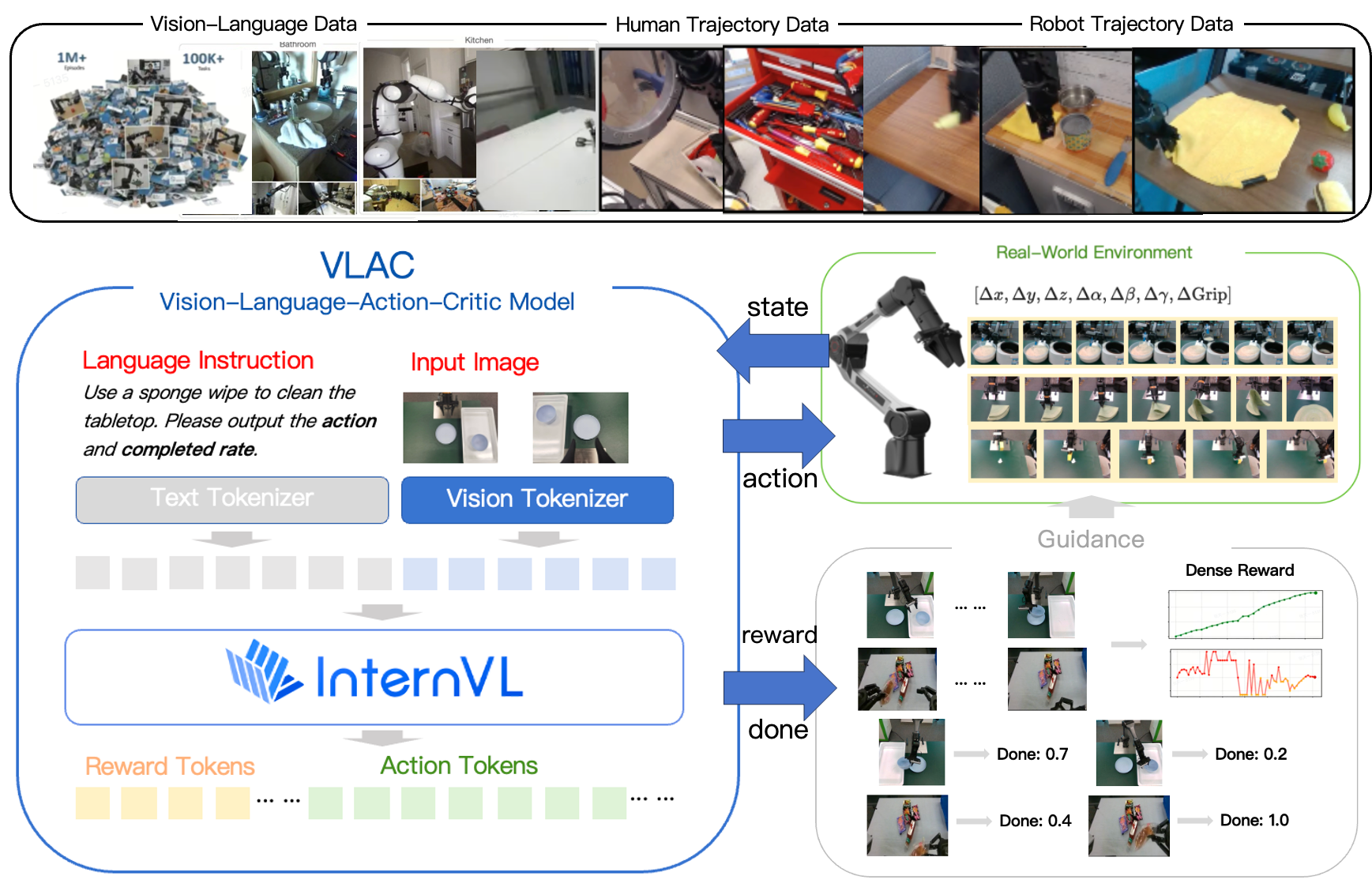
VLAC Guide: Train VLA with a Critic to Reach 90% in 200 Episodes
VLAC integrates a learned critic into the real-world RL loop, lifting success rate from 30% to 90% in just 200 episodes — no reward engineering required.

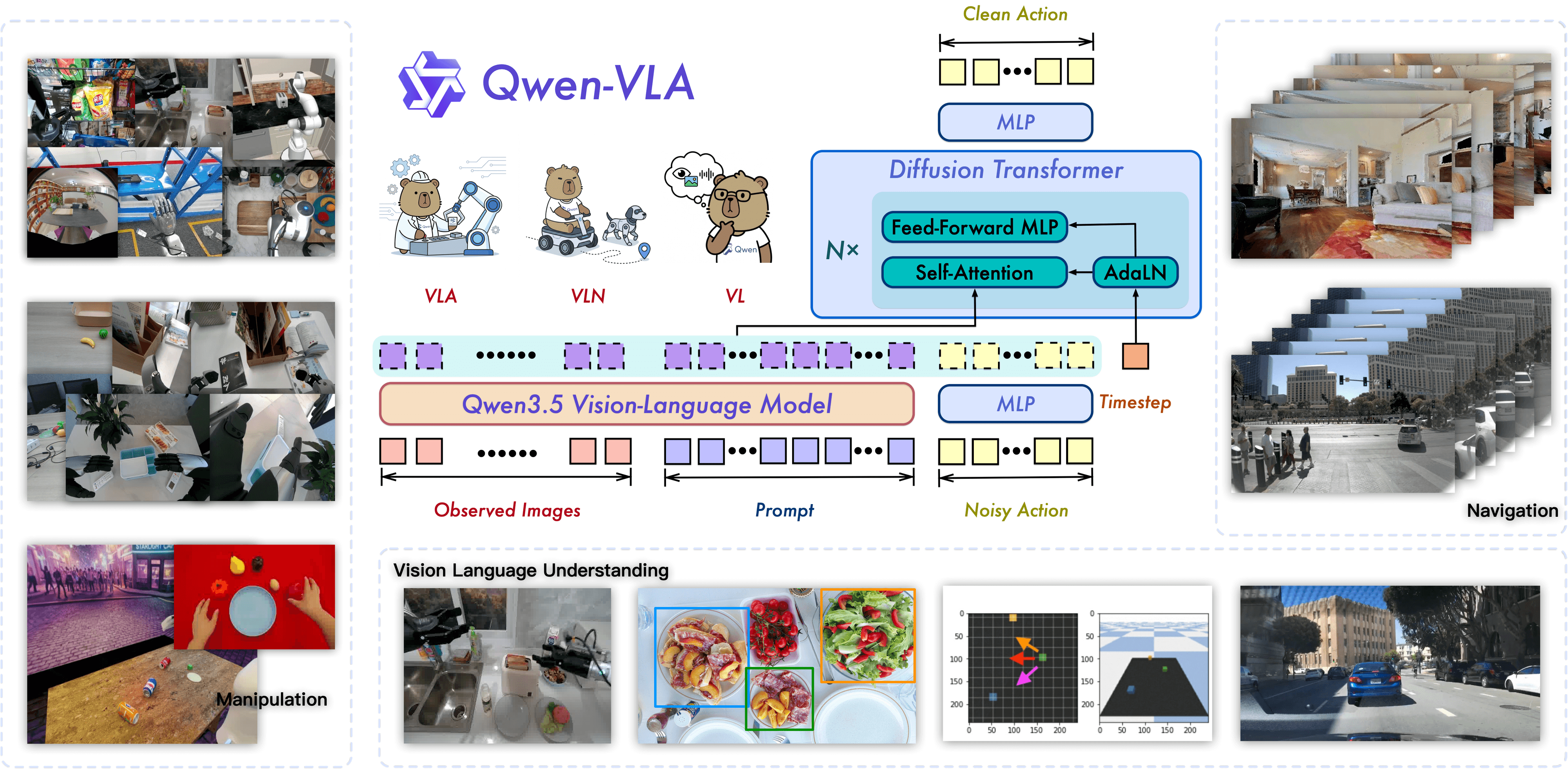
Qwen-VLA: Train Multi-Task Robot Manipulation on LIBERO to 97.9%
Technical guide to Qwen-VLA from Alibaba: Qwen3.5-4B + DiT decoder architecture, 4-stage training pipeline, 97.9% on LIBERO, beating pi0.5 on real-world ALOHA.

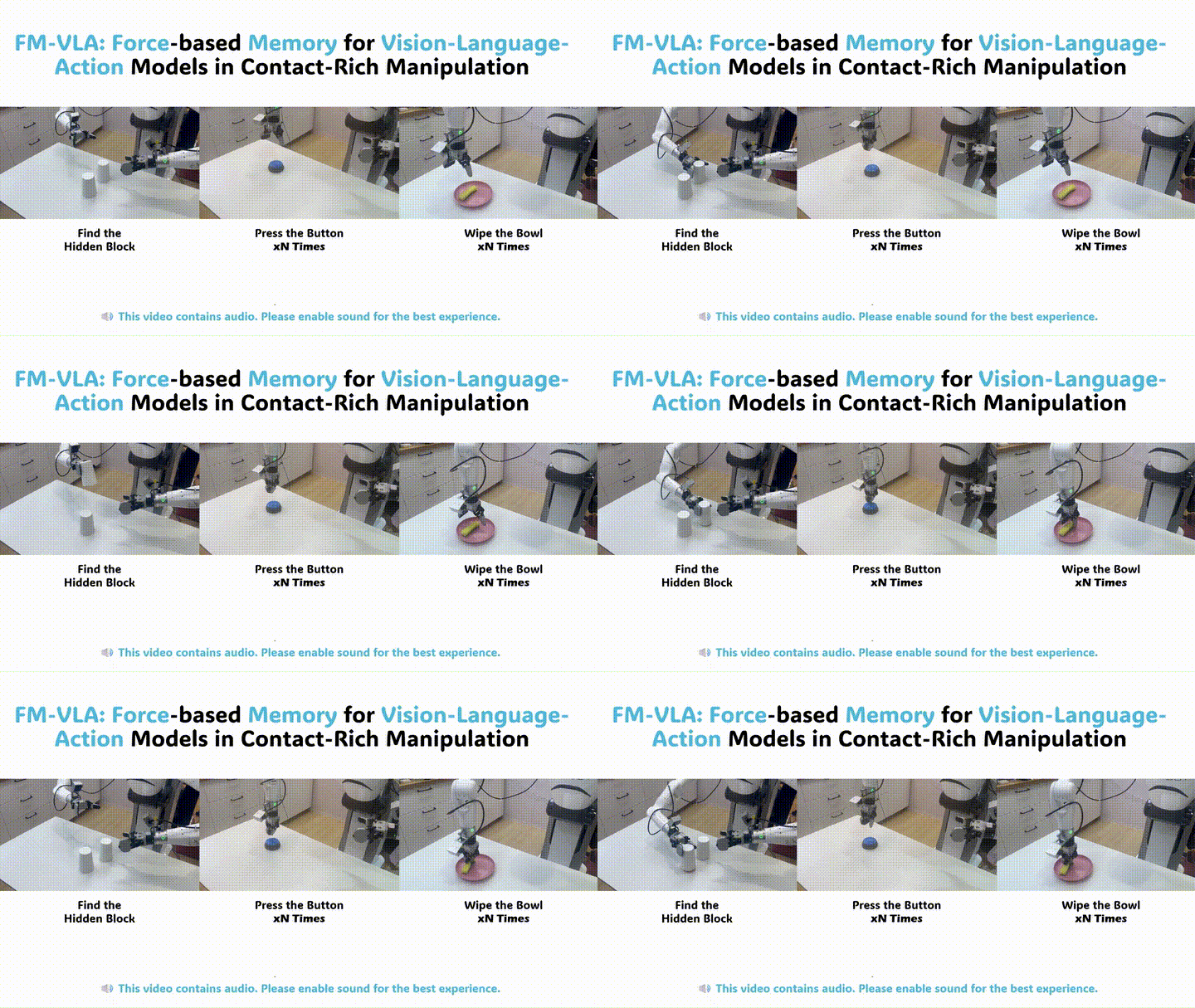
FM-VLA: Force Memory Teaches VLA Contact-Rich >80%
FM-VLA uses a Variational Autoencoder to compress force-sensor history into 8 memory tokens, enabling robots to press buttons the right number of times, wipe dishes, and find hidden objects — achieving 83.3% success with only 3.3ms overhead.

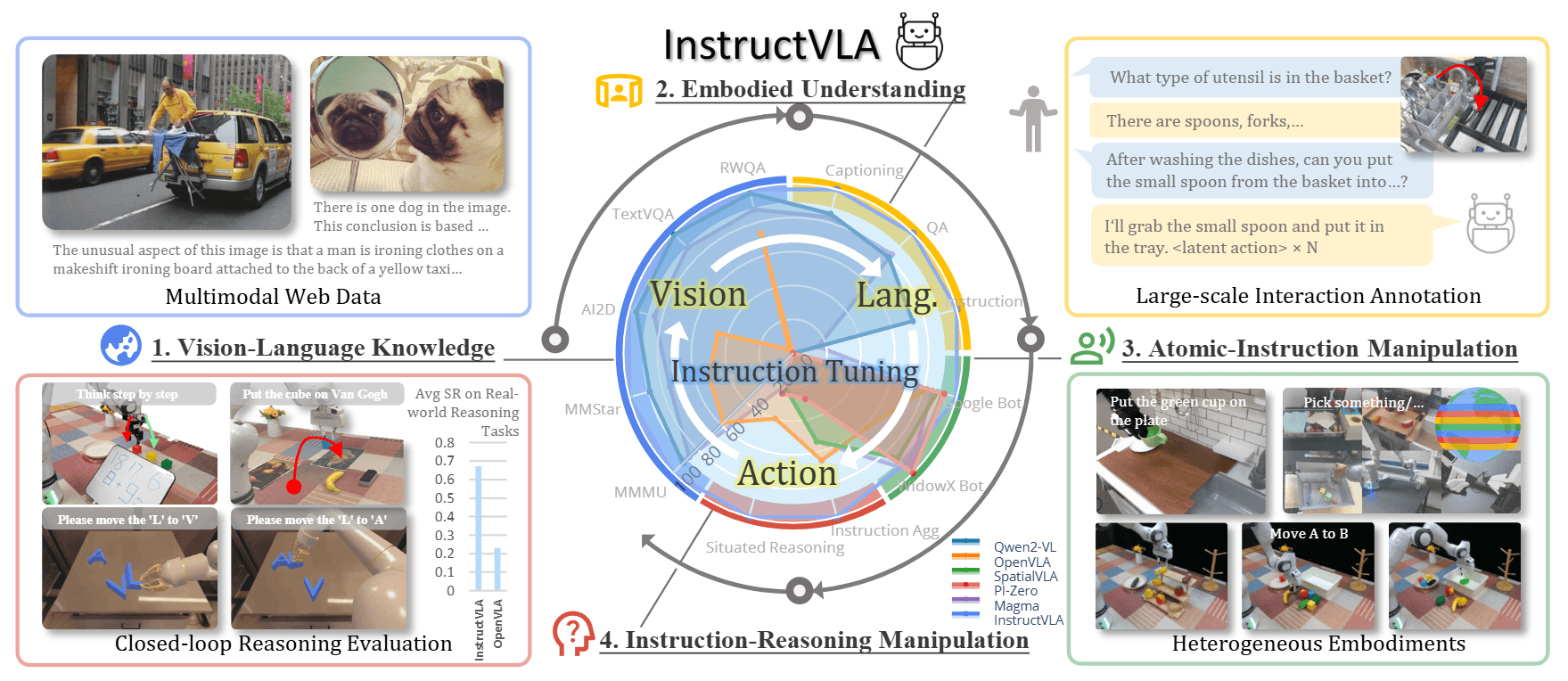
InstructVLA: VLA Instruction Tuning Beats OpenVLA by 96%
ICLR 2026: InstructVLA uses VLA-IT with MoE LoRA to train manipulation policies that understand complex instructions, achieving +96% over OpenVLA on the 80-task SimplerEnv-Instruct benchmark.

LaST-R1: Fine-tune VLA with Latent CoT and RL for 99.8%
Step-by-step guide to LaST-R1 — a framework combining Latent Chain-of-Thought reasoning with LAPO (RL) to fine-tune VLA models to 99.8% success on LIBERO with just 1 demo/task.

UniTacVLA: Tactile Chain-of-Thought for Contact-Rich Manipulation
UniTacVLA integrates tactile chain-of-thought reasoning and coarse-to-fine prediction into VLA for contact-rich manipulation — ECCV 2026 with open-source code.

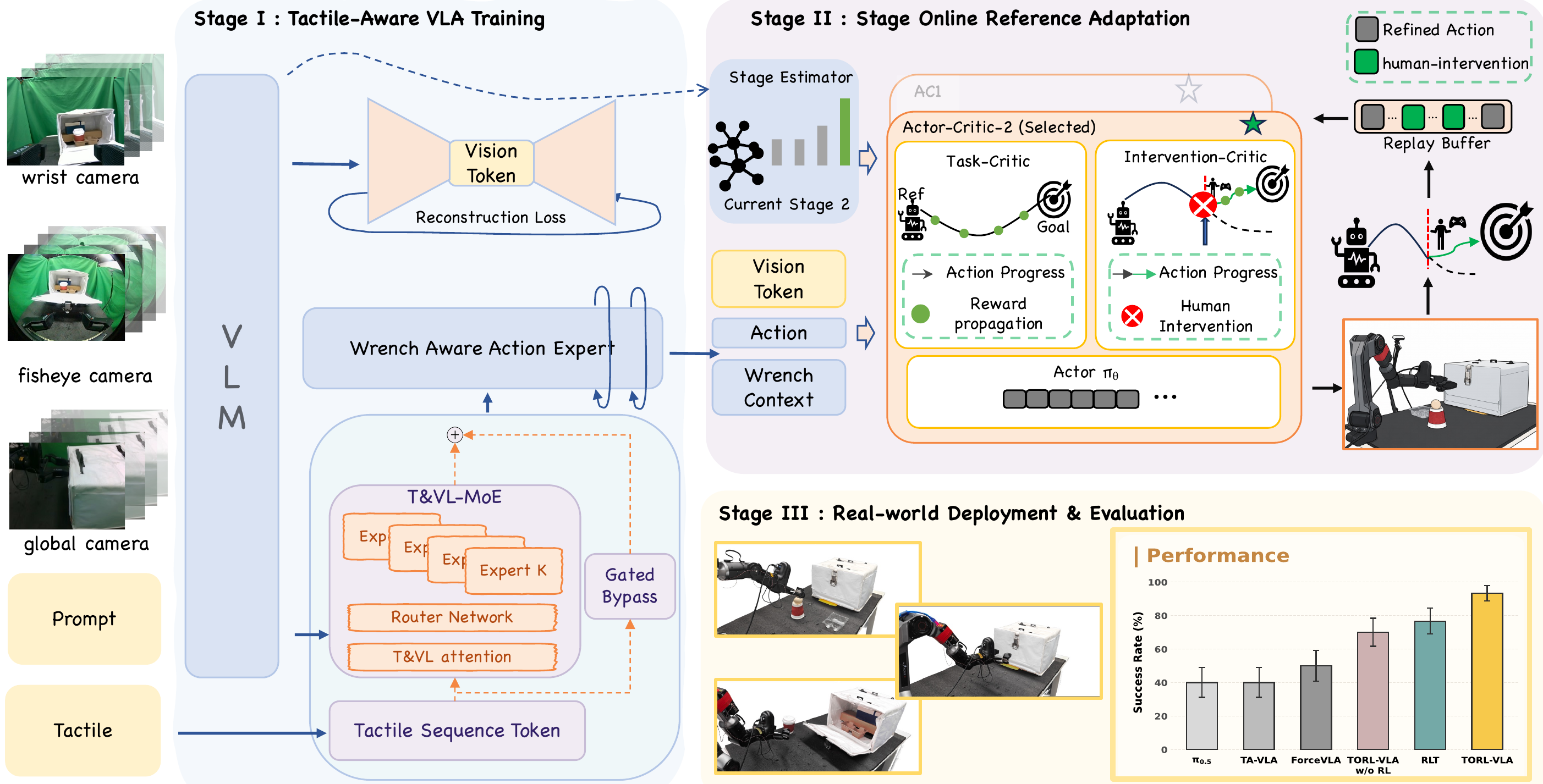
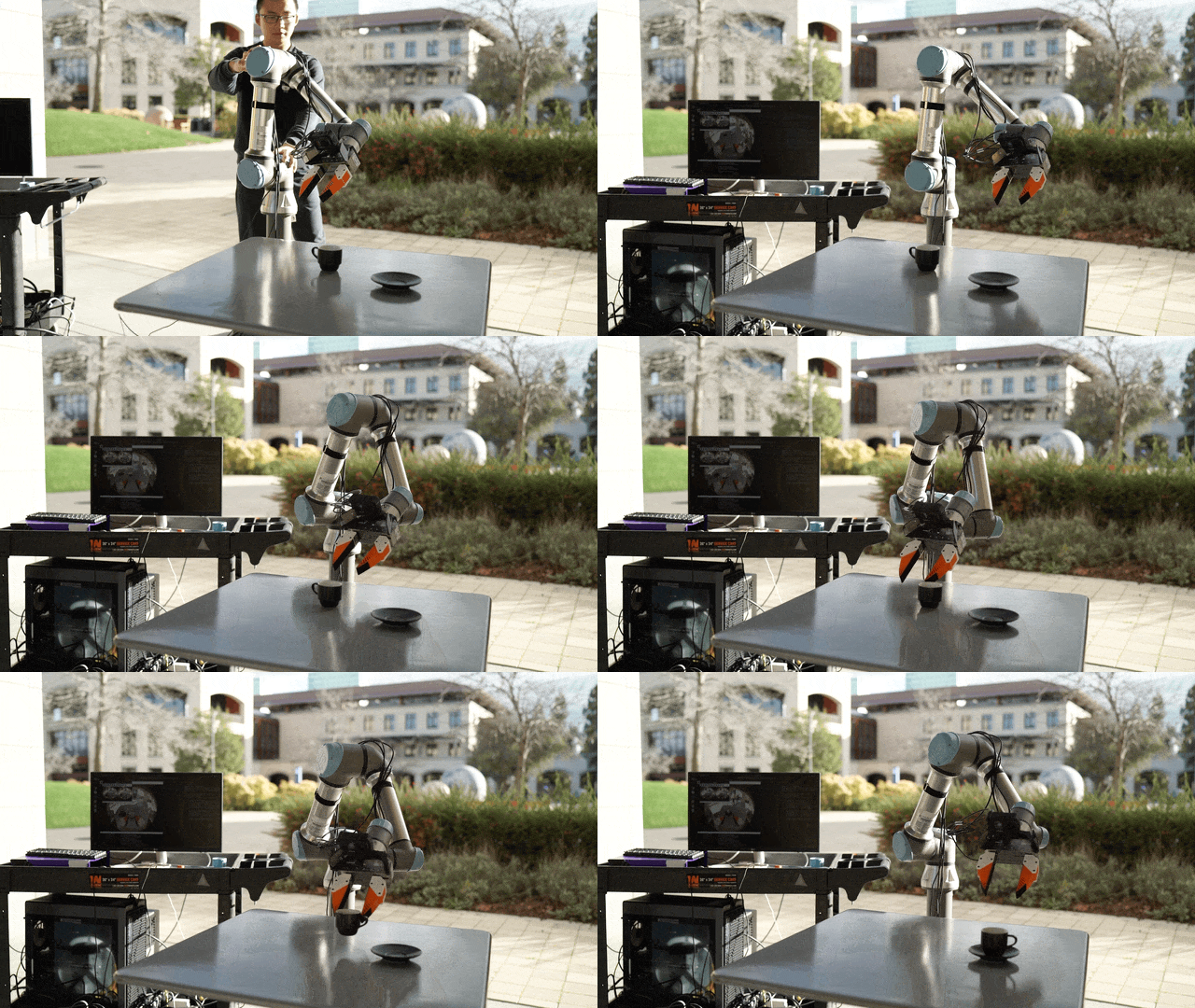
TORL-VLA: Fine-tune VLA with Tactile Sensing and Online RL
A technical guide to TORL-VLA — a framework combining tactile sensors and Online RL to fine-tune VLA models for high-precision contact-rich manipulation: latch, egg, coffee cup tasks.

Sim-to-Real Deploy: Moving the SAP Pipeline from LIBERO to Physical Robots | AI Manipulation Agents #5
From 79.6% on LIBERO benchmark to physical robot deployment: calibrate camera-to-robot transforms, handle domain gap with real-world augmentation, and deploy the SAP pipeline on Franka/UR5 with latency under 100ms.

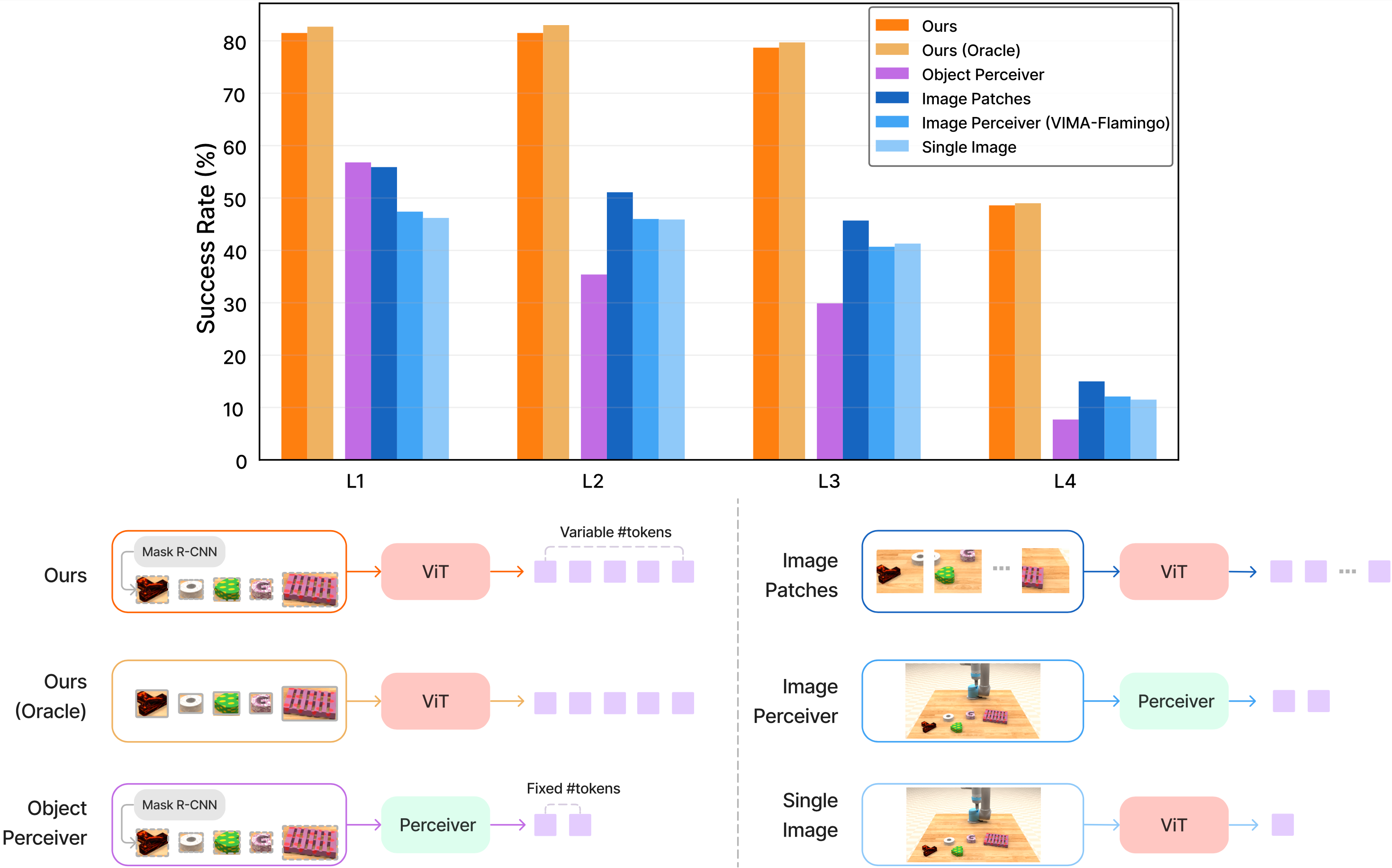
Object Tokenizer: From Raw Pixels to Object Tokens with Mask R-CNN + ViT
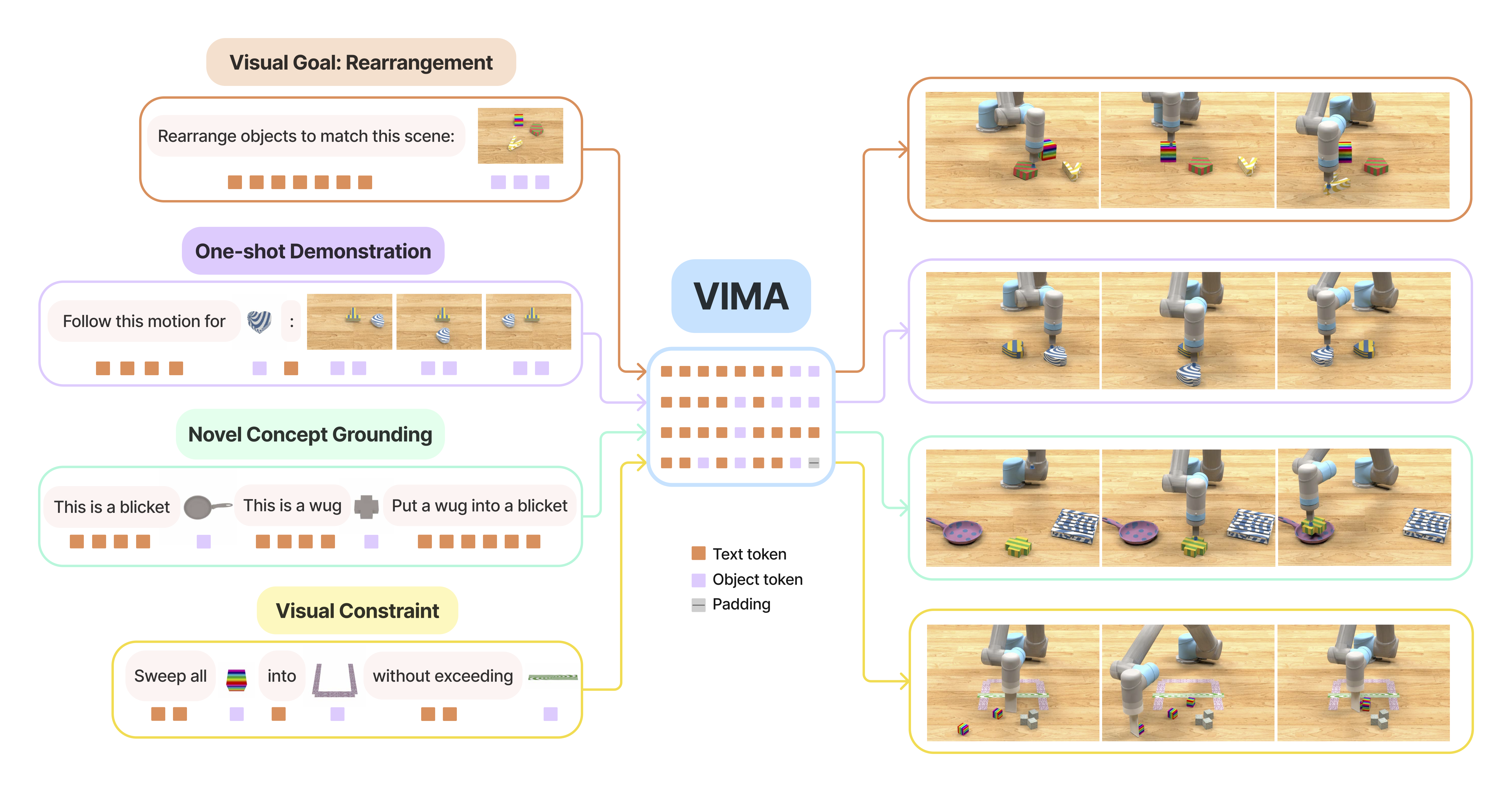
A deep dive into VIMA's object tokenizer: Mask R-CNN objects, ViT crop features, bbox MLP position signals, and T5 prompt assembly.

Dataset 650K: Collecting Large-Scale Multi-Task Manipulation Data for VIMA
Deep dive into VIMA's 650K trajectory dataset: procedural generation in PyBullet, pkl file format, HuggingFace download, and why just 1% of the data beats all baselines.

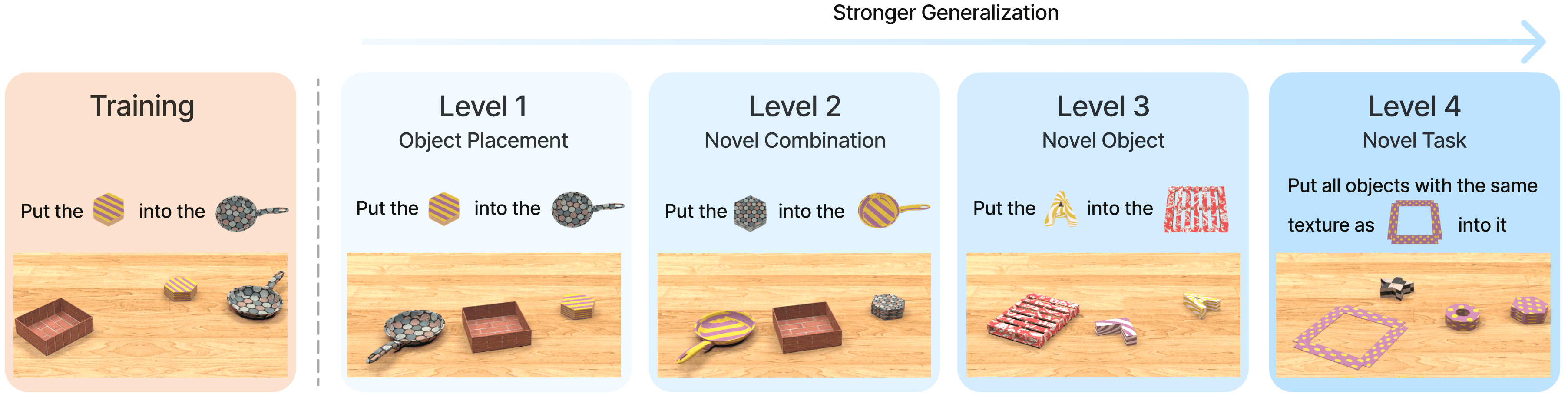
VimaBench: 17 Tasks and 4-Level Generalization Protocol
Install VimaBench, run the 200M checkpoint demo, and analyze all 4 eval partitions — from placement to novel task generalization. Which level matters most for humanoid deployment?

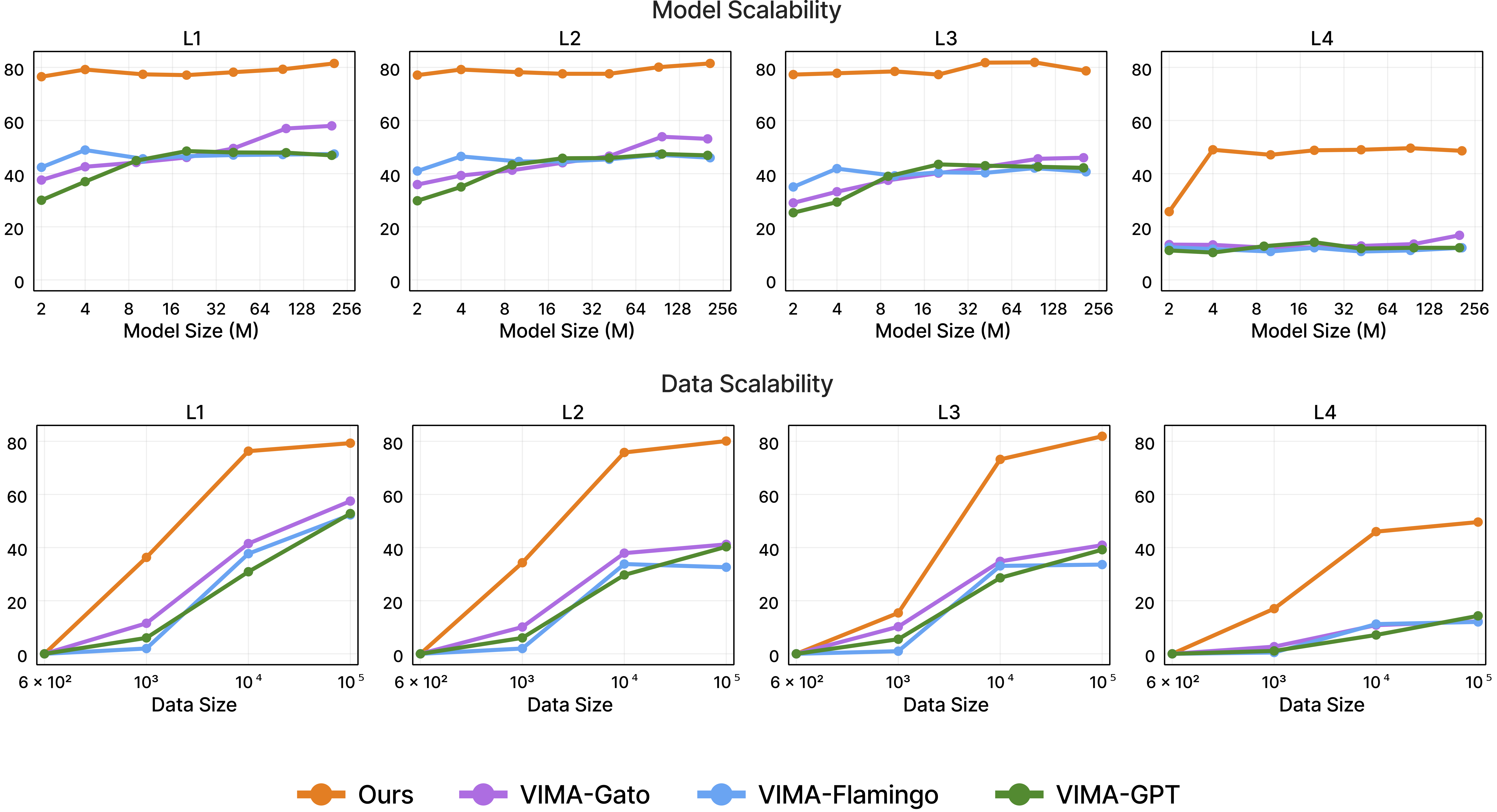
VIMA Architecture: Cross-Attention Transformer Explained
Decode VIMA's cross-attention architecture: how T5 encodes multimodal prompts and XAttn GPT generates motor commands for 17 robot manipulation tasks.

Dexora: Open-Source VLA for Bimanual Dexterous Robots
Discover Dexora — the first open-source VLA built for 36-DoF dual-arm, dual-hand manipulation, combining an exoskeleton backpack with Apple Vision Pro to achieve 66.7% success on dexterous tasks.

Why Multi-Agent Pipelines Beat Single VLA Models | AI Manipulation Agents #1
ManiAgent hits 86.8% on SimplerEnv vs pi0 55.7% and CogACT 51.3% — with zero robot fine-tuning. A deep-dive into the 3-agent architecture and why decomposition beats end-to-end.

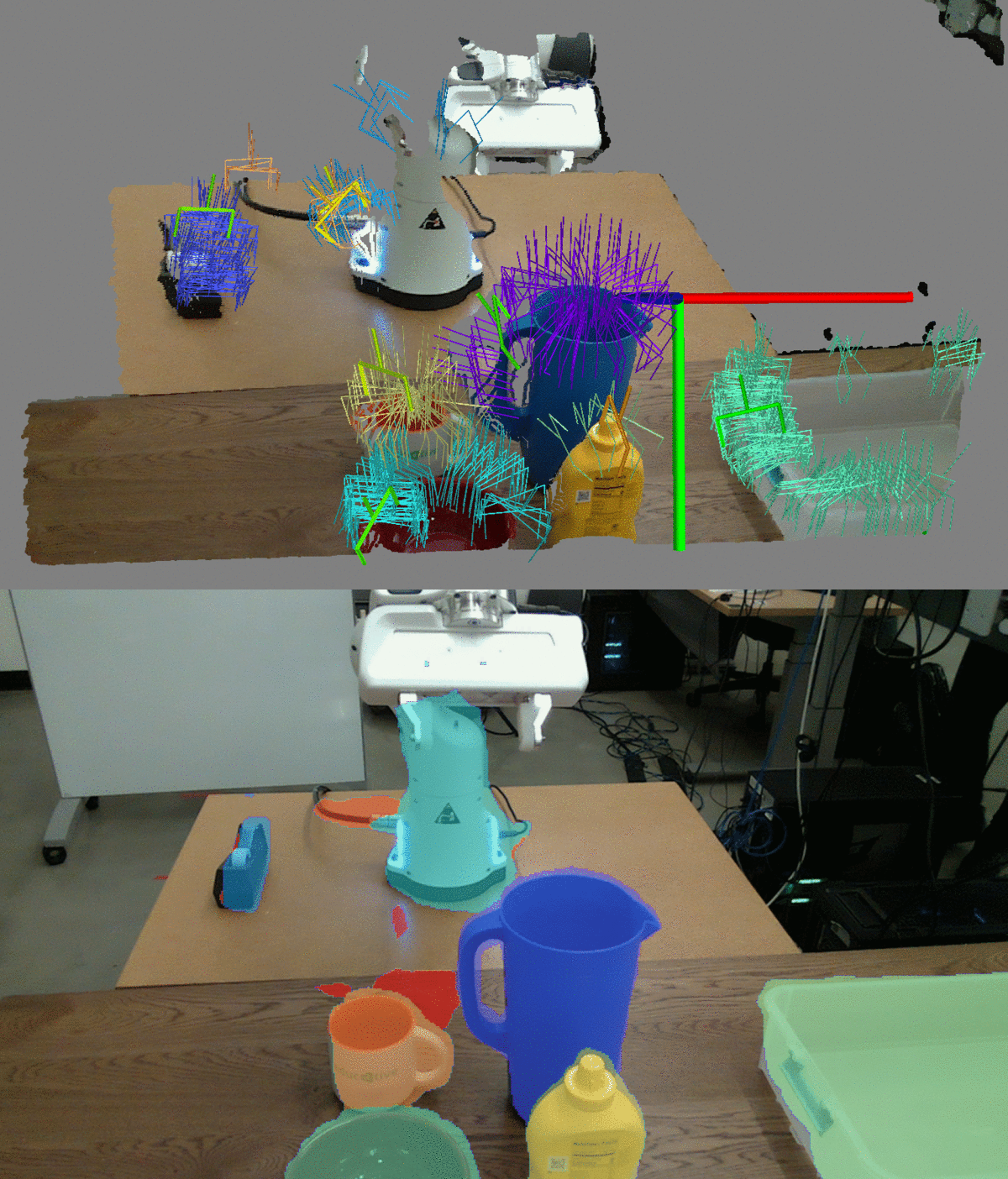
Perception Agent: Florence-v2 + AnyGrasp | AI Manipulation Agents #2
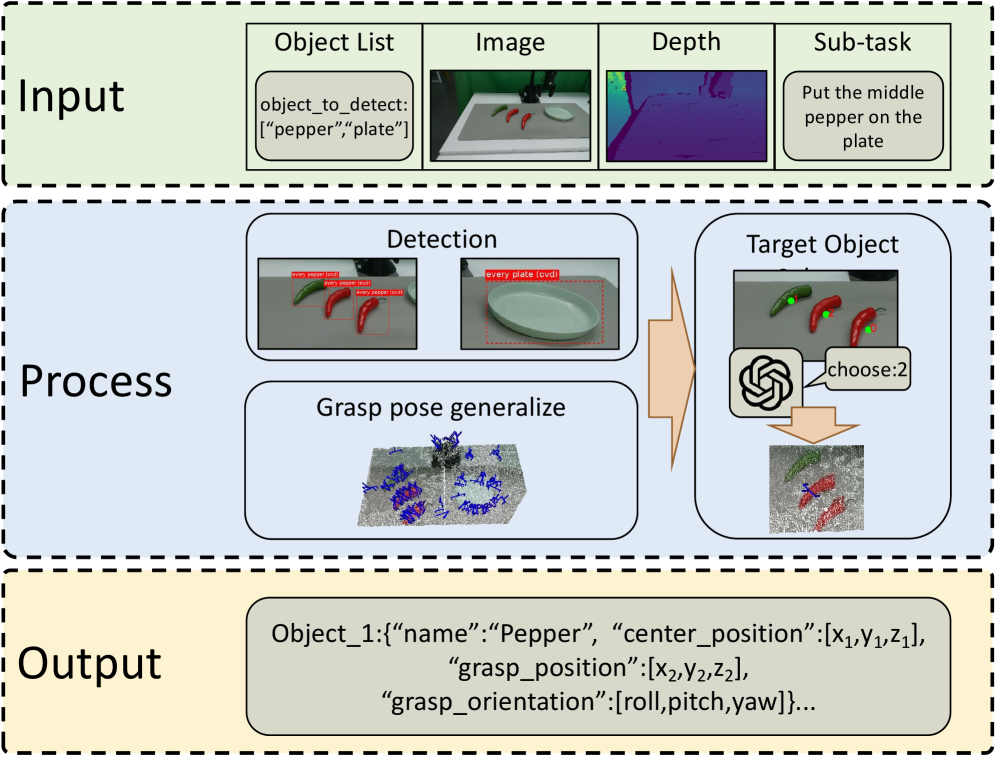
Deep dive into ManiAgent's Perception Agent: Florence-v2 for zero-shot open-vocabulary object detection and AnyGrasp for 6-DoF grasp pose generation from point clouds. Build a complete Python perception module.

ALRM: Code-as-Policy vs Tool-as-Policy in ReAct | AI Manipulation Agents #3
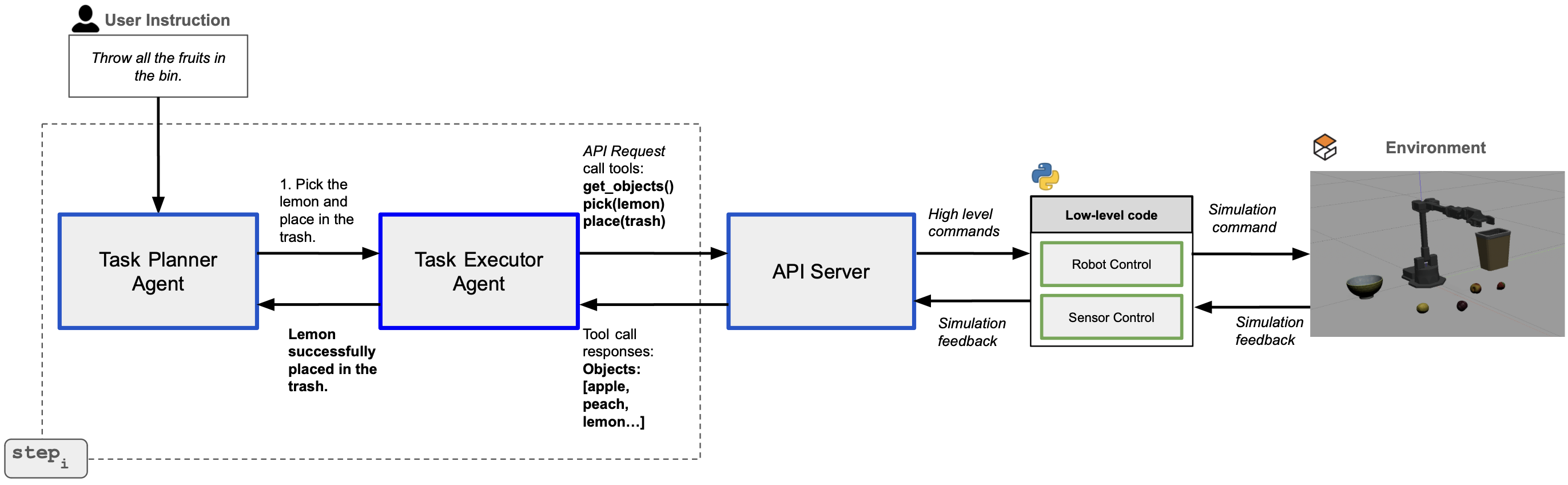
Comparing ALRM's two execution modes: CaP generates Python to call robot APIs in one pass, TaP uses ReAct to loop per tool call. Benchmark across 56 tasks and 10 LLMs to help you pick the right mode.

Agentic Robot: SAP Protocol & Temporal Verifier
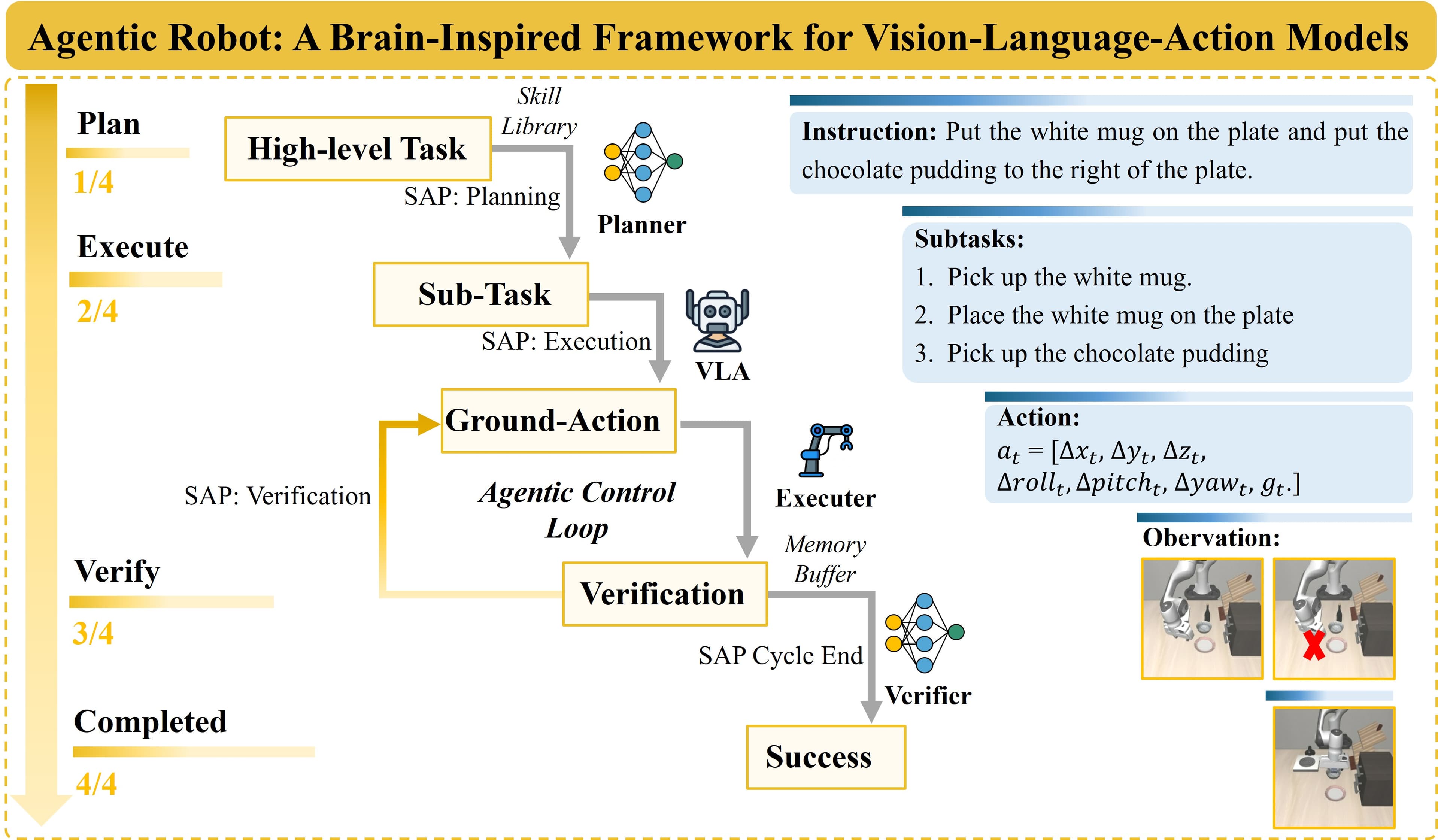
Run ds.py (DeepSeek-V3 subgoal decomposition) and main.py (OpenVLA on LIBERO). Implement a Temporal Verifier sliding window — SAP protocol achieving 79.6% LIBERO avg.

A 3D Manipulation Roadmap for the Unitree G1 Humanoid
The capstone: combine Robo3R, DP3, Omni-Manip, and WholeBodyVLA into a concrete deployment pipeline for the Unitree G1 — from sensor placement, policy choice, and data strategy to a sim2real checklist.

How to Implement MoveJ for Robot Arms
Build MoveJ from scratch: joint-space interpolation, synchronized arrival, velocity and acceleration limits, Python prototype, and C++ playback.

How to Implement MoveL: Cartesian Linear Motion with IK
Implement MoveL from scratch: linear TCP waypoints, quaternion SLERP, IK at every pose, and straightness verification.

Executing Trajectories with ROS2 Control and UR RTDE
Capstone article: deploy your controller on a real UR robot via ros2_control, joint_trajectory_controller and ur_rtde C++ with full tracking-error logging.

Setting Up a C++ Robot Controller Project with CMake
Build a reusable C++/CMake/Eigen skeleton with GoogleTest and a Python robotics environment for the rest of the series.

Robot Arm Model: Joints, Links, URDF, DH and SE(3)
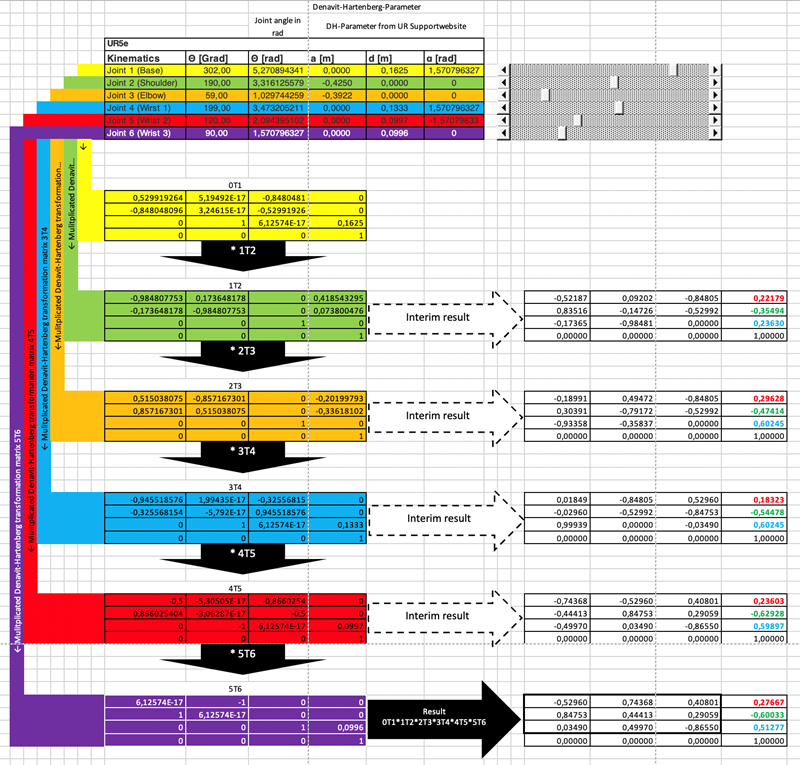
Fill a UR5 DH table by hand, build a NumPy/C++ Eigen model, then cross-check with Robotics Toolbox and Pinocchio URDF.

Forward Kinematics from Scratch: DH to SE(3) in C++
Compute UR5 FK from DH by hand, implement NumPy/C++ Eigen from scratch, then verify with GoogleTest, RTB and Pinocchio.

Inverse Kinematics for 6-DOF Arms: Analytical vs Numerical
Derive UR5 IK by hand, then build numerical IK in Python and C++ with Jacobian pseudo-inverse, DLS and joint-limit handling.

Jacobian-Based Control and Singularity Avoidance
Derive the UR5 Jacobian, detect singularities with SVD, and build safe resolved-rate control in Python and C++.
Robot Coordinate Frames: Base, Tool, User and TCP
A practical guide to base/tool/user/object frames, 6-DOF TCP offsets, and SE(3) pose composition in Python and C++.

Classical Robot Arm Control: The Complete Roadmap
A beginner roadmap to industrial arm controllers: MoveJ/MoveL, planners, trajectories, servo loops, C++/Python, and 2026 libraries.

MoveC and MoveP: Circular and Process Path Motion
Build MoveC through three points and MoveP through many via points with steady TCP speed, blend radius, Python, and C++ Eigen.

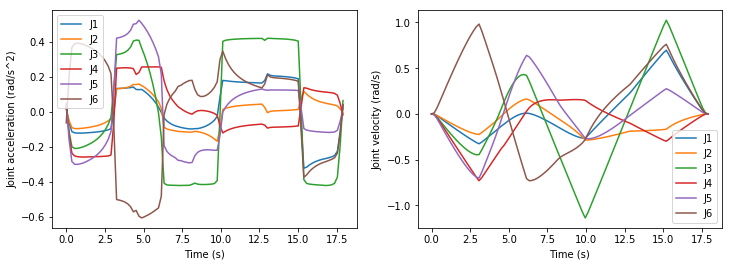
Trapezoidal vs S-Curve Trajectory Profiles
Time-scaling for robot arms: trapezoid, S-curve, velocity/acceleration/jerk limits, Python prototype and C++ classes.

Waypoint Blending and Corner Smoothing for Robot Arms
Learn blend radius, path deviation, why hard stops are slow, and build Python/C++ prototypes for smooth multi-waypoint arm motion.

Robot Arm Jogging and Servoing with MoveIt Servo
Complete guide to MoveIt Servo on ROS 2: joint jog, Cartesian twist jog, real-time pose tracking, singularity/collision/joint-limit safety, C++ API and Python keyboard teleop.

DP3: Point-Cloud 3D Diffusion Policy Hands-On
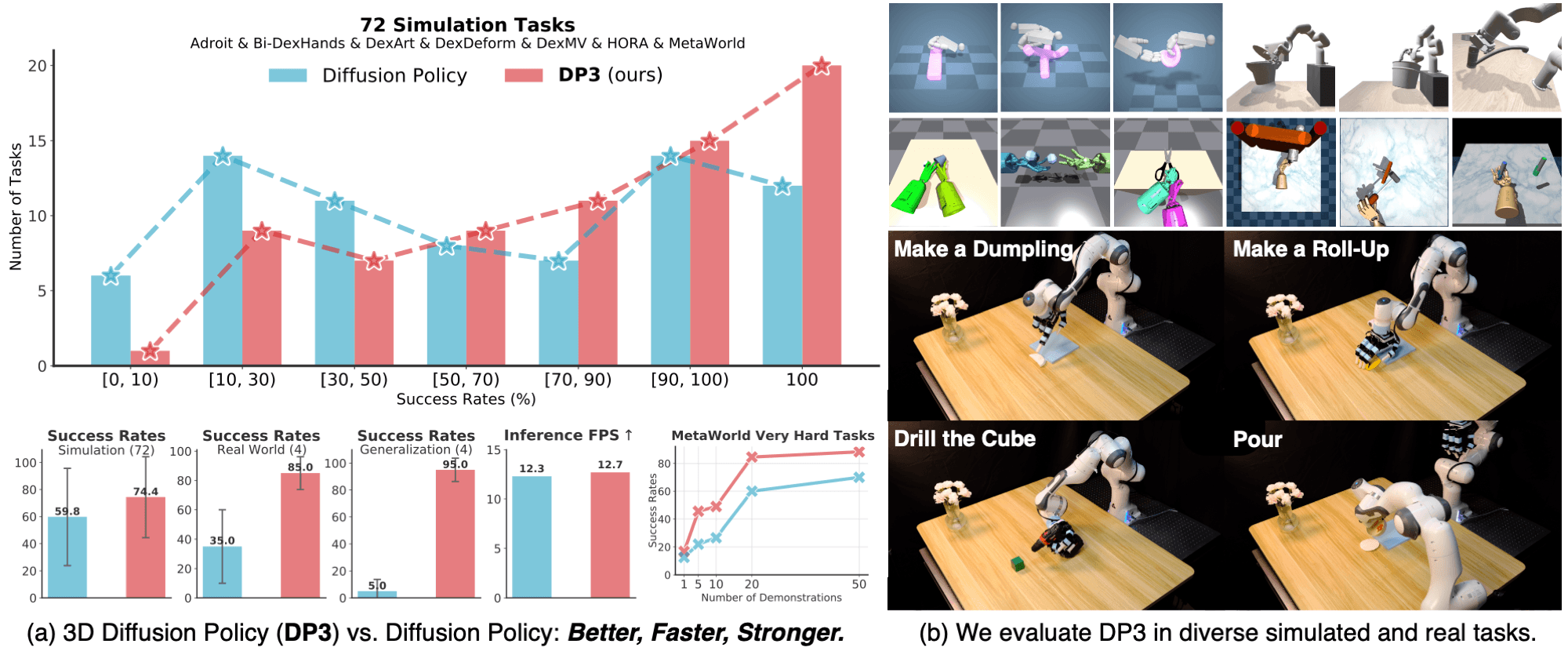
DP3 turns a point cloud into a direct input for a diffusion policy — 24.2% relative improvement across 72 tasks, 85% success on real robots. Hands-on: install, train, eval from the YanjieZe/3D-Diffusion-Policy repo.
Scene mapping for cuRobo: depth cameras, TSDF/ESDF, and obstacle snapshots
Bringing the real world into cuRobo planning with cuboids first, depth later, timestamp discipline, filtering, TSDF/ESDF, and immutable scene snapshots.
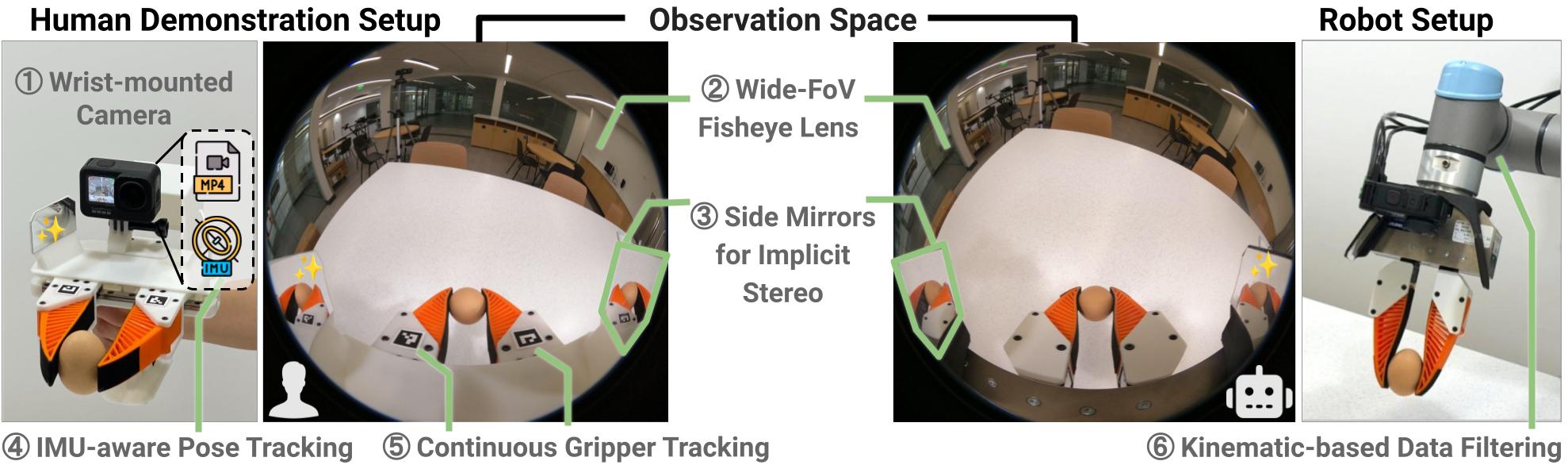
Upgrading to D405: when to replace GoPro in UMI and how
Practical guide for deciding when to upgrade from GoPro UMI to RealSense D405: what D405 brings, what you must build yourself, and the right architecture to avoid losing data quality.

Build RUKA-v2: Open-Source Robot Hand
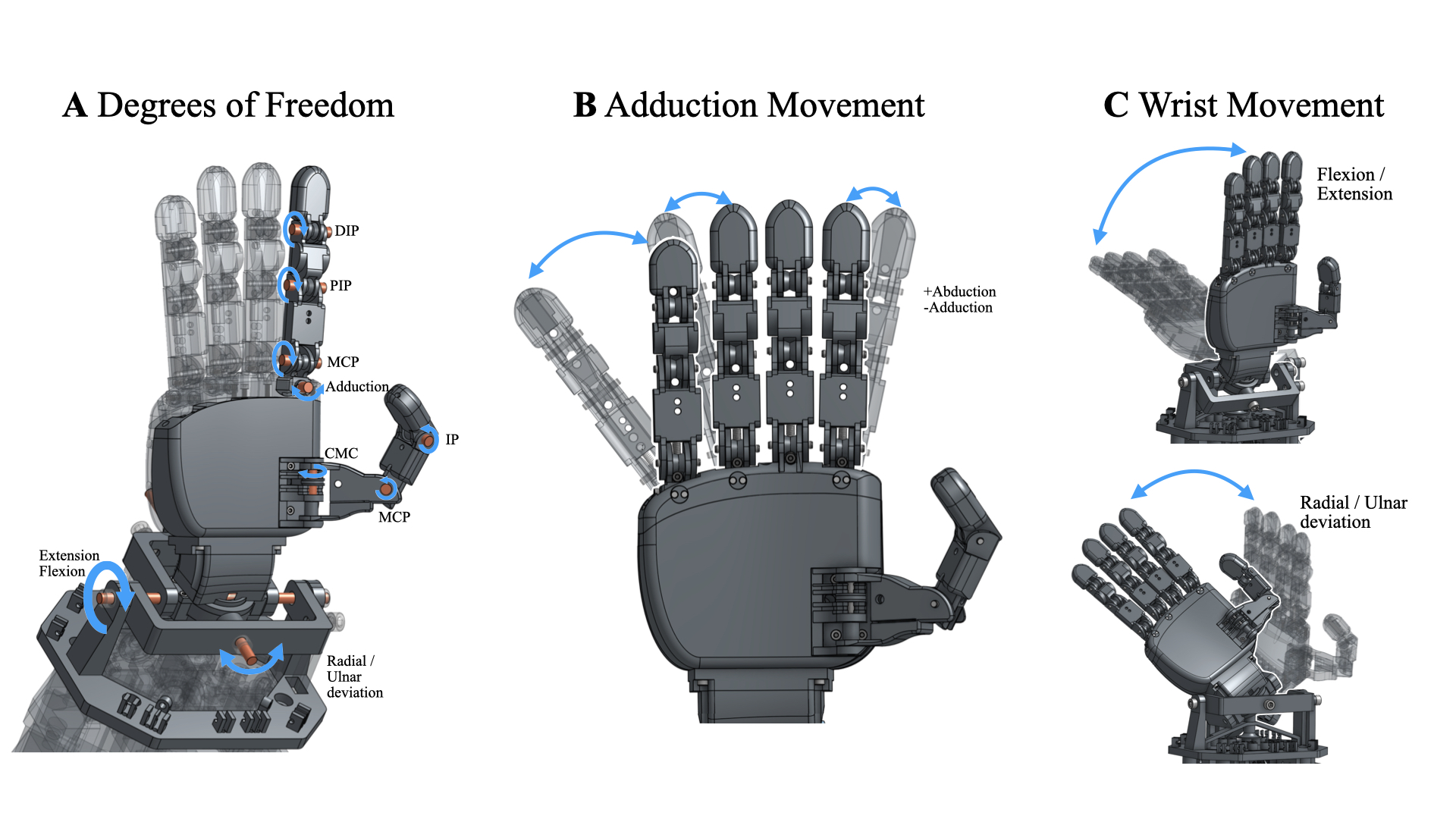
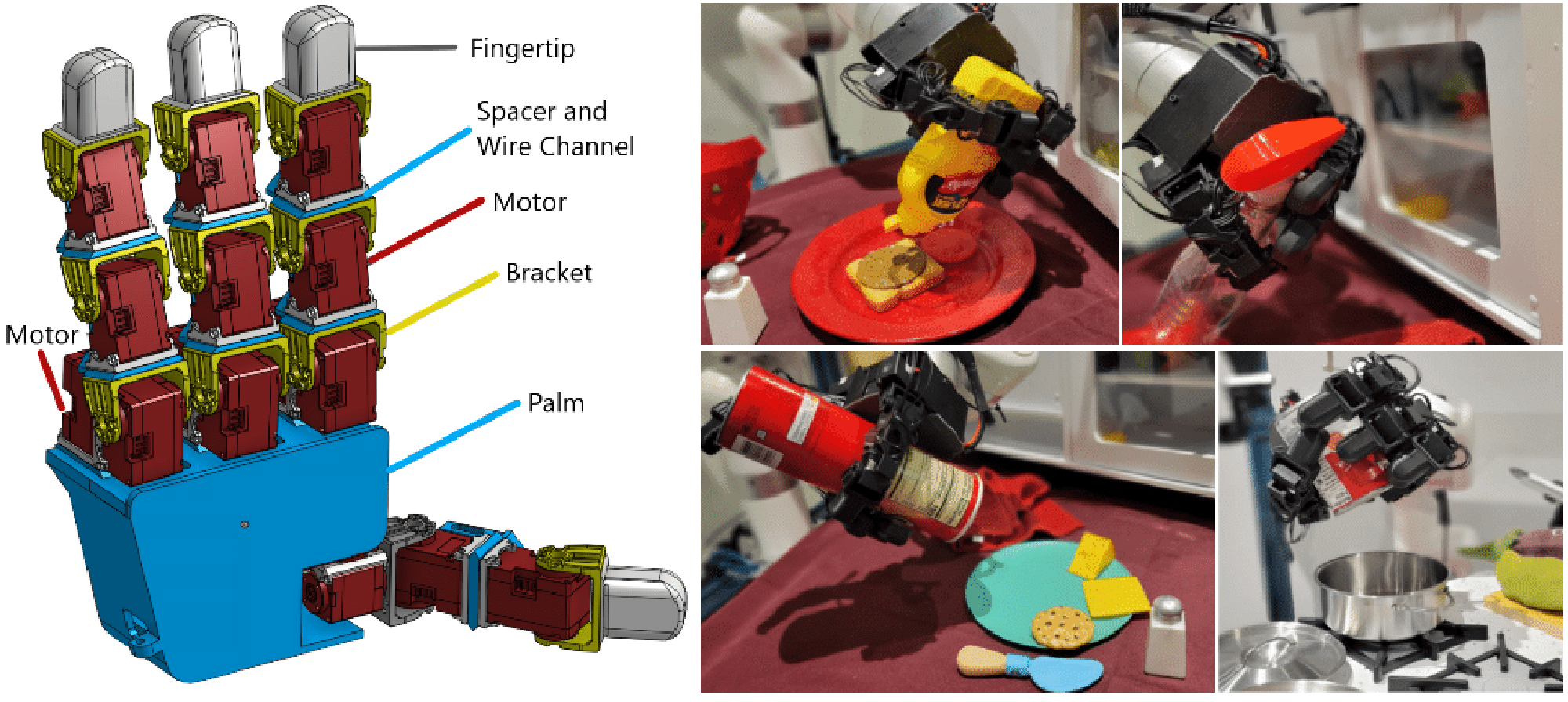
A beginner-friendly guide to building RUKA-v2, a tendon-driven open-source robot hand for dexterous manipulation and policy learning.

AffordanceVLA: VLA with affordances
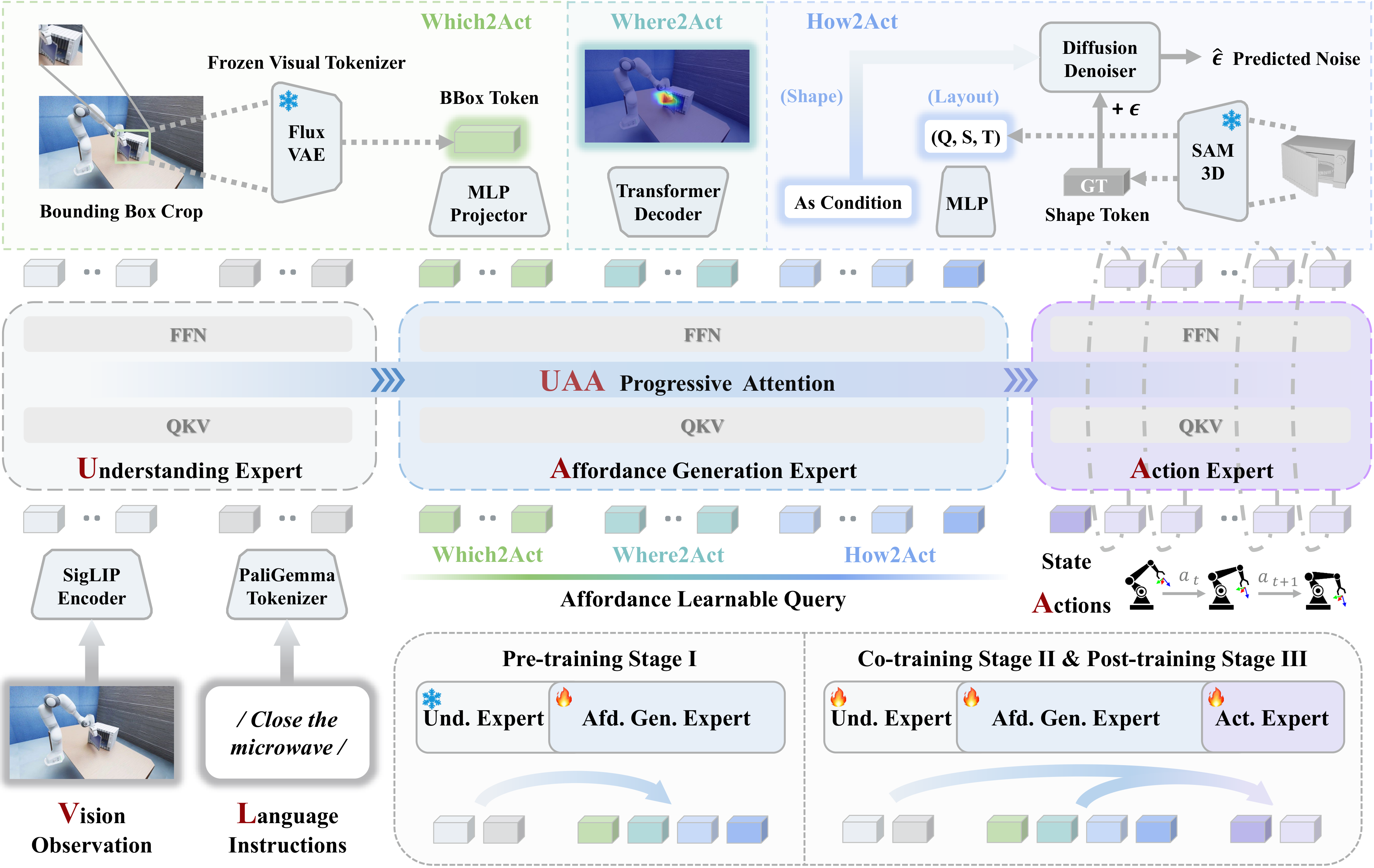
A beginner-friendly guide to AffordanceVLA: paper idea, Which2Act/Where2Act/How2Act architecture, GitHub setup, training, inference, and results.

Go bimanual: UMI two-arm pipeline with official scripts
Scale UMI to bimanual: build 2 units, record two-arm demos, use the official demo_real_bimanual_robots.py and eval_real_bimanual_umi.py, train with umi_bimanual config. Concrete, step-by-step, no guesswork.

Run OpenEAI-VLA Pretrained with Qwen3-VL
A practical guide to installing, running, fine-tuning, and deploying OpenEAI-VLA, an open Qwen3-VL-4B VLA for low-cost robot arms.

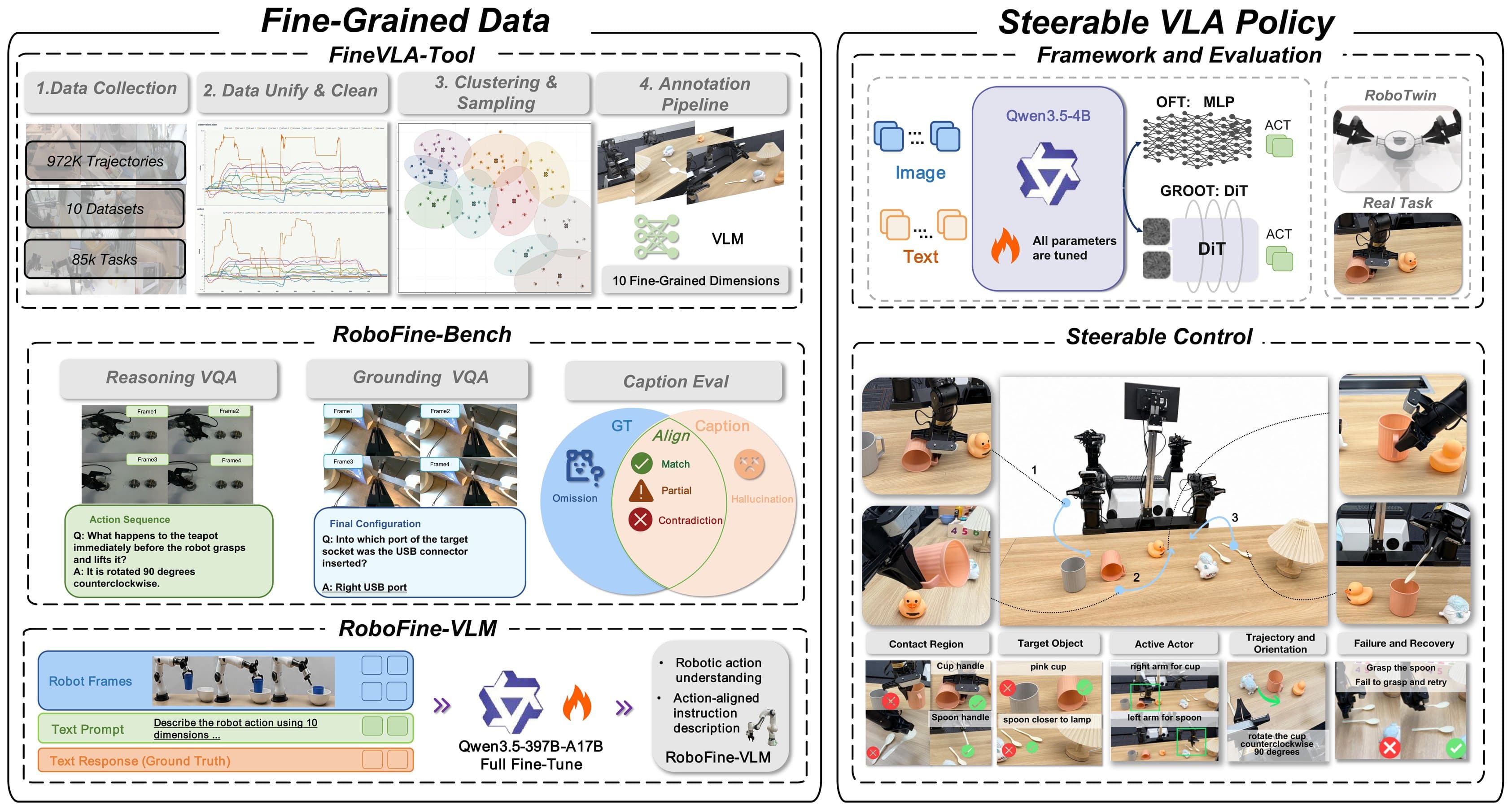
Run FineVLA for Dual-Arm Robots
A practical FineVLA guide covering the paper idea, architecture, installation, training, inference, and results.
A ROS 2 bridge for cuRobo on Jetson: from goal pose to JointTrajectory
Designing a ROS 2 wrapper around cuRobo with actions, lifecycle warmup, joint-state reordering, retiming, controller execution, and watchdogs.

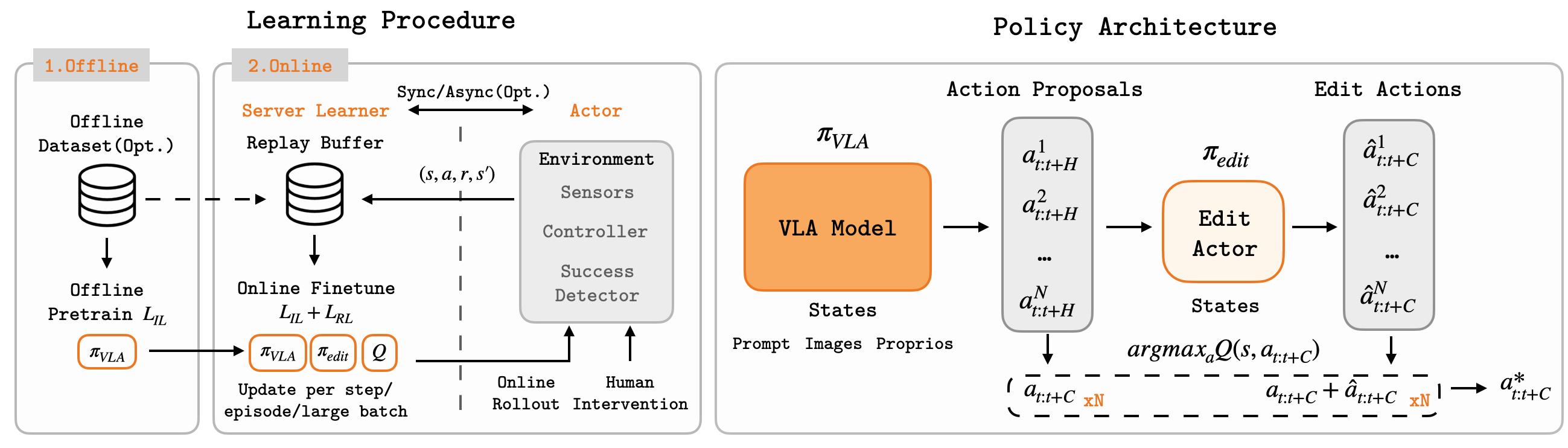
EXPO-FT: Online RL for π0.5 VLA
A practical guide to open-source EXPO-FT: fine-tuning π0.5 VLA with online RL in 19.1 minutes of robot data.

Train your first UMI Diffusion Policy and test on a real robot arm
Train Diffusion Policy from UMI's replay_buffer.zarr.zip, understand training metrics, and deploy the policy to a real robot arm using eval_real_umi.py — with verified official configs.
Motion planning and grasping with cuRobo: obstacles, seeds, and trajectories
Running pose-to-pose planning, obstacle collision, warmup, grasp approach-lift, and planner tuning for robot arms on Jetson.

Collect single-arm UMI demos and run the official SLAM pipeline
Step-by-step guide to recording UMI single-arm demos, running all 8 official SLAM pipeline scripts (00–07), checking data quality, and exporting replay_buffer.zarr.zip for policy training.

Build your first UMI gripper: 3D printing, assembly, and GoPro smoke test
Step-by-step guide to 3D printing and assembling a UMI handheld unit with GoPro — the verified path from the Stanford repo. Full BOM, print settings, and how to test before collecting your first demo.
FK and IK in cuRobo: checking frames, quaternions, and joint order
A practical validation guide for forward kinematics, inverse kinematics, wxyz quaternions, joint order, and frame mistakes before real robot planning.
What is UMI? How to collect VLA robot data without teleop
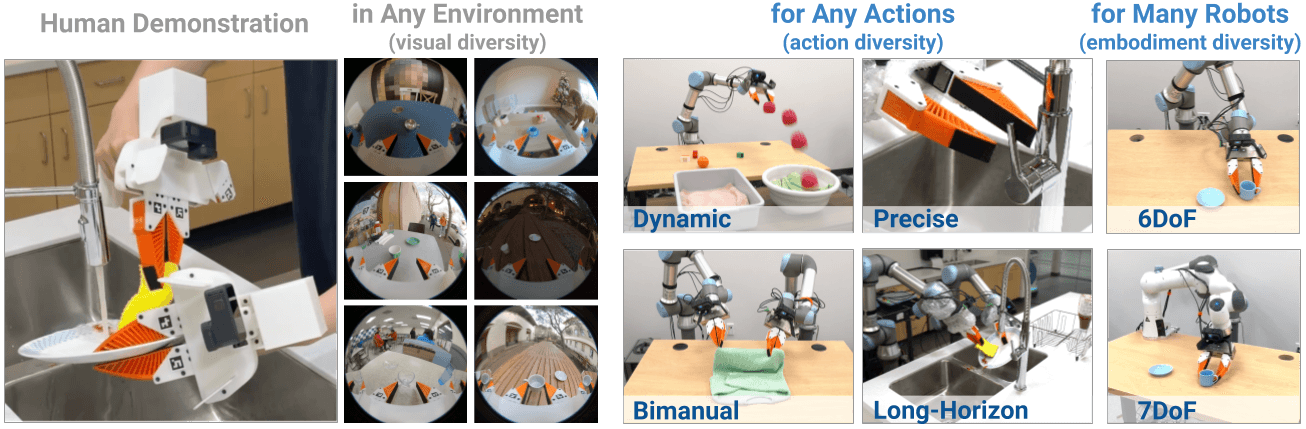
Understand the core idea behind Universal Manipulation Interface: why decoupling data collection from the robot is the key breakthrough for scaling imitation learning in manipulation.
Building a cuRobo robot model: URDF, collision spheres, and self-collision
How to convert a robot arm URDF into a usable cuRobo config with mesh paths, sphere fitting, self-collision ignores, clipping, and pass/fail criteria.
Installing cuRoboV2 on Jetson AGX Orin 64GB: environment, CUDA, and smoke tests
A reproducible Jetson setup for cuRoboV2 with JetPack, uv, Python 3.11, CUDA 12.x, PyTorch, and deployment-focused checks.

Multitask DiT Policy on LeRobot v0.5: One Model, Many Tasks
Hands-on guide to LeRobot v0.5 Multitask DiT Policy: one model for many tasks, CLIP text-conditioning, open-source on HuggingFace, deployed on SO-100/SO-101.
cuRobo on Jetson AGX Orin 64GB and Unitree G1: a 10-part roadmap
The opening guide for using cuRoboV2 on robot arms and Unitree G1, from Jetson runtime architecture to whole-body deployment boundaries.

SO-101 Sim-to-Real Training: Isaac Lab & LeRobot Guide
Step-by-step guide to train SO-101 robot arm in NVIDIA Isaac Lab, collect teleop data, fine-tune GR00T N1.5, and deploy the policy on real hardware.

RoboTwin 2.0: Complete Guide to Dual-Arm Manipulation Data
A comprehensive guide to RoboTwin 2.0 — the scalable synthetic data framework for bimanual robots, featuring MLLM code generation and strong domain randomization.

Task Planning for Manipulation on Jetson Edge
Deploy task planning for robot manipulation on NVIDIA Jetson AGX Orin 64GB — from cuTAMP and cuMotion to VLM inference at the edge.
Multi-Step Manipulation: Curriculum Learning for Long-Horizon Tasks
Solving long-horizon manipulation with RL — curriculum learning, hierarchical RL, skill chaining, and IKEA furniture assembly benchmarks.
Tool Use: Teaching Robots to Use Tools with RL
Teach robots to use tools with RL — affordance learning, two-phase grasp-then-use, and screwdriver insertion in MuJoCo.

Contact-Rich Manipulation: Assembly, Insertion & Peg-in-Hole
Solve contact-rich manipulation with RL — peg-in-hole, assembly, tactile sensing, and domain randomization for sim-to-real transfer.

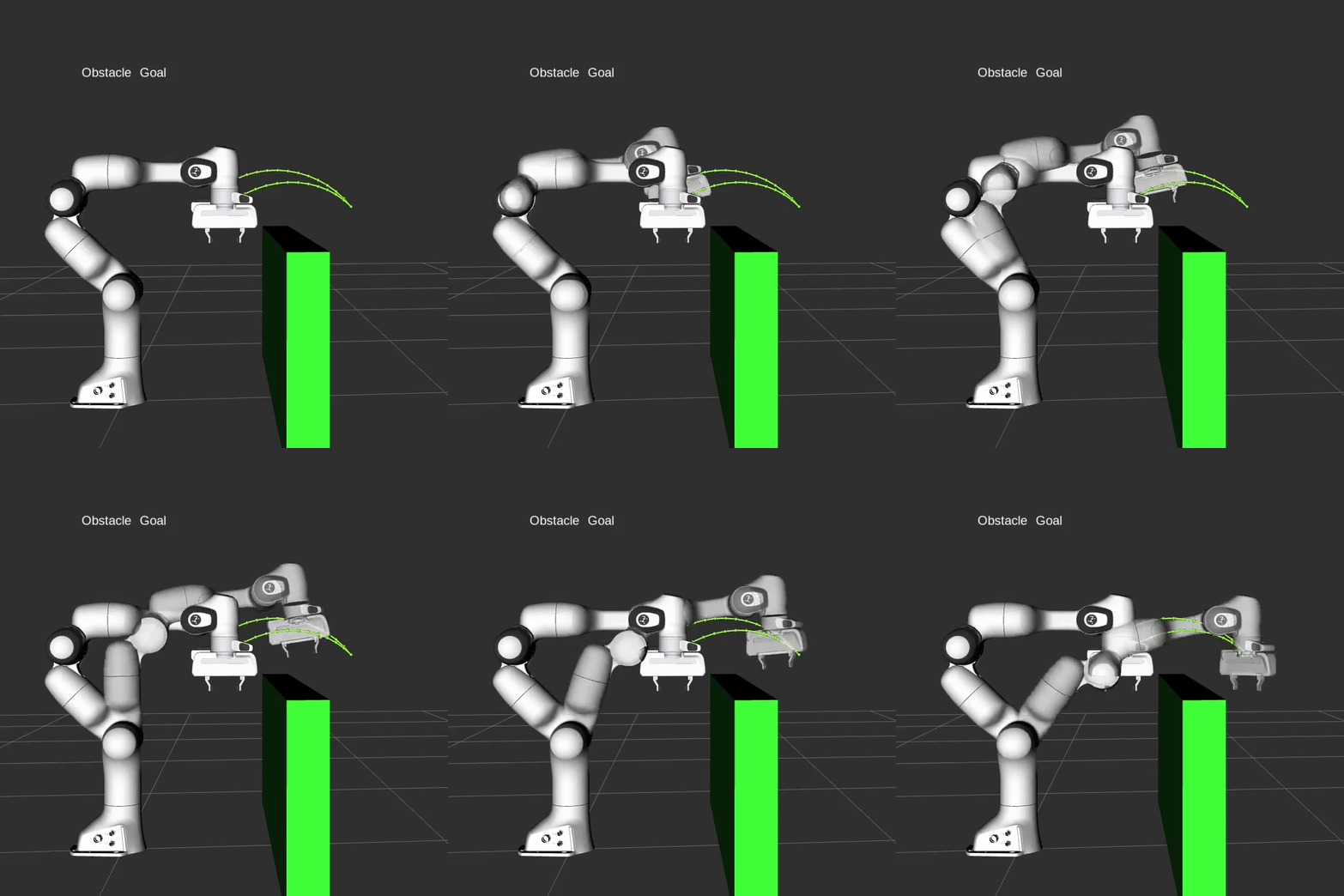
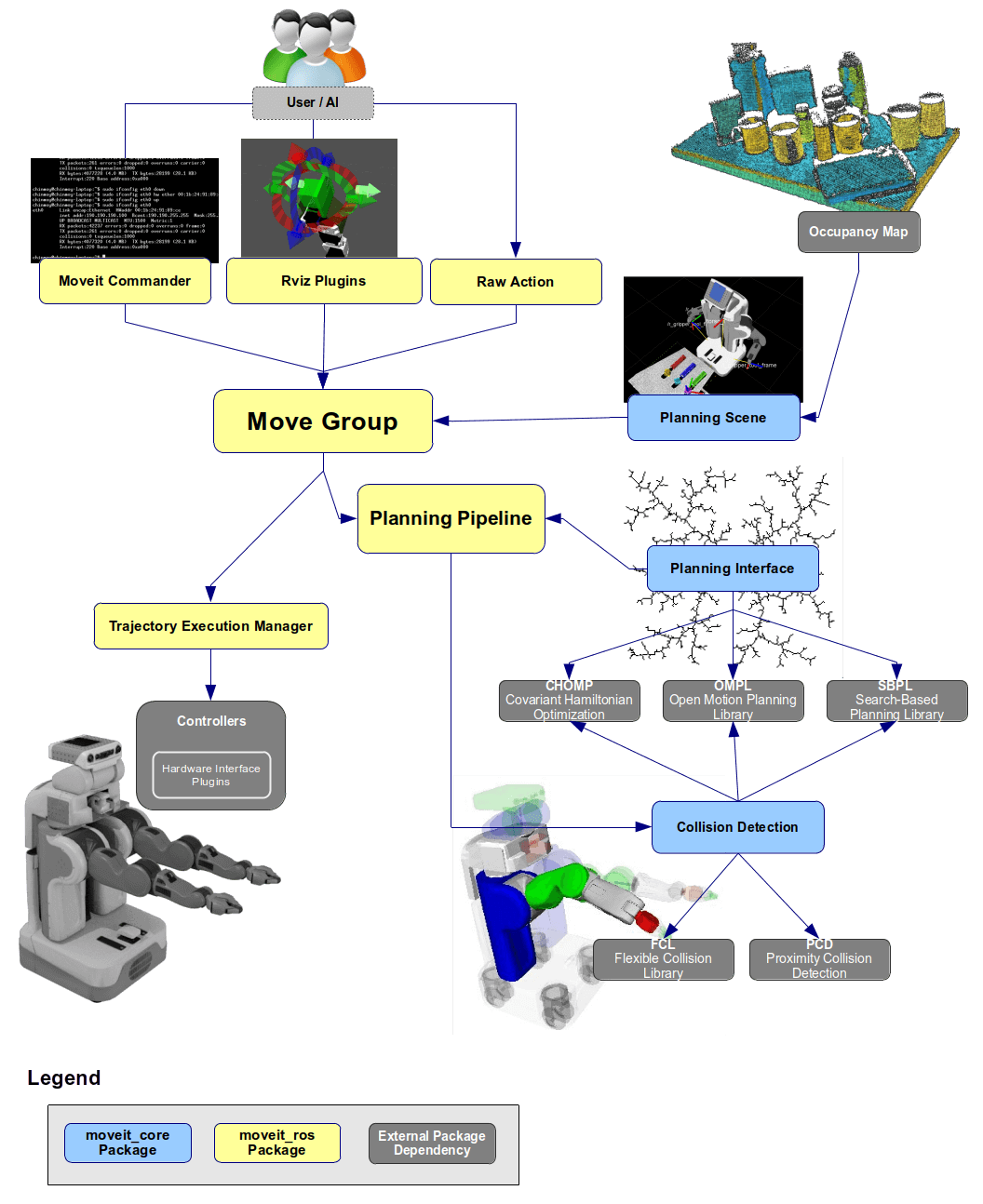
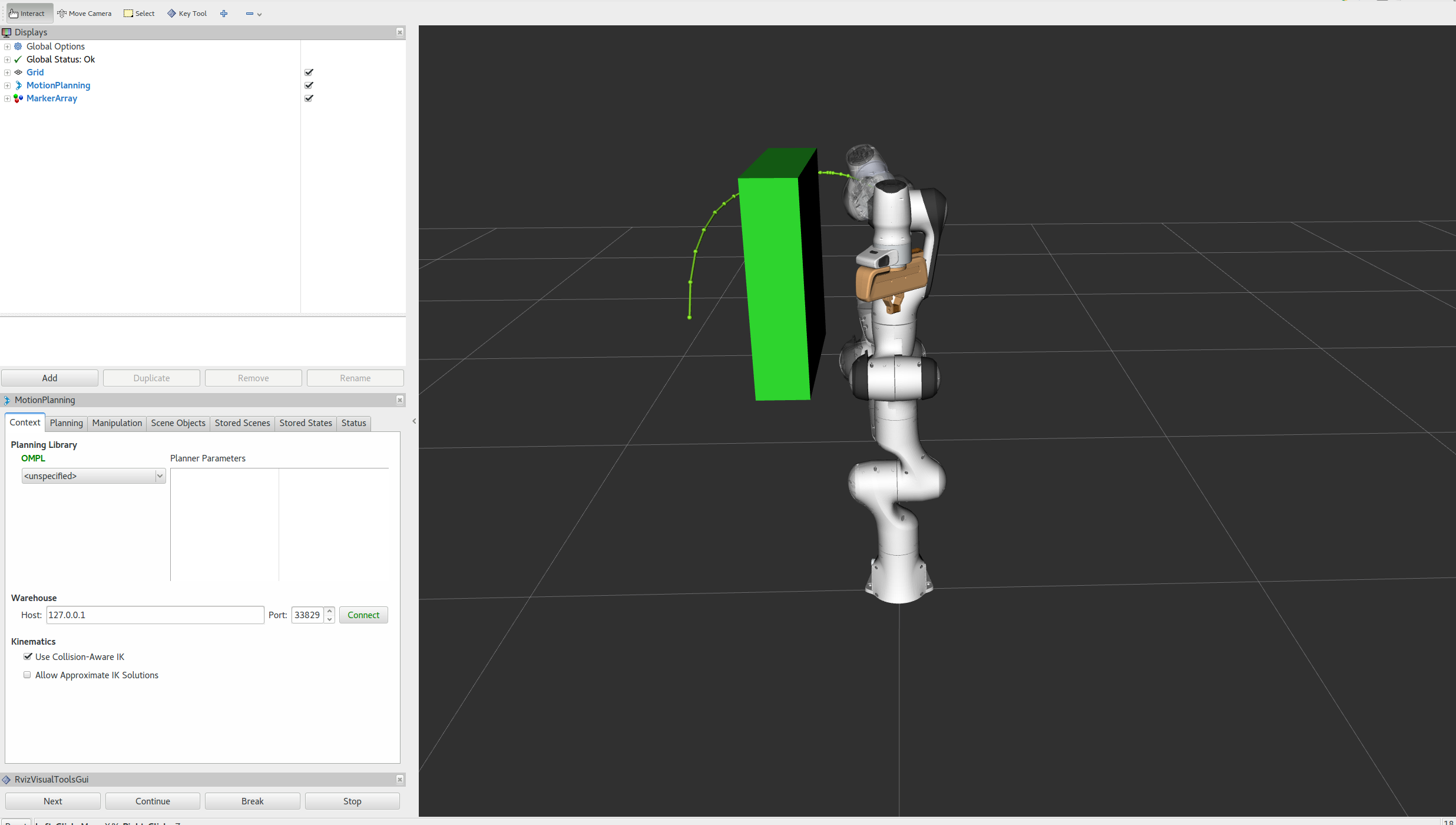
MoveIt2: Motion Planning for Robot Arms with ROS 2
Complete guide to MoveIt2 configuration for robot arms — from URDF, collision detection to trajectory planning in ROS 2.
Carrying & Transporting Objects: Stability During Motion
Train robots to carry objects stably with RL — from carry-flat to pouring, multi-objective reward balancing speed vs stability.
Precision Pick-and-Place: Position & Orientation Control
Train precise pick-and-place with RL — HER for sparse rewards, 6-DOF placement, and orientation alignment with sub-cm accuracy.

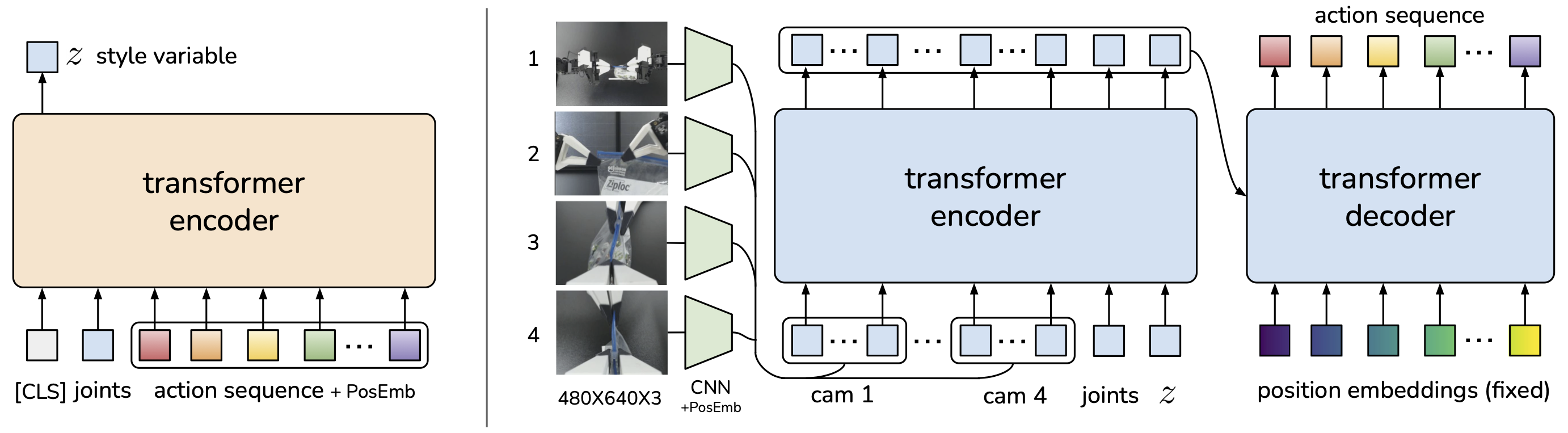
Bimanual Manipulation: Teaching Robots to Use Both Arms
ALOHA hardware, Mobile ALOHA, ACT for bimanual tasks, data collection tips and LeRobot SO-100 dual arm — complete guide to bimanual manipulation.

RL Force Control: Balancing a Cup of Water
Train a robot to carry a cup of water without spilling using RL — reward design for force control, impedance baseline, and SAC training.

Dexterous Manipulation: Teaching Robot Hands
In-hand rotation, tool use, DexGraspNet and tactile sensing — complete guide to dexterous manipulation with multi-finger robot hands.

Diffusion Policy in Practice: From Theory to Code
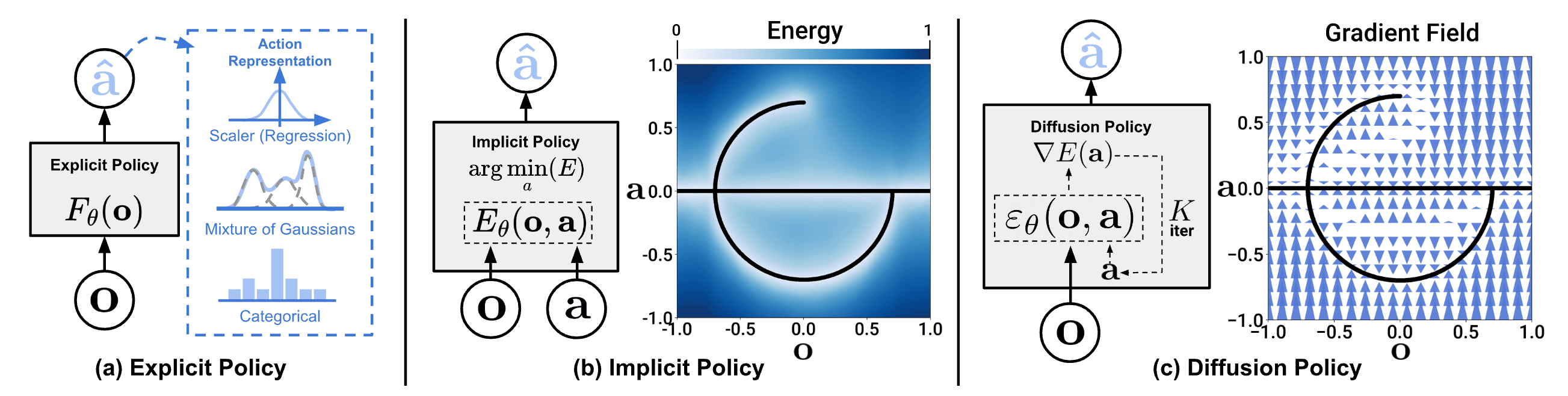
DDPM recap, Diffusion Policy architecture (CNN vs Transformer), implementation with LeRobot, and benchmark results — complete practical guide.
Grasping with RL: Stable Grasp & Object Variety
Train robots to grasp diverse objects with RL — from grasping reward design to curriculum learning with PPO and SAC.
RL for Manipulation: MDP, Reward Design & Environment Setup
Build the foundation of RL for manipulation — from MDP formulation and reward function design to setting up MuJoCo environments from scratch.

ROS 2 A to Z (P5): ros2_control and Hardware
Connect ROS 2 to real hardware — write a C++ hardware interface for motor drivers and read encoders with the ros2_control framework (Jazzy, updated June 2026).

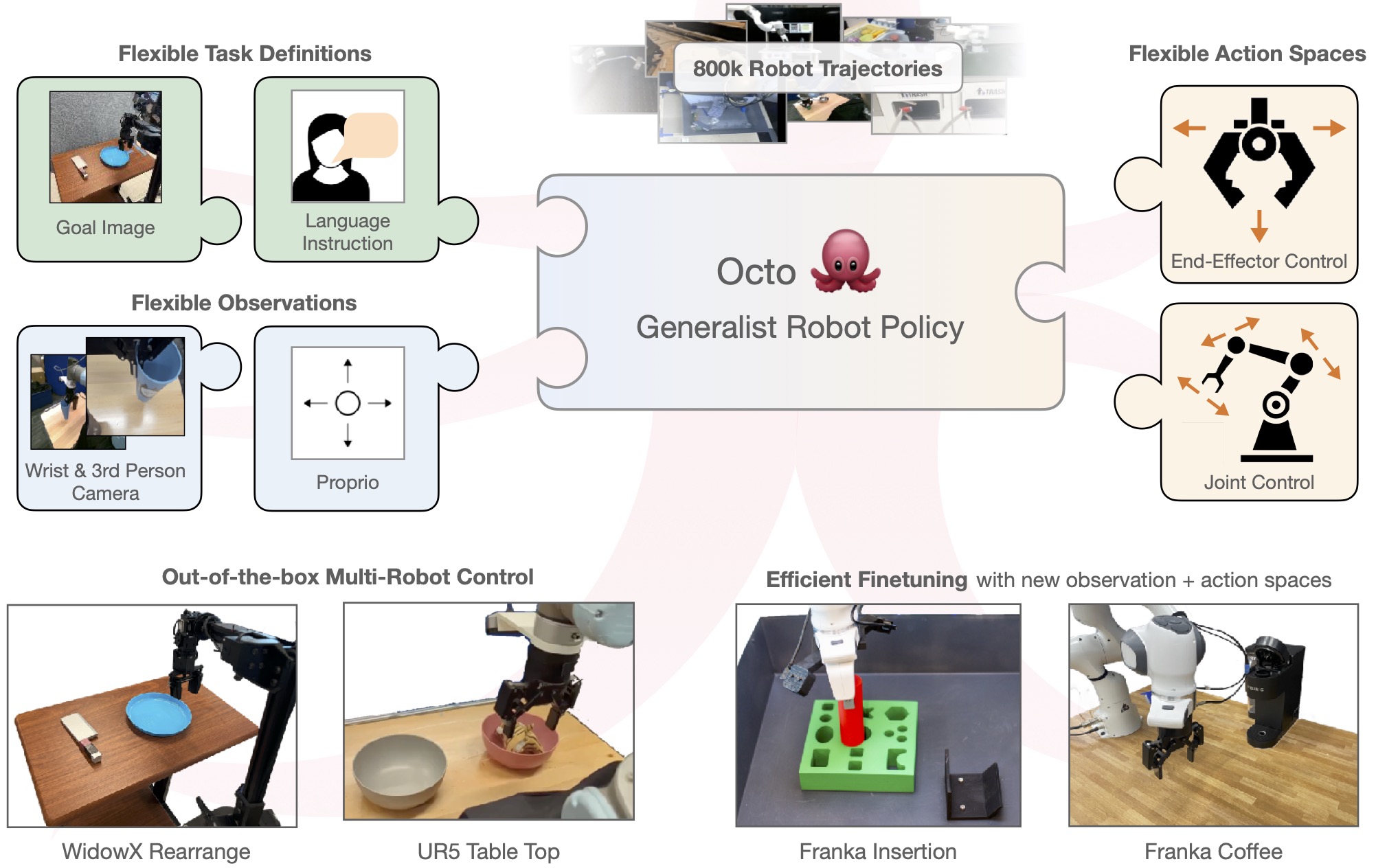
VLA for Manipulation: RT-2, Octo, pi0 in Practice
Vision-Language-Action models changing manipulation — from Google's RT-2 to pi0 by Physical Intelligence, with fine-tuning and real-world limitations.

Building Manipulation Systems with LeRobot: From Zero to Deployment
Complete end-to-end tutorial: setup LeRobot, record demonstrations, train policy (ACT/Diffusion), evaluate and deploy to real robot arms.

Imitation Learning for Manipulation: BC, DAgger, ACT
Data collection via teleoperation, Behavioral Cloning pipeline, DAgger fixes distribution shift, and ACT -- comprehensive guide for teaching robots manipulation from demonstrations.

Robot Grasping 101: Analytical to Learning-Based
From traditional force closure to deep learning grasp detection -- overview of modern grasping methods and how to choose right approach for your project.
Inverse Kinematics for 6-DOF Robot Arm: Theory + Python
Solve IK for 6-DOF robot arm — from DH parameters, forward kinematics to numerical IK solver in Python with NumPy.
Top 5 Cobots 2026: UR vs Doosan vs FANUC vs ABB vs Techman
Compare top 5 cobot brands — payload, reach, price, and practical applications for Vietnamese factories.
Programming Robot Control with Python: From Basics to Advanced
Python is the most popular language in robotics thanks to rich library ecosystem. Learn how to control robots from GPIO to kinematics.