Navigation
Autonomous mobility indoors and out: SLAM, Nav2, AMR fleets, mapping and vision-language navigation.
22 articles in this topic
MOV.AI Alternatives 2026: 5 AMR Robot Platforms Compared
MOV.AI is a full robotics OS β but maybe not what you need. Honest comparison of 5 alternatives: pricing, ROS 2 support, complexity, free tiers.

ROS 2 A to Z (P6): Nav2 β Autonomous Navigation
Configure the Nav2 stack for autonomous SLAM mapping and automatic movement β from simulation to reality (Jazzy, updated June 2026).
Multi-Robot Coordination: Task Allocation Algorithms
Task allocation algorithms for robot teams β from Hungarian algorithm, auction-based to RL-based approaches.
Docker + K3s on Edge: GitOps for Robot Fleet
Guide to deploying Docker and K3s on edge devices β manage, OTA update, and monitor hundreds of robots with GitOps workflow.

Wheeled Humanoid: The Future of Logistics and Warehouse Robots
Humanoid robots on wheels β why this hybrid design is transforming logistics and warehouse operations.

ROS 2 A to Z (P4): TF2, URDF and RViz2
Describe your robot's shape with URDF, track coordinate relationships between its parts with TF2, and visualize it all in RViz2 β C++ and Python examples (Jazzy, June 2026).

Outdoor Navigation and Multi-Robot Coordination
GPS-denied navigation, terrain classification, multi-robot traffic management with VDA5050, and MAPF algorithms for robot fleet.
Automating Electronics Factories in Bac Ninh: Real Lessons
Analysis of automation process in FDI electronics factories in Bac Ninh β challenges, solutions, and lessons for Vietnamese enterprises.

Vision-Language Navigation: Robot Following Instructions
Explore VLN -- how robots understand and execute natural language instructions, from R2R benchmark to NaVILA and LLM-based planning.

Learning-based Navigation: GNM, ViNT and NoMaD
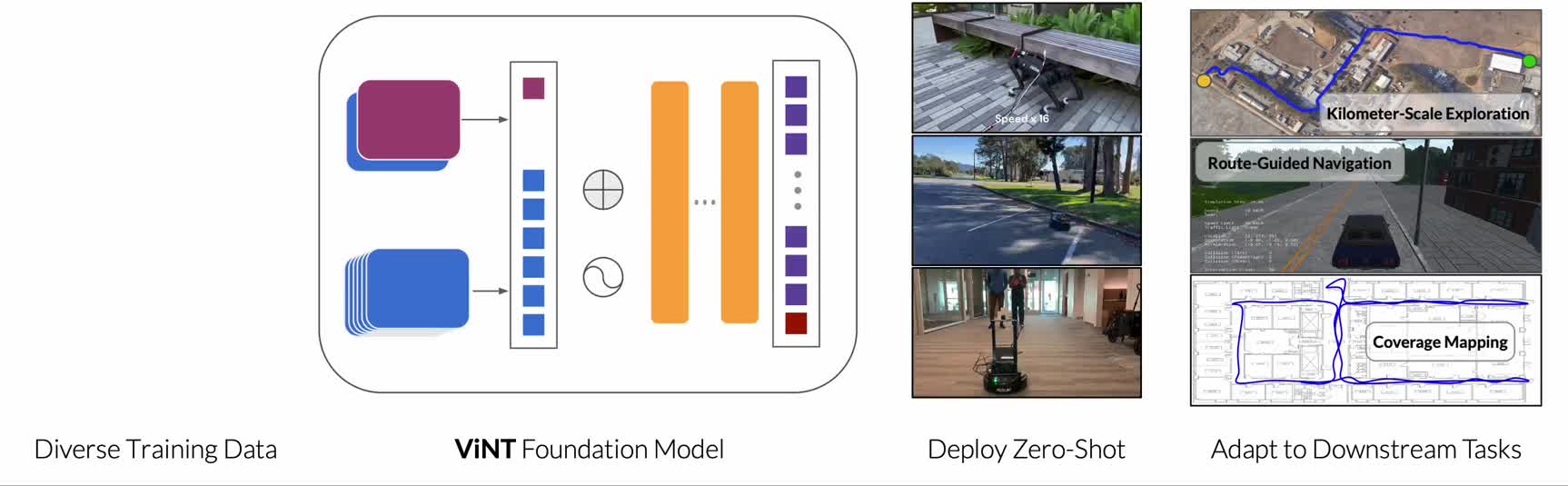
Explore foundation models for robot navigation -- GNM, ViNT, NoMaD from Berkeley and how they change how robots move.

ROS 2 Nav2: Complete Navigation for AMR
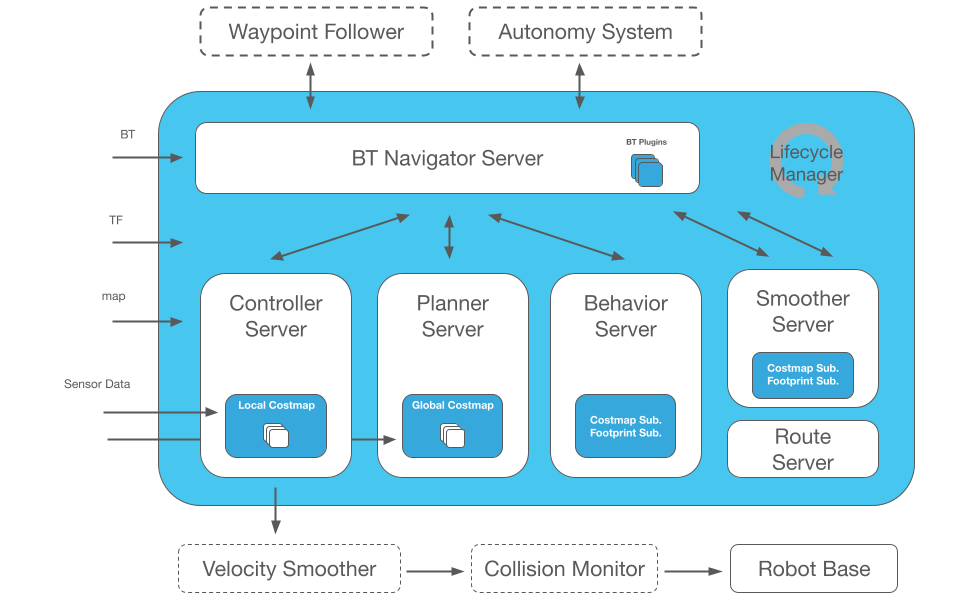
Comprehensive guide to Nav2 stack -- from map building with slam_toolbox, path planning with NavFn and Smac, to behavior trees and launch config.

ROS 2 A to Z (P3): Parameters, Launch, Lifecycle
Configure nodes flexibly with Parameters, bring up a whole system with Launch files, and manage node lifecycle with Lifecycle nodes β full C++ and Python examples (Jazzy, June 2026).

SLAM A to Z: LiDAR, Visual and How Robots Localize
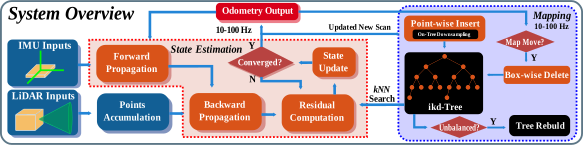
Master SLAM from basics to advanced β EKF-SLAM, particle filter, ORB-SLAM3, Cartographer, LIO-SAM and how to choose the right method.

Open-RMF: Open-Source Robot Fleet Management System
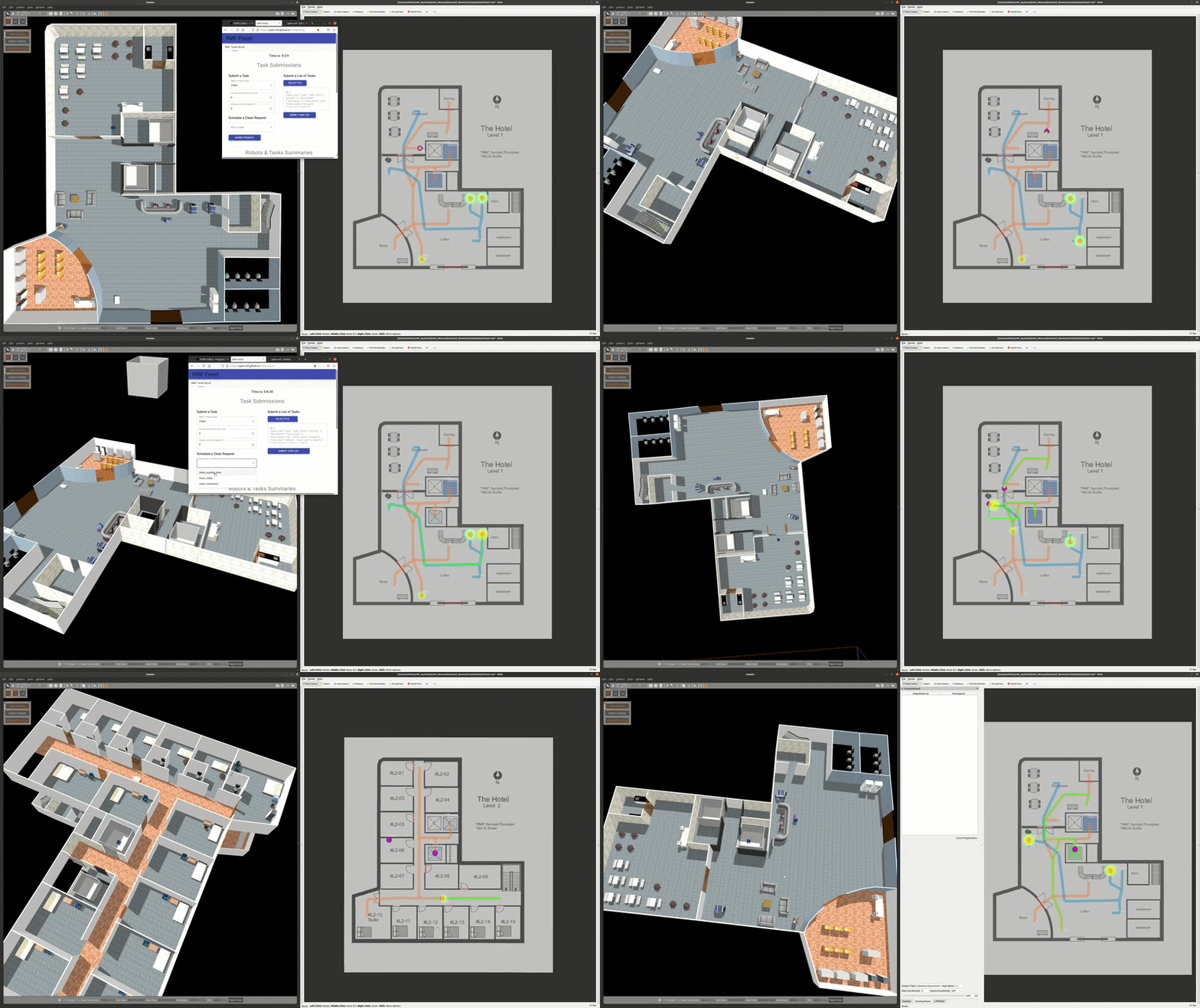
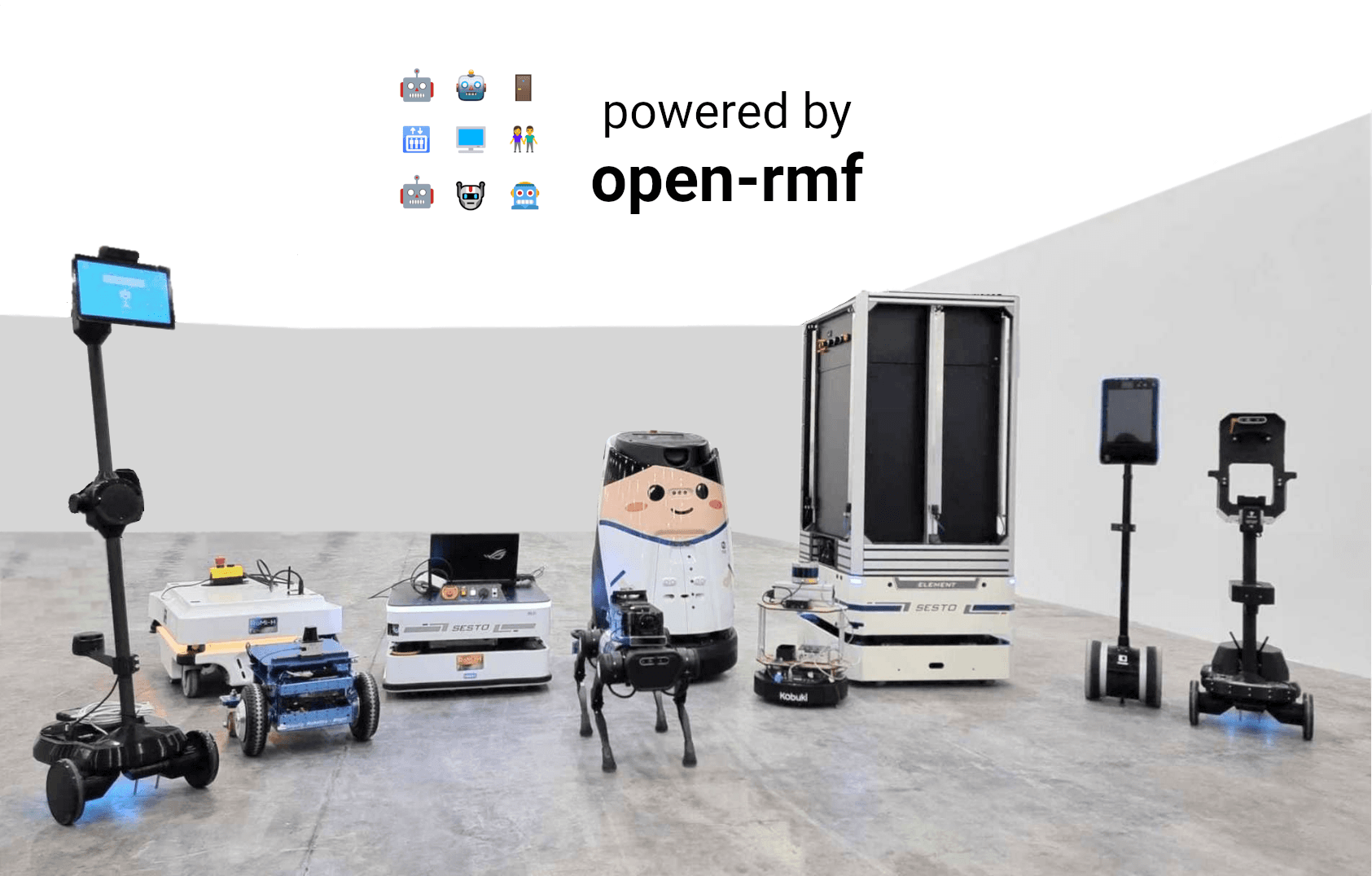
Discover Open-RMF β multi-vendor open-source framework for managing robot fleets, integrating ROS 2 for smart factories.
Kalman Filter for Robot Localization: Sensor Fusion in Practice
Guide to Kalman Filter and EKF β combining IMU, encoder, GPS for accurate robot positioning.

ROS 2 A to Z (Part 2): Topics, Services, and Actions
Master the 3 core communication primitives in ROS 2 β when to use Topic, Service, or Action for your robot.

ROS 2 A to Z Part 1: Setup and First Node
Install ROS 2 Jazzy on Ubuntu 24.04 and write your first publisher/subscriber node (Python & C++) β the starting point for robotics engineers (updated June 2026).
AGV vs AMR: Choosing the Right Solution for Your Vietnamese Factory
Detailed comparison of AGV and AMR β cost, flexibility, ROI and guide to choose the right solution for your manufacturing plant in Vietnam.
LiDAR and 3D Mapping: Building Environment Maps for Robots
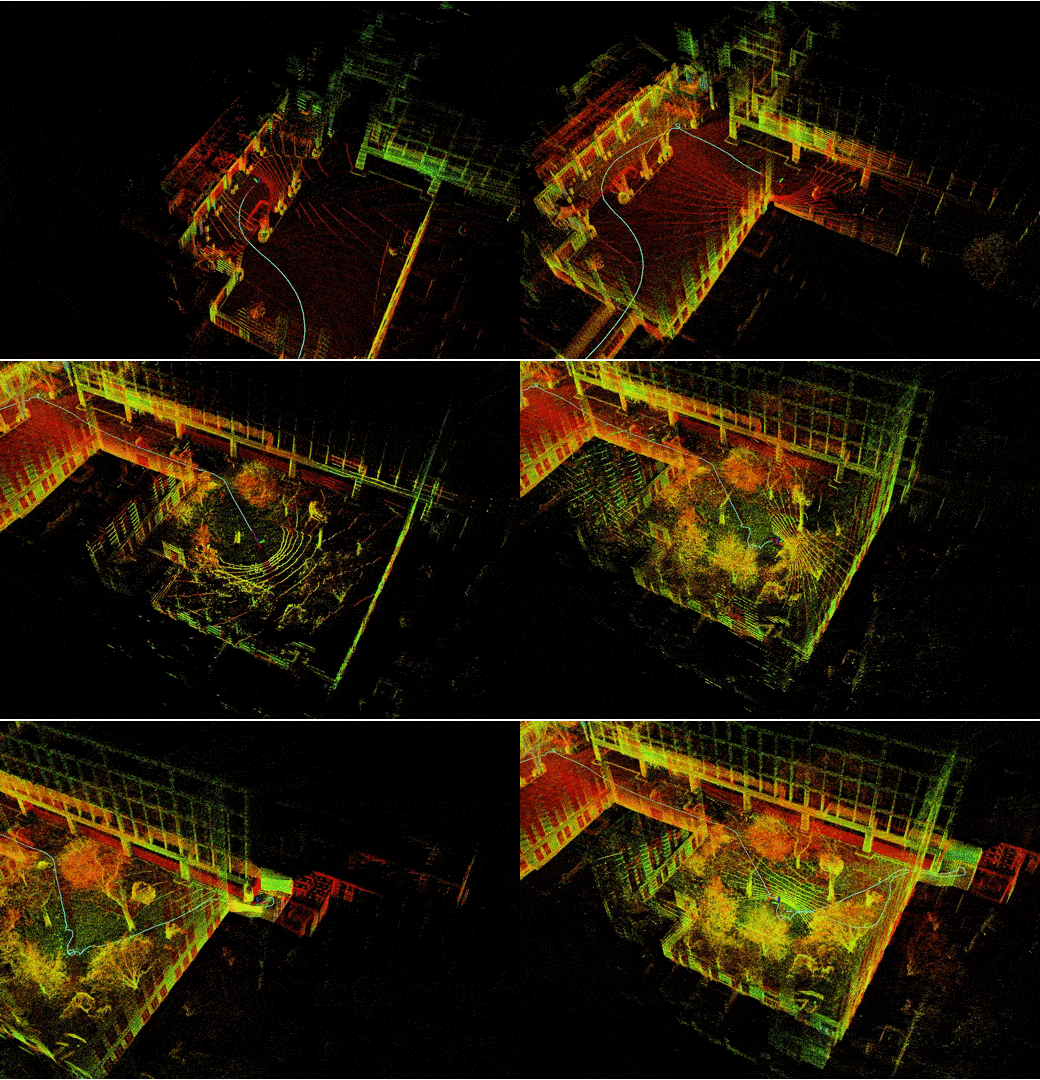
Understanding LiDAR and 3D Mapping β using LiDAR sensors and PCL to create accurate 3D maps for autonomous robots.
Kubernetes for Robot Fleet: Orchestration at Scale
Using Kubernetes and K3s to manage, update, and monitor hundreds of robots with GitOps principles.

SLAM and Navigation: How Robots Self-Localize and Move
Learn how robots use SLAM for mapping, self-localization, and path planning with ROS 2 Nav2 stack.

Robot Fleet Management in Smart Factories
From AMR dispatching to real-time monitoring β how to build a system managing dozens of robots operating simultaneously in one space.