Locomotion
Getting robots to walk, run and recover: quadruped and bipedal gait, terrain adaptation, and the controllers that keep them upright.
11 articles in this topic

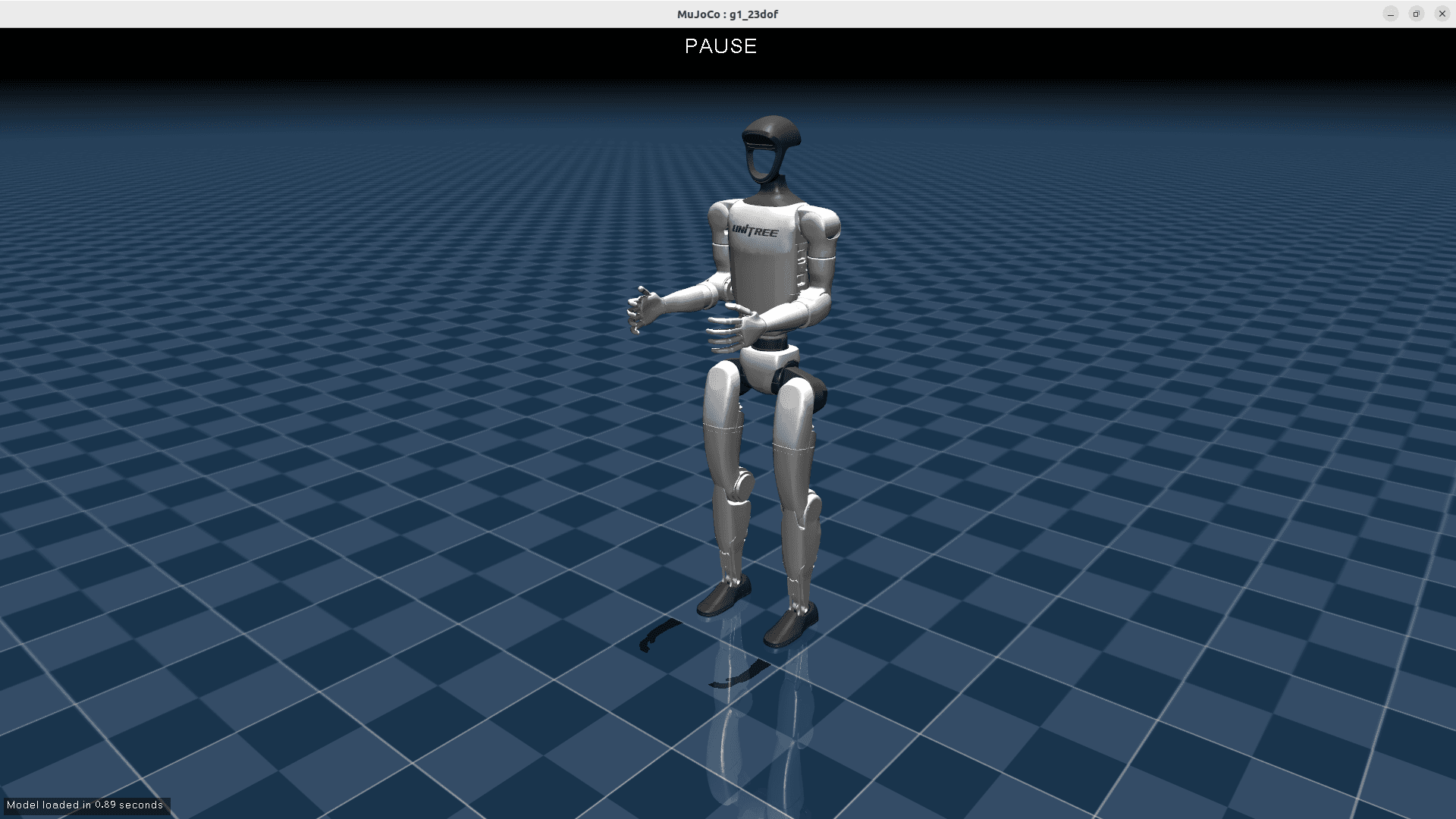
Debug G1 MPC/WBID with PlotJuggler
Use PlotJuggler to inspect SRBD, MPC, feet references, and wbid_solve_time in the G1 MuJoCo MPC/WBID stack.

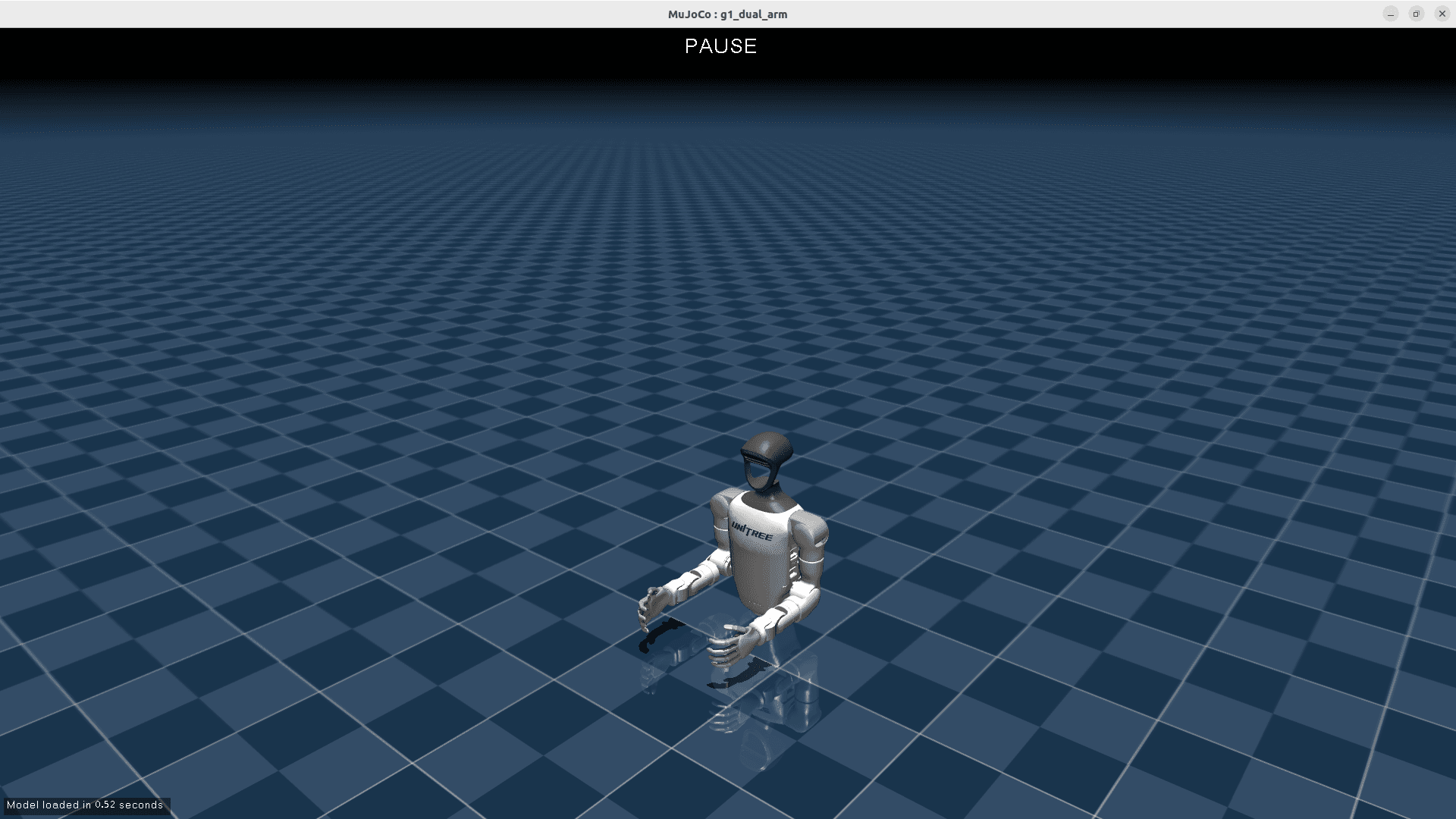
From Posture PD to Contact-Aware WBID
Compare posture PD and contact-aware WBID for G1 MuJoCo: gains, q_init, qddot, contact forces, tasks, and constraints.

Ego Videos for Locomotion LAMs
Design a low-cost egocentric video protocol for WholeBodyVLA-style locomotion LAM pretraining.

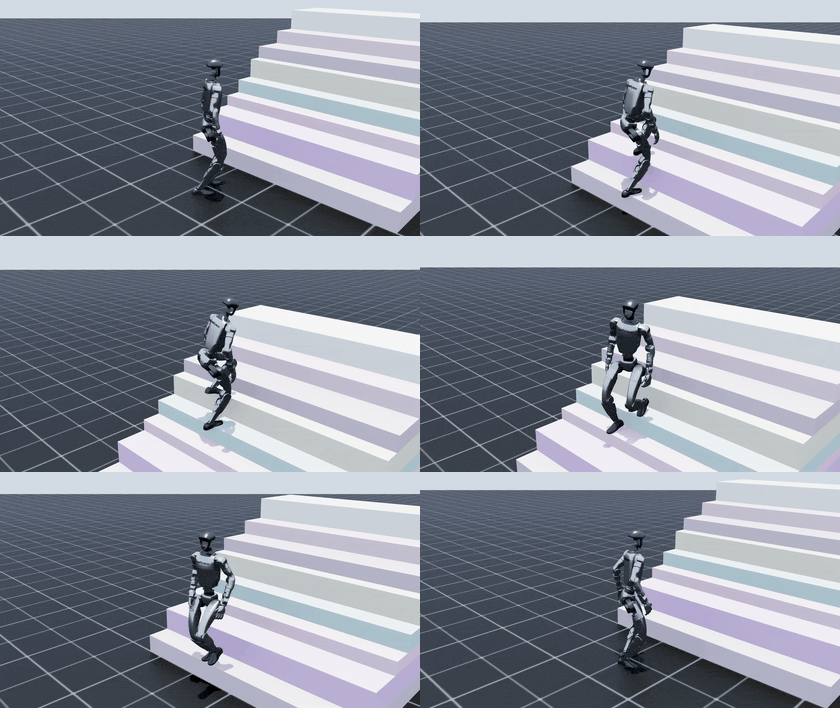
Static-Object Mode for Terrain and Sitting
Compare GRAIL manipulation reconstruction with static-object mode for stairs, slopes, curbs, and sitting.

Sim-to-Real for Locomotion: Reality and Experience
Transferring locomotion policy from simulation to real robot — domain randomization, actuator networks, and best practices.

Bipedal Walking: Controlling 2-Legged Robots with RL
Challenges of bipedal robot control — balance, fall recovery, terrain adaptation from Cassie to Digit and humanoid.

Robot Parkour: Jumping and Climbing with RL
Analyzing Extreme Parkour and SoloParkour — teaching robots to jump, climb stairs and overcome complex terrain with RL.

Walk These Ways: Adaptive Locomotion One Policy
Analyzing Walk-These-Ways paper — train one single policy for multiple movement types with multiplicity of behavior.

Quadruped Locomotion: legged_gym to Unitree Go2
Hands-on train locomotion policy with legged_gym and deploy to 4-legged Unitree Go2 robot — from sim to real.

RL for Locomotion: PPO, Reward Shaping and Curriculum
How RL is applied to locomotion — from reward design, observation space to training pipeline with Isaac Lab.

Locomotion Basics: From ZMP to CPG
History and theory of robot movement control — ZMP, CPG, inverse kinematics before RL dominated.