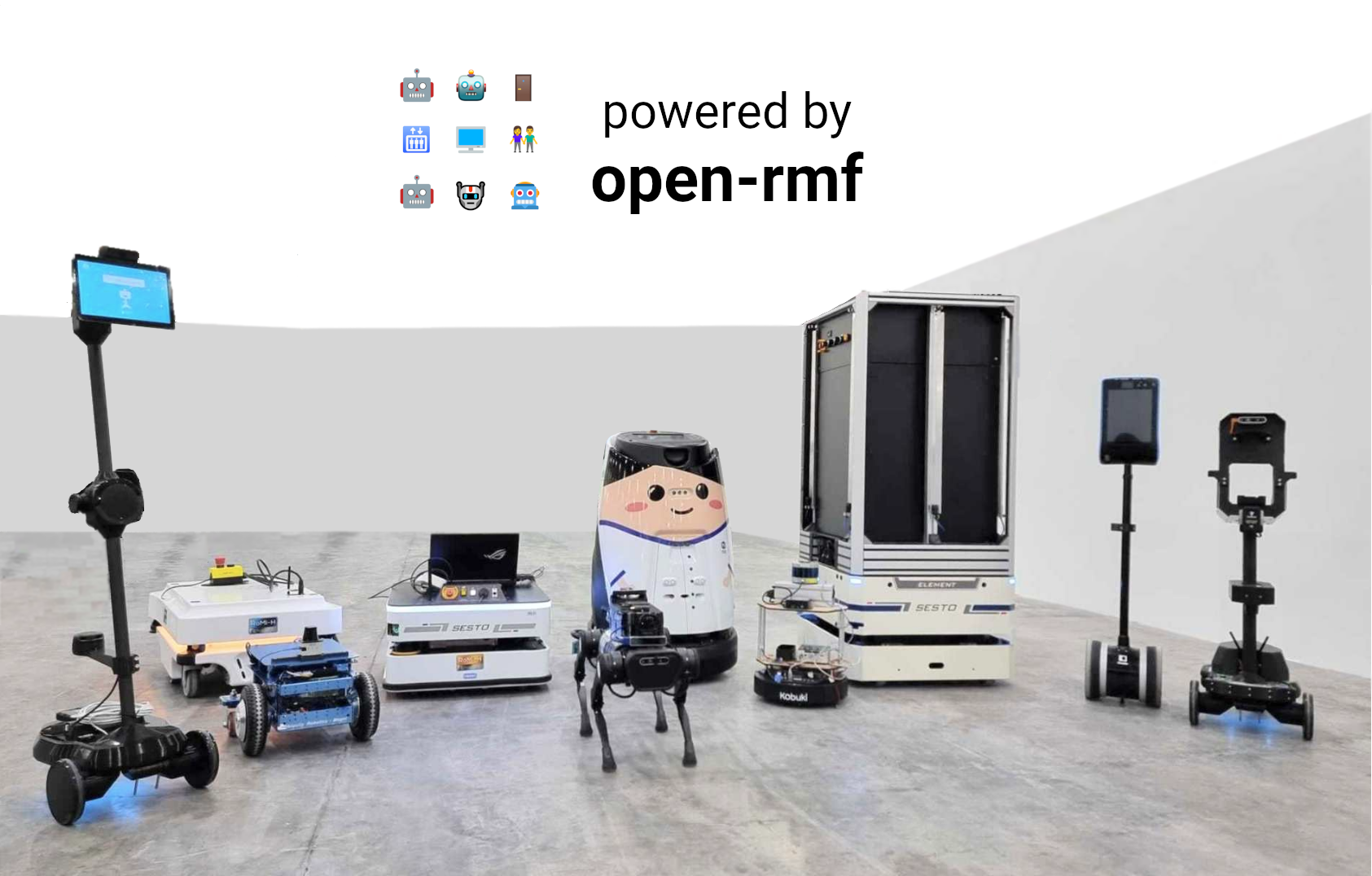
What is Robot Fleet Management?
Robot Fleet Management (RFM) is software system coordinating and monitoring multiple robots operating simultaneously in one space. When factory has only 1-2 robots, manual control works. But with 10, 20, or 50 AMRs (Autonomous Mobile Robots), you need central system for task assignment, collision avoidance, and efficiency optimization.
System Architecture
Layer 1: Robot Agent
Each robot runs ROS 2 with navigation stack (Nav2 and SLAM), communicating with fleet manager via MQTT or DDS. Robot agent handles:
- Localization (AMCL or SLAM)
- Local path planning and obstacle avoidance
- Status reporting: position, battery, task state
Layer 2: Fleet Manager
Core of system, running on edge server at factory. Main functions:
- Task allocation: Optimal assignment based on robot position, battery, priority
- Traffic management: Manage intersections, prevent deadlock
- Charging management: Auto-send robots to charging when battery low
Layer 3: Dashboard & Analytics
Real-time web display:
- Factory map with robot positions (updated every 100ms)
- Throughput and utilization graphs
- Task history and incident reports

Task Allocation Algorithms
Robot fleet task assignment is combinatorial optimization. Common approaches:
Hungarian Algorithm
Solves 1-to-1 assignment (each robot one task). Finds assignment with minimum total travel cost. Suitable for simple scenarios.
Auction-based
Each task is "auctioned", robot with best bid (closest, fullest battery) gets assigned. More flexible than Hungarian, handles robots/tasks adding/removing in real-time.
Reinforcement Learning
Using multi-agent RL to learn optimal assignment policy long-term. Cutting-edge, powerful results in simulation but still maturing for production.
Open-source Tools
- Open-RMF (open-rmf.org): Mã nguồn mở fleet management framework, integrates well with ROS 2
- Eclipse zenoh: High-performance middleware replacing DDS, good for large fleets
- Foxglove Studio: Visualization and debugging for ROS 2 fleets

Real Deployment in Vietnam
Vietnam's AMR market growing fast, especially in logistics (e-commerce warehouses) and electronics manufacturing. Main challenges:
- Old factory floors uneven — affects localization
- WiFi unstable — need 5G private network fallback
- Staff needs training for robot troubleshooting
VnRobo developing integrated RFM solution from hardware to software, targeting small-medium factories in Vietnam.