All posts
Page 6 of 18

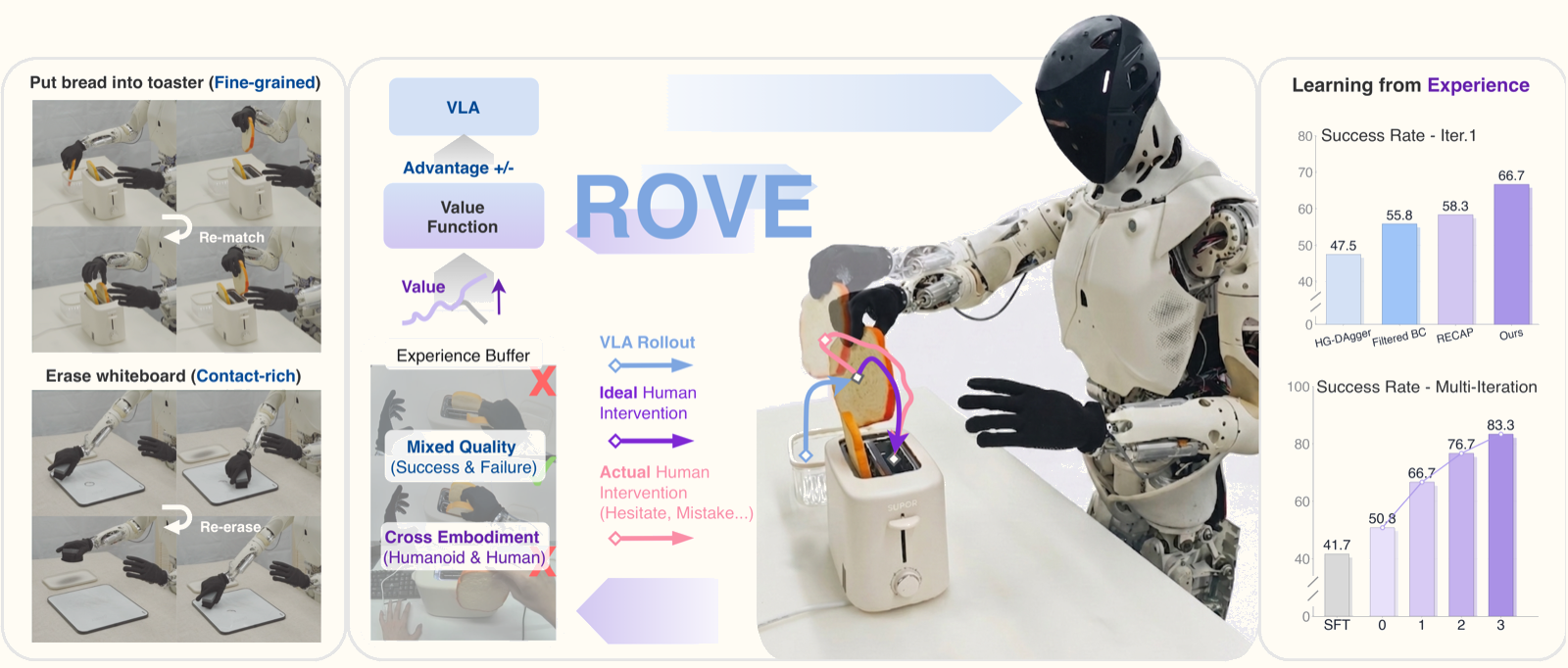
ROVE (XPENG Robotics) applies Optimistic Value Estimation to turn imperfect humanoid teleoperation data into RL signal for iterative VLA post-training.

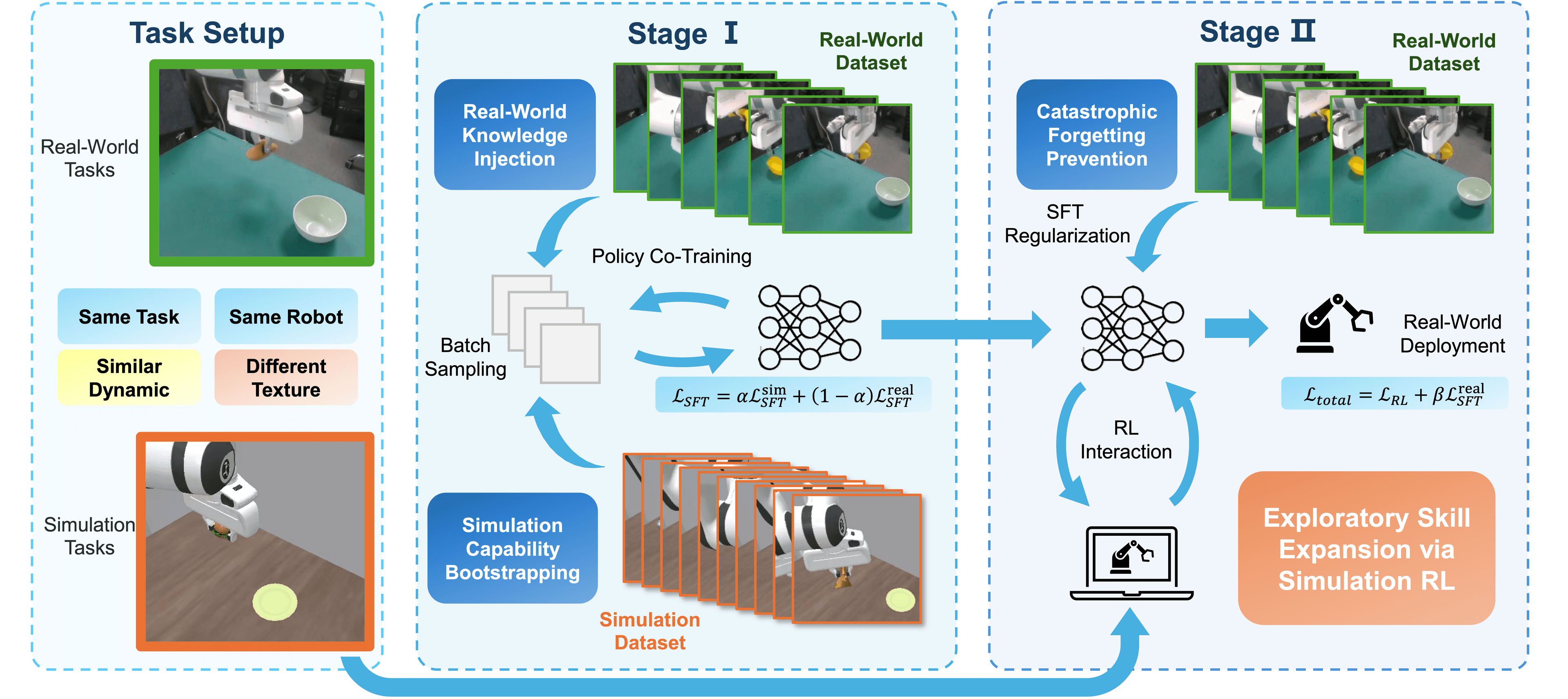
A hands-on guide to RLinf-Co — open-source framework combining RL and real data to train π₀/π₀.₅ VLAs far beyond pure imitation learning.

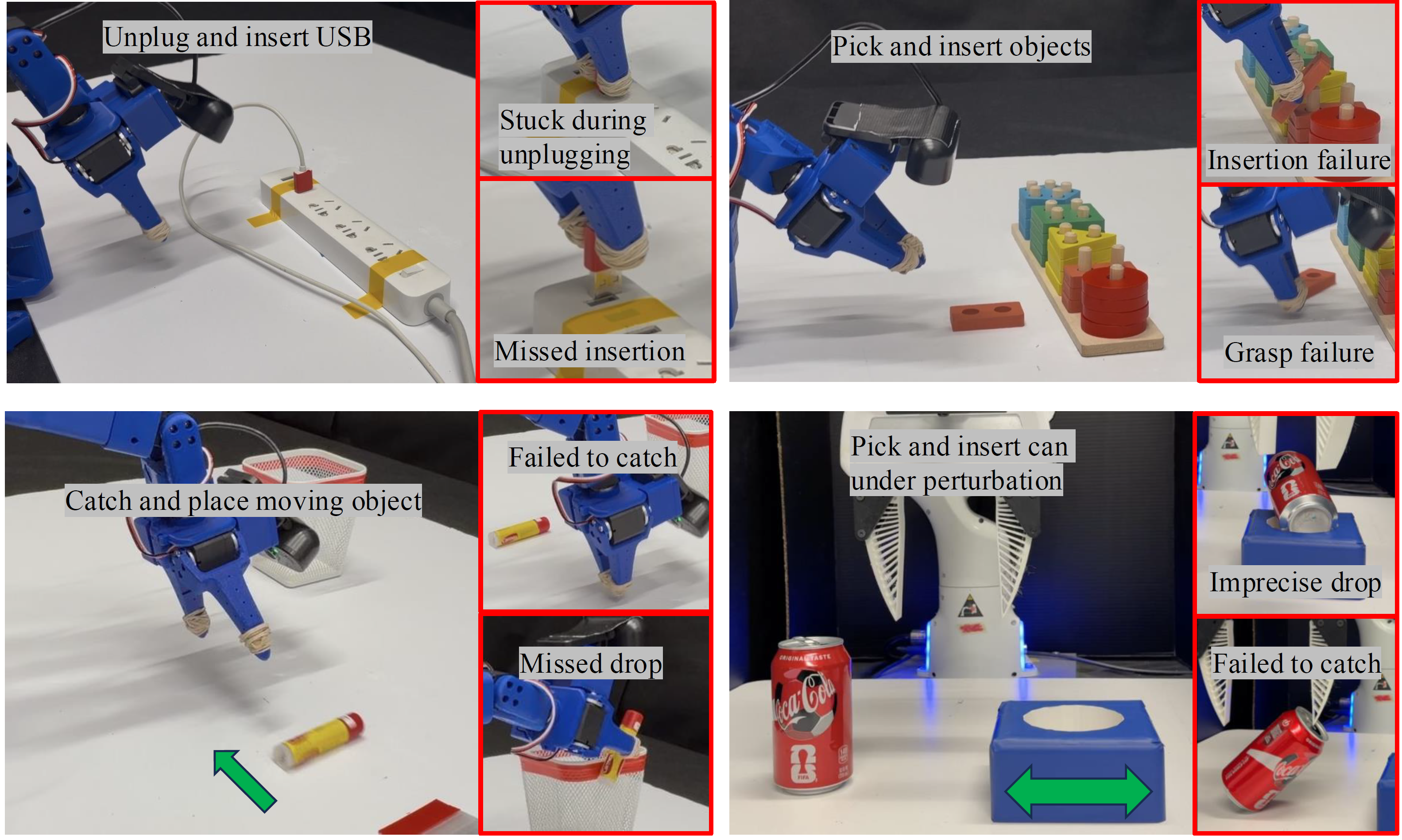
A practical guide to DREAM-Chunk, reactive action chunking with a latent world model for robust VLA robot execution.

NVIDIA GEAR Lab's ENPiRE uses coding agents (Claude Code, Codex, Kimi) to run real robot experiments autonomously, 99% pass rate on dexterous manipulation.

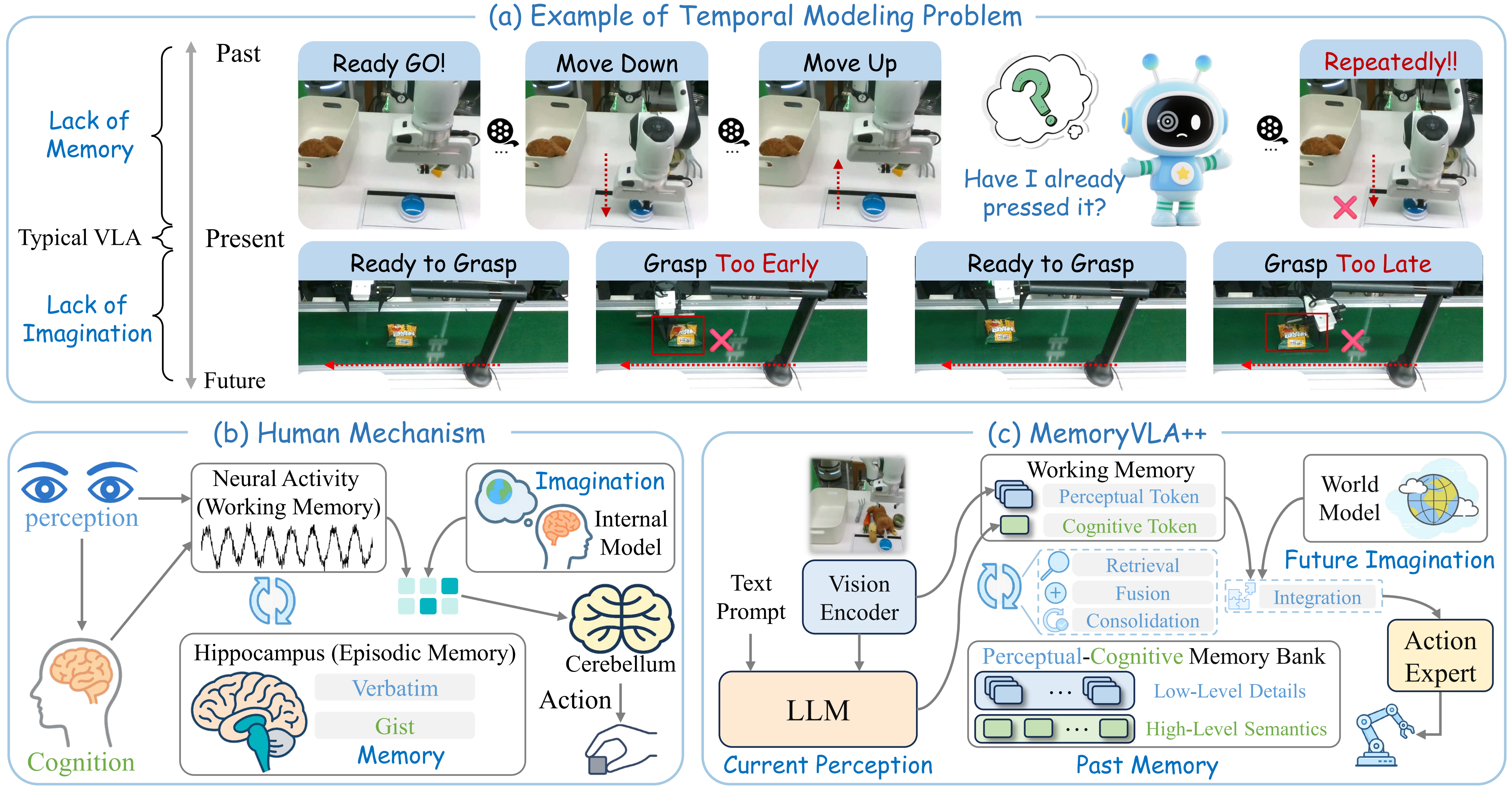
A practical guide to MemoryVLA++: PCMB memory, latent imagination with a world model, training, inference, and long-horizon results.

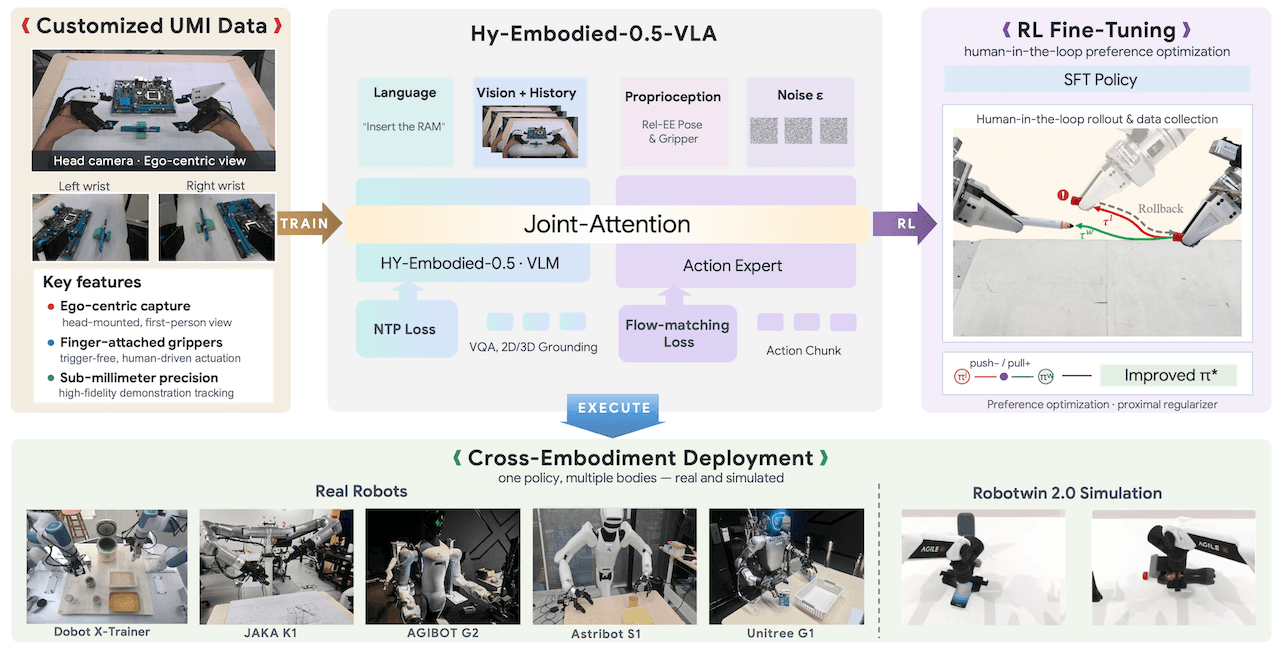
A practical guide to installing, running, fine-tuning, and evaluating Hy-Embodied-0.5-VLA for bimanual robot manipulation.

Dexora: the first open-source VLA for 36-DoF dual-arm, dual-hand manipulation, pairing an exoskeleton with Apple Vision Pro — 66.7% on dexterous tasks.

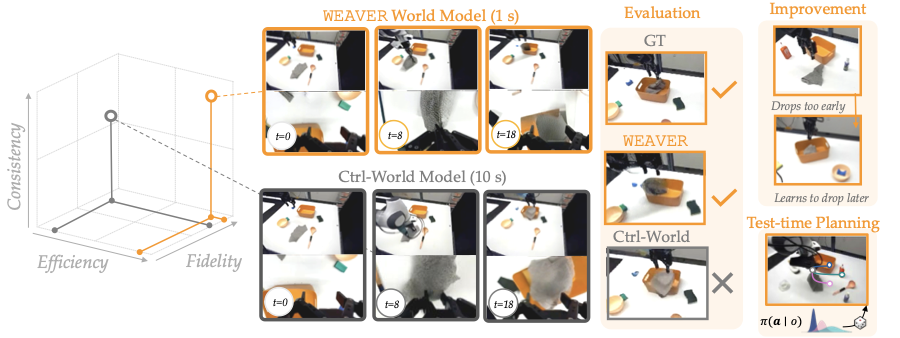
A practical guide to WEAVER, a multi-view world model for evaluating, improving, and steering π0.5 VLA manipulation.

A beginner-friendly guide to M3imic: idea, architecture, Isaac Lab setup, training, inference, and Unitree G1 results.

SOMA-X v0.2 unifies body models, pose conversion, LODs and pose inversion for physical AI, humanoid simulation and robotics.

RISE uses a compositional world model so VLA policies can improve through imagined rollouts before real robot deployment.

Step-by-step walkthrough of the RISE training pipeline: environment setup, LeRobot data preparation, offline policy training, dynamics model, and online self-im