All posts
Page 3 of 20

IntentVLA encodes visual history into a compact intent token to resolve observation aliasing — the root cause of unstable action chunks in VLA fine-tuning.

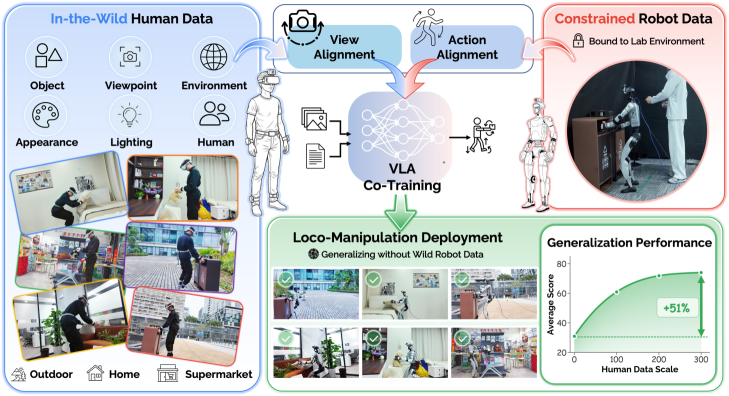
EgoHumanoid co-trains whole-body VLA from human VR demos and robot data, beating robot-only baselines by 51% in unseen environments.

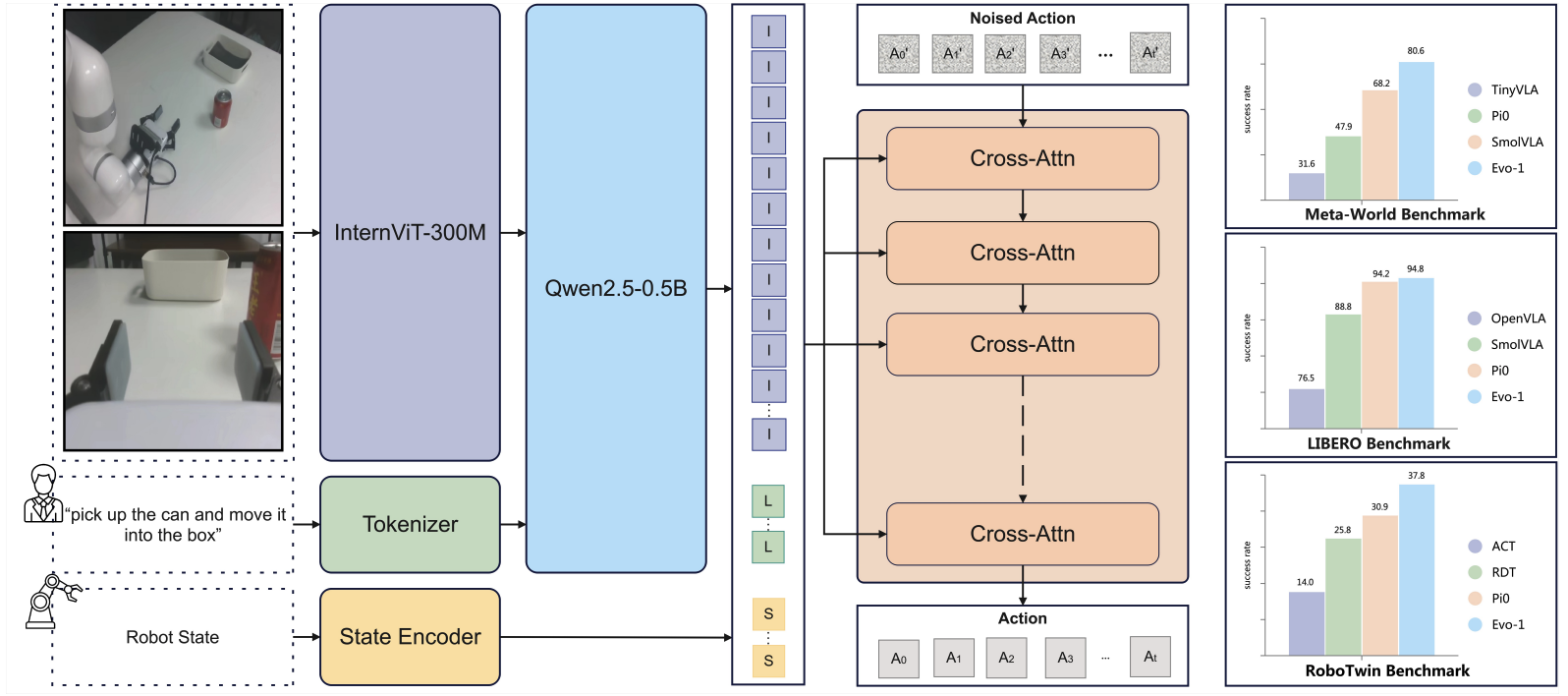
Fine-tune EVO1 (0.77B, InternVL3 + flow-matching) on SO-101 with LeRobot v0.6.0: runs 16.4 Hz on 2.3 GB VRAM. Full tutorial, data collection to inference.

Rapid Embodiment Adaptation keeps Unitree Go2 stable in 0.5s when a leg is locked or 5 kg payload added — UC San Diego & TU Darmstadt, arXiv 2608.01506.

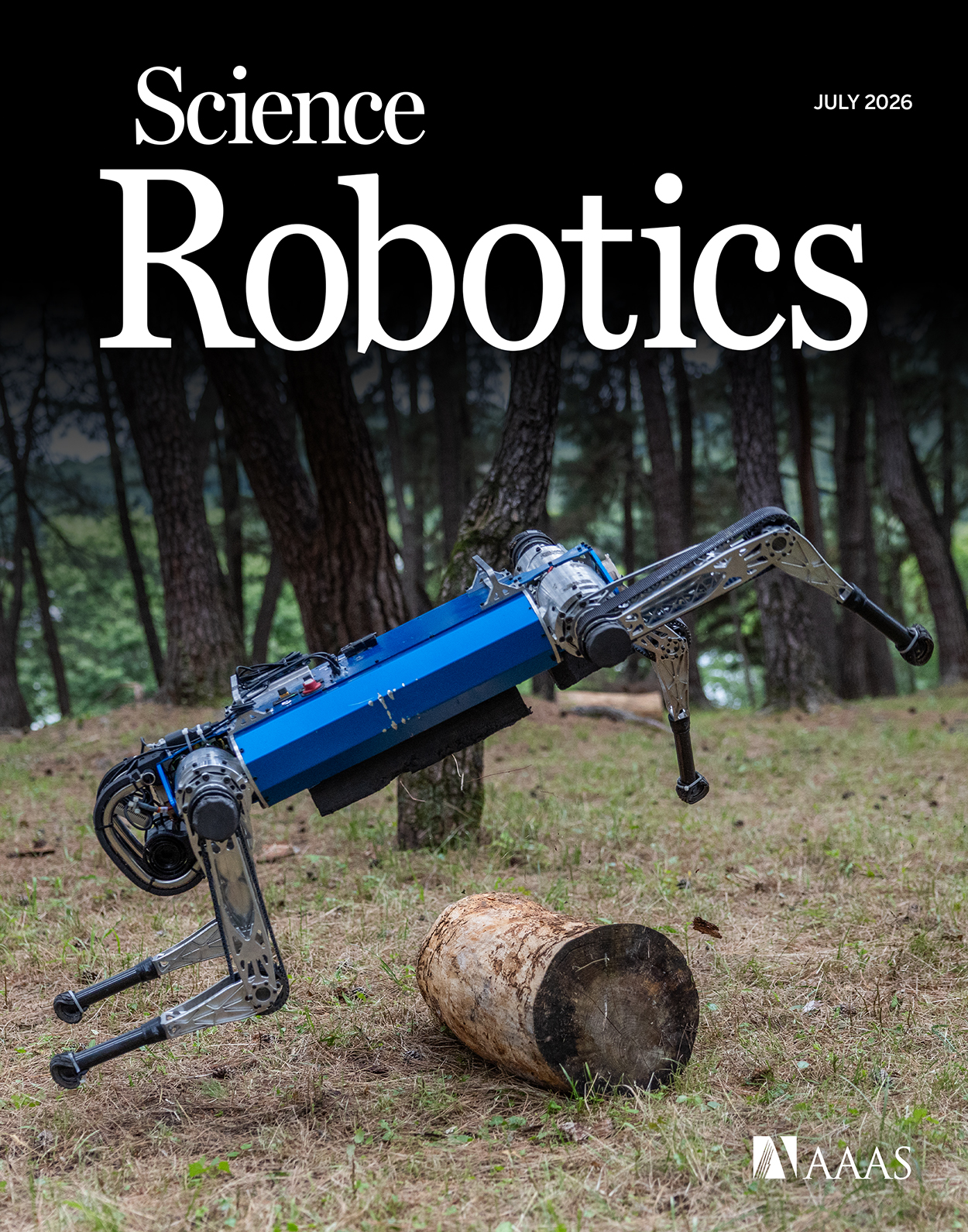
KAIST HOUND reaches 6 m/s on a 3-step staircase using APT-RL: Transformer VAE, PPO curriculum, perceptual distillation. Science Robotics cover.

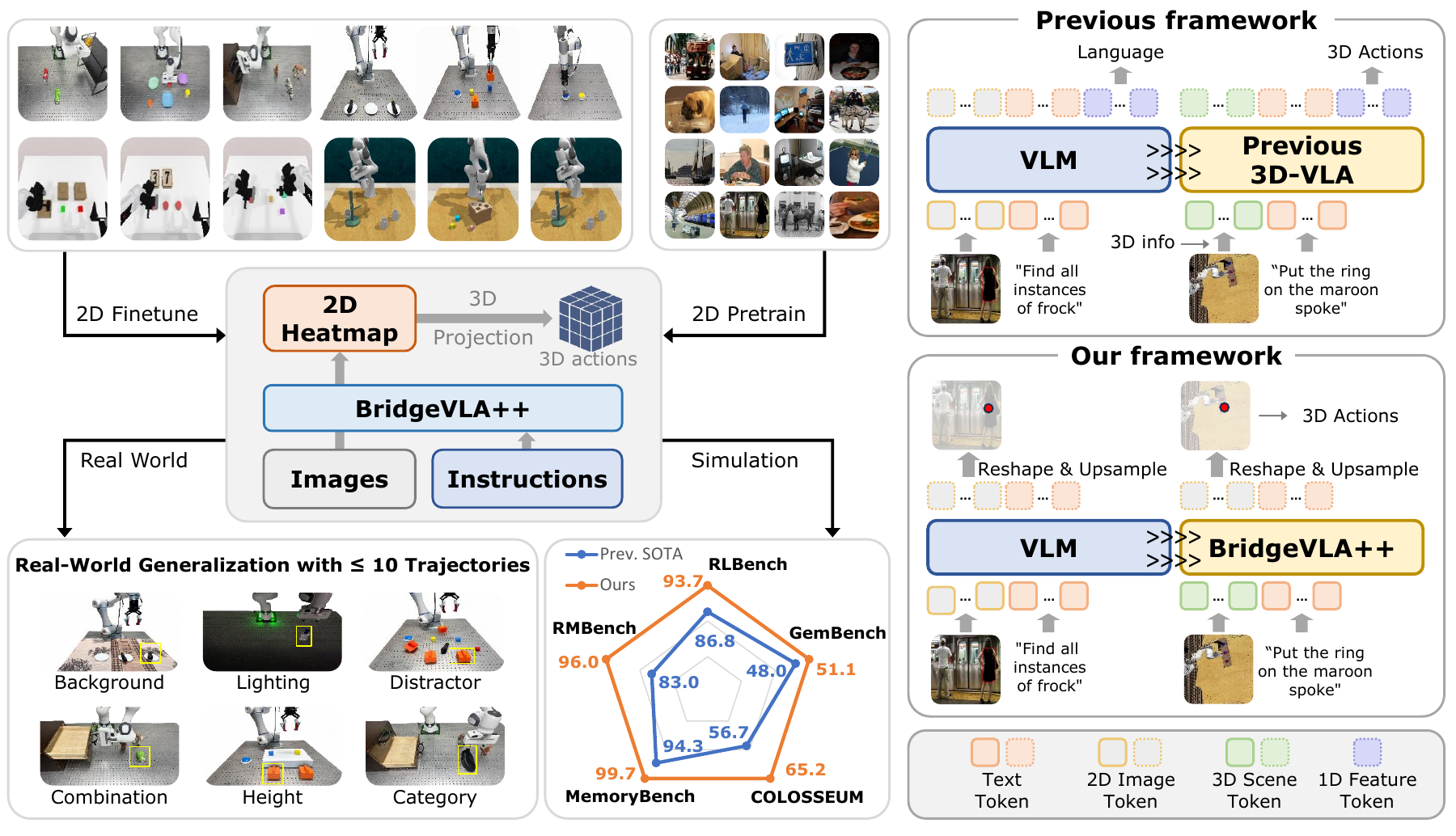
Train BridgeVLA++ — a memory-augmented VLA for 3D manipulation achieving 93.7% on RLBench and 96.0% on RMBench from just 100 demos, SOTA across 5 benchmarks.

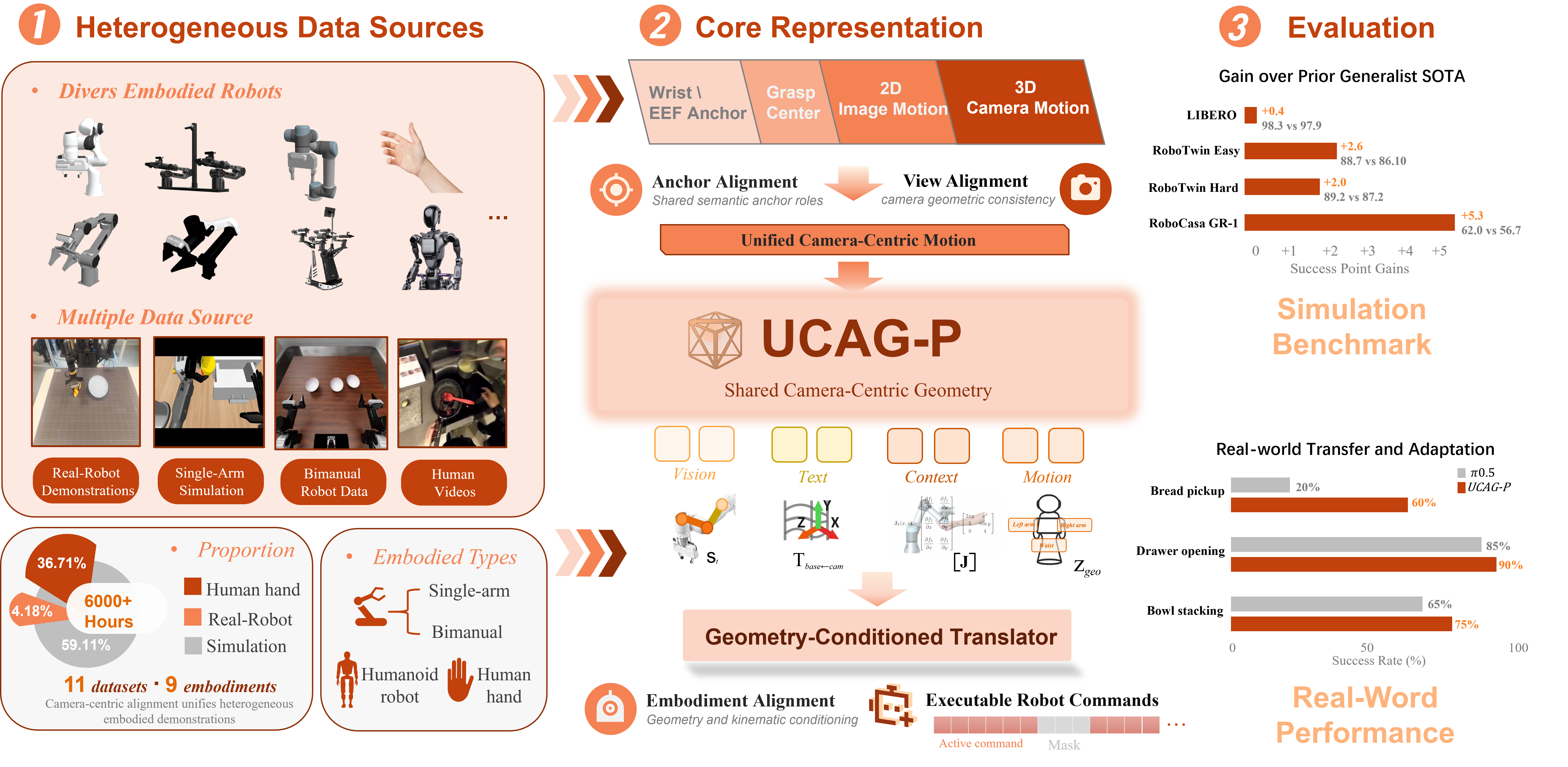
Xiaomi's UCAG-P uses camera-centric action geometry to pre-train a single VLA policy for robot arms, humanoids, and human hands — achieving 98.3% on LIBERO with

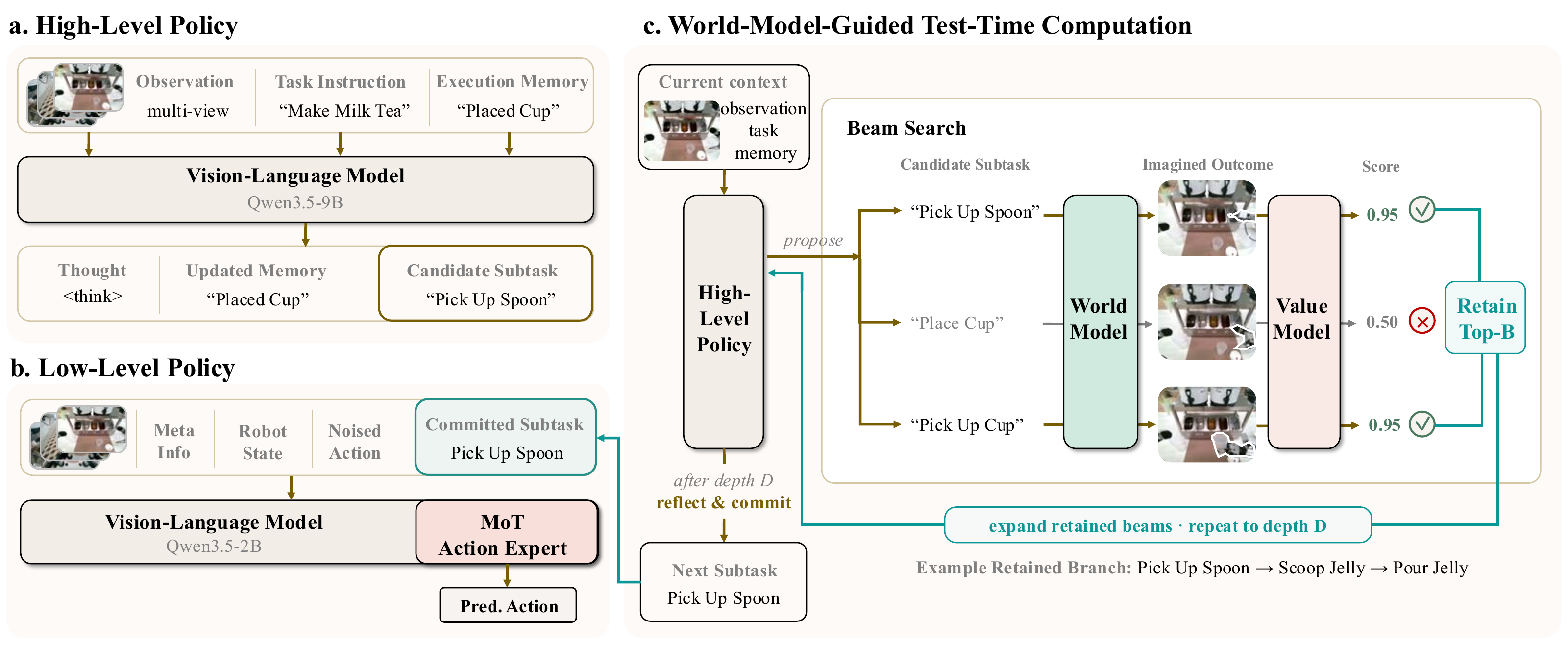
τ₀-VLA is an open-source hierarchical VLA using Qwen3.5 and LeRobot that combines world-model-guided test-time computation with execution memory to solve long-h

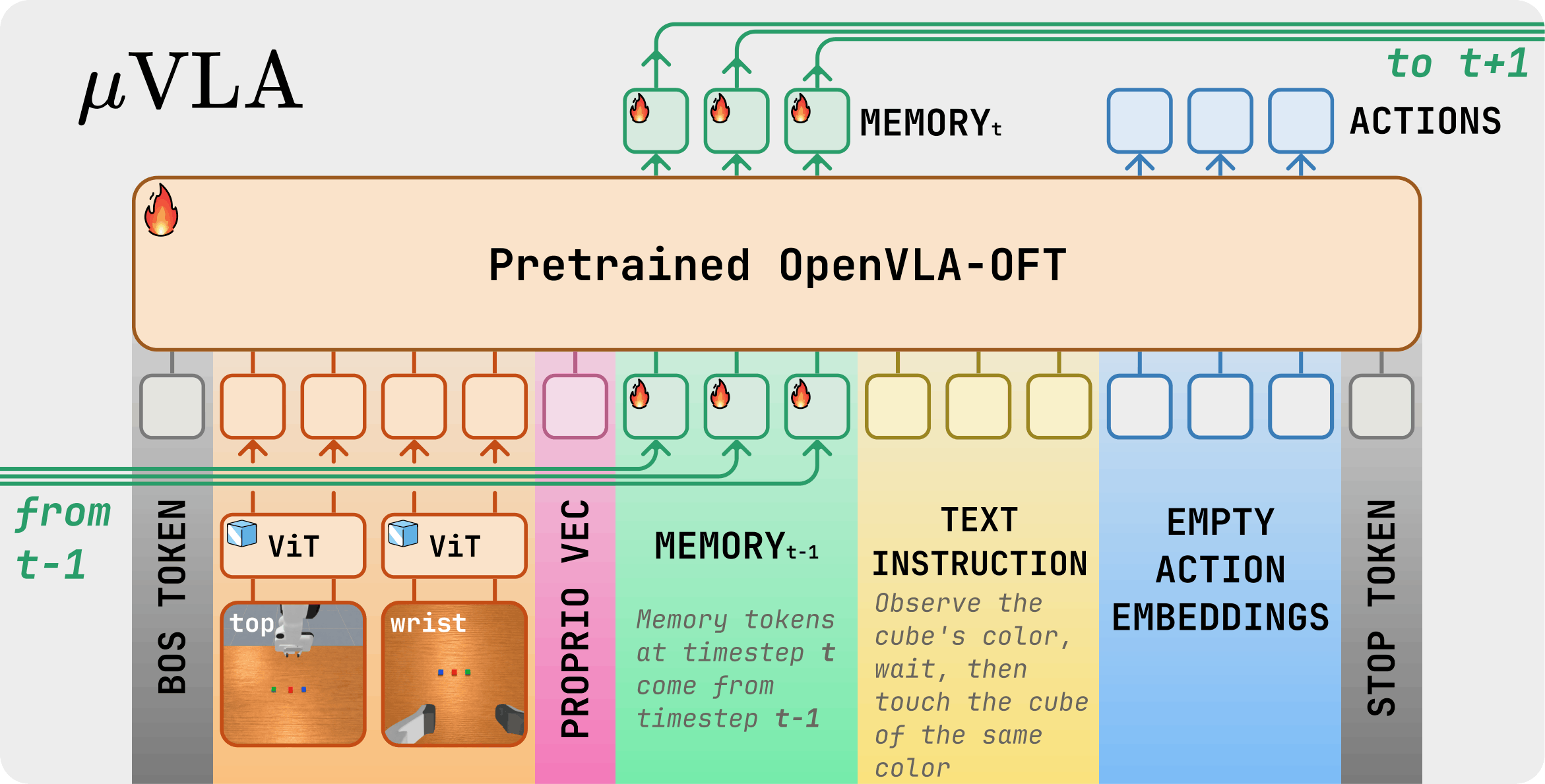
μVLA adds learnable recurrent memory tokens to OpenVLA-OFT to tackle partial observability, doubling manipulation success from 42% to 84% on MIKASA-Robo.

Fine-tune MolmoAct2 (outperforms π0.5 on real-world manipulation) on SO-101 using LoRA and LeRobot v0.6 — runnable on a single 24GB GPU, step-by-step.

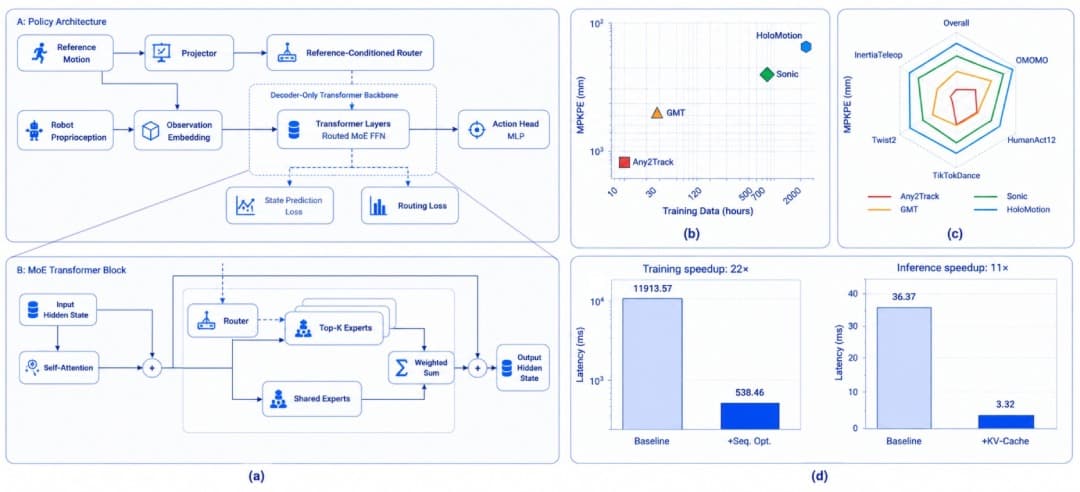
HoloMotion-1 uses a 400M Sparse MoE Transformer for zero-shot whole-body humanoid control on Unitree G1 — trained on in-the-wild video, no real-robot data.

EvoVLA (ECCV 2026): eliminating stage hallucination in VLA manipulation via Stage-Aligned Reward and Gemini hard negatives, reaching 69.2% on Discoverse-L.