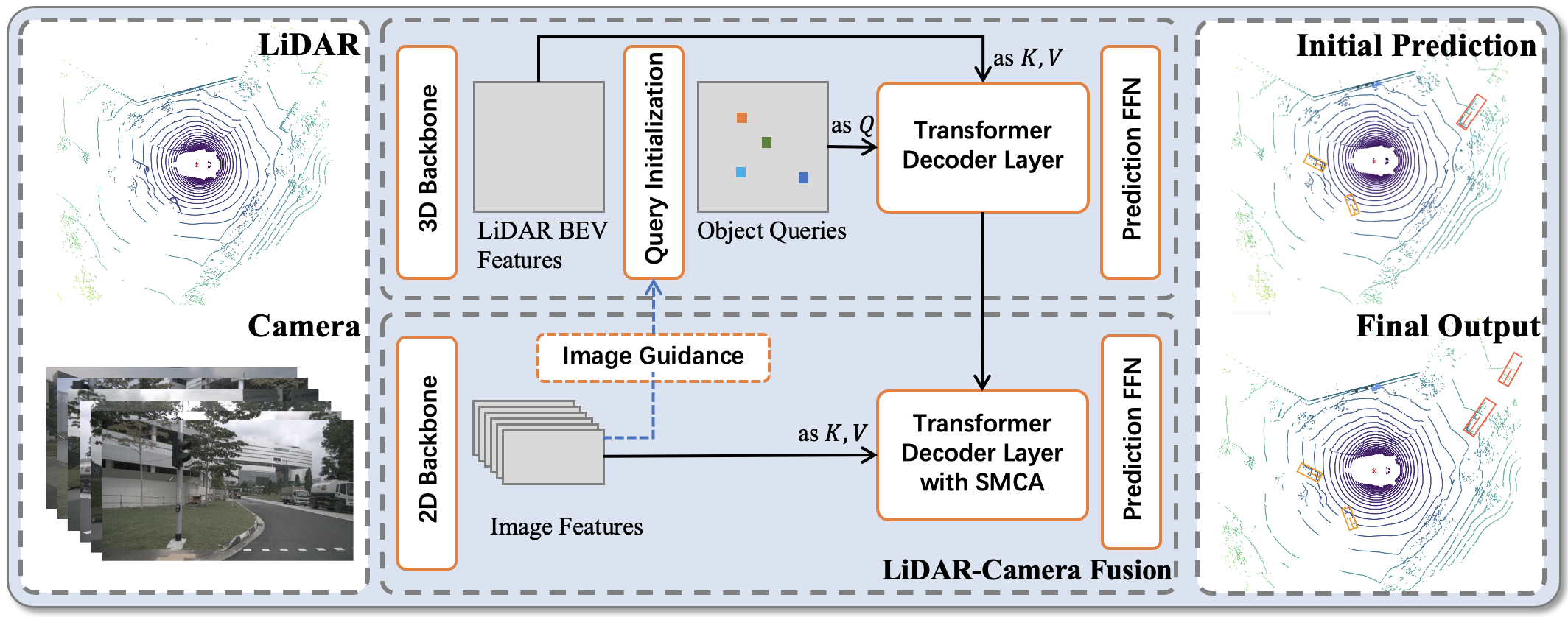
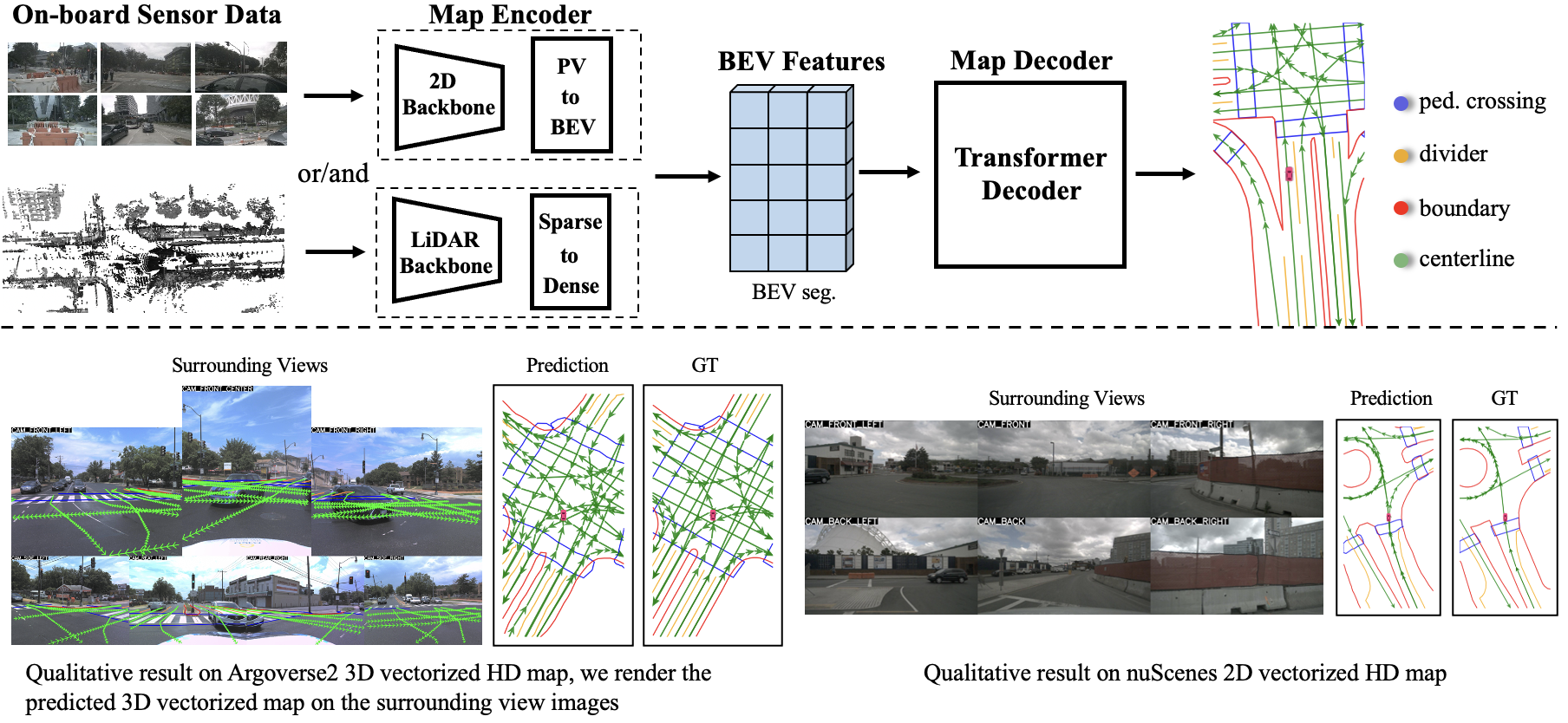
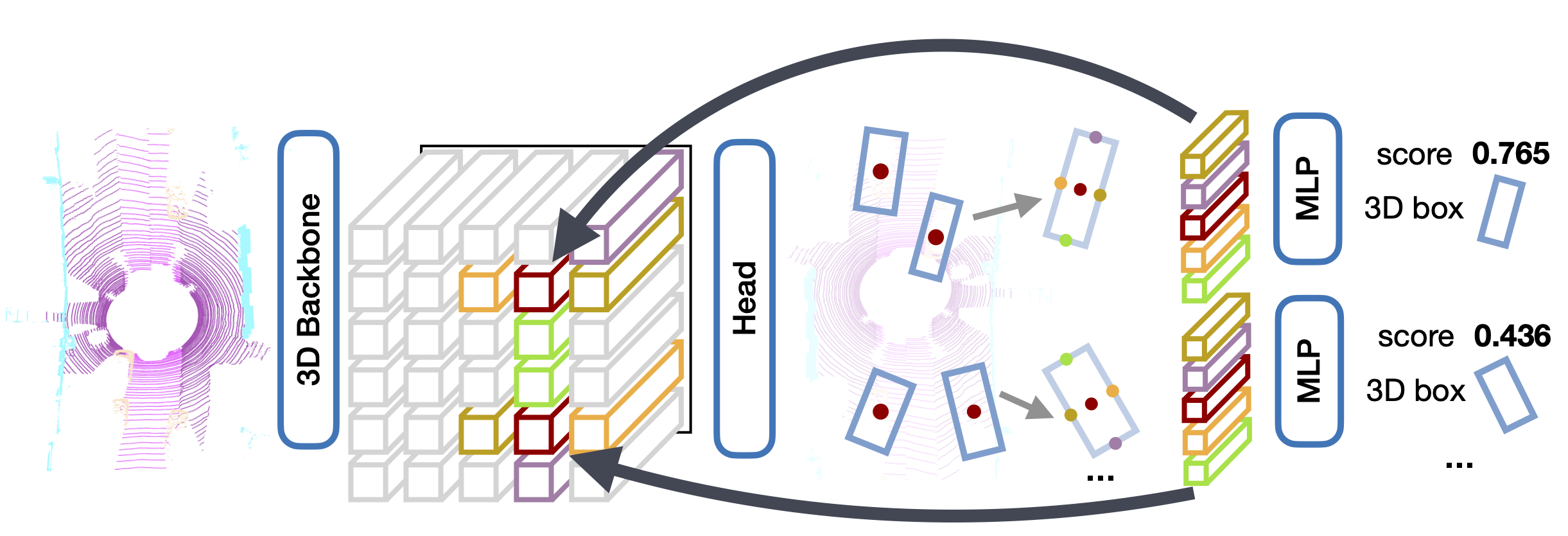
SAE Level 2 vs 2+ vs 3 vs 4: What Actually Changes
A car that steers, follows traffic, changes lanes, and turns at intersections can still be Level 2. A Level 3 car may only operate on particular highways, in one lane, below a defined speed. A Level 4 robotaxi can carry passengers without a driver yet be unavailable a block beyond its service area. The useful question is therefore not “how hands-free is it?” It is: when the drive becomes difficult or the system fails, who is responsible for driving and reaching a safe state?
SAE J3016 is a technical vocabulary from SAE International, not a marketing ladder. It classifies the feature engaged at that moment, rather than permanently rating an entire vehicle. The J3016 recommended practice also makes the crucial split: Levels 0–2 are driver-support features; Levels 3–5 are automated driving system (ADS) features.
Series roadmap
- Part 1 — SAE Level 2 vs 2+ vs 3 vs 4: who is responsible for driving, ODD and fallback.
- Part 2 — Sensor fusion: camera, radar and LiDAR building perception that degrades safely.
- Part 3 — Perception: 3D detection, occupancy grids and tracking on nuScenes.
- Part 4 — Localization and HD maps: GNSS/IMU fusion, NDT on LiDAR, map-free approaches.
- Part 5 — Planning and control: from rule-based to MPC and PDM, tracking a real trajectory.
- Part 6 — Validation: ISO 26262, SOTIF and Euro NCAP — proving safety without driving the miles.
Four questions that cut through “hands-free”
Use these four questions for any feature, regardless of whether it is branded Autopilot, Pilot Assist, Super Cruise, or Full Self-Driving.
| Engineering question | Level 2 / “2+” | Level 3 | Level 4 |
|---|---|---|---|
| Who performs the dynamic driving task (DDT)? | Driver and system share it; the human remains the driver. | ADS performs the complete DDT while in its ODD. | ADS performs the complete DDT within its ODD. |
| Who watches the road and handles an immediate hazard? | The driver, continuously. | The ADS; the person in the driver seat need not continuously supervise while engaged. | The ADS; occupants are passengers, not fallback drivers. |
| What happens at a limit or fault? | The driver must intervene immediately. | The ADS requests takeover, then executes its designed risk-reduction response if needed. | The ADS completes fallback and reaches a minimal-risk condition itself. |
| Is there an ODD constraint? | Often, but it never removes driver responsibility. | Yes, typically explicit and narrow. | Yes, often a city/service area; leaving it is also for the ADS to handle safely. |
DDT is more than steering and pedals. It includes lateral and longitudinal control, object-and-event detection and response (OEDR), and short-horizon planning. An operational design domain (ODD) is the set of conditions for which a feature was designed: geography, road type, weather, lighting, speed, lanes, traffic, and sometimes high-definition map coverage. SAE’s definition expressly includes environmental, geographical, time-of-day, traffic, and roadway constraints in this SAE reference.
Level 2: capable assistance, but the driver is never out of the loop
Level 2 provides sustained lateral and longitudinal support, such as lane centering plus adaptive cruise control. It can look remarkably competent for long stretches. The defining condition remains that the driver must continuously supervise the environment, retain the driving role, and intervene immediately when necessary. SAE puts it plainly: when a Level 2 support feature is engaged, you are still driving, even with your feet off the pedals and hands off the wheel per SAE/AVSC documentation.
That is why an in-cabin camera does not, by itself, make a car Level 3. At L2, a driver-monitoring system (DMS) exists to detect inattention, warn the human, limit misuse, or disengage assistance because the human is still the immediate fallback. Better DMS can be a meaningful safety improvement; it does not transfer OEDR to the car.
Tesla Full Self-Driving (Supervised) is the clearest real-world example. Its name is easy to misread if the final word is omitted, but Tesla’s owner manual requires the driver to pay attention to the road, surroundings, and other road users. The cabin camera monitors attentiveness; repeated looking away can trigger warnings and temporary suspension in Tesla’s official manual. Tesla also requires readiness to take over at all times. By SAE role definition, this is Level 2: advanced assistance, with the human still responsible for safe driving.
“Level 2+”: product language, not an SAE level
J3016 has Levels 0, 1, 2, 3, 4, and 5. It has no Level 2+. Manufacturers use “2+” for L2 products with highway navigation, commanded lane changes, point-to-point assistance, richer maps, or stronger camera DMS. Those additions may matter greatly in practice, but they do not change the four answers above.
Here is a quick test. Can the system encounter roadworks, an emergency vehicle, an ambiguous intersection, or uncertain sensing and require you to drive immediately? If yes—and you must continually watch so you can do it—it remains L2. “2+” is not a legal or engineering bridge across Level 3; it means expanded capability inside the Level 2 responsibility model.
Do not infer the sensor architecture from the label either. A L2+ product can use cameras, radar, maps, and significant compute; another may use LiDAR. SAE mandates no particular sensor suite at any level. The change at L3/L4 is the safety case: within the published ODD, the system must be capable enough, and sufficiently fault-tolerant, to own DDT and fallback.
Level 3: the real boundary is a time-bounded transfer of responsibility
At Level 3, the ADS performs the complete DDT while the engaged feature is within its ODD, including watching the road and responding to immediate events. A driver-seat occupant is still required because the vehicle may issue a takeover request, but that person does not need to continuously scan the road while the ADS operates. That transfer of the monitoring role—not the position of the driver’s hands—is the decisive L2-to-L3 change.
When the ODD is about to end—perhaps the highway ends, conditions cease to qualify, or the system detects a problem—an L3 system must issue a takeover request using the warning and response time it was designed and approved to use. If the driver does not respond, it cannot simply switch off and abandon the vehicle. It needs a minimal-risk maneuver, often controlled deceleration and a stop. L3 nevertheless differs from L4 because its initial fallback concept includes asking a driver to take over: that driver remains part of the operating design.
Mercedes-Benz DRIVE PILOT is a deployed, certified production example rather than a demonstration. Mercedes says it received approval from Germany’s Federal Motor Transport Authority (KBA) for conditional (SAE Level 3) driving. From 2025, under suitable conditions on Germany’s Autobahn network, it may operate up to 95 km/h in the right lane while following a lead vehicle in Mercedes’ approval announcement. That is an ODD—not a promise of autonomy everywhere.
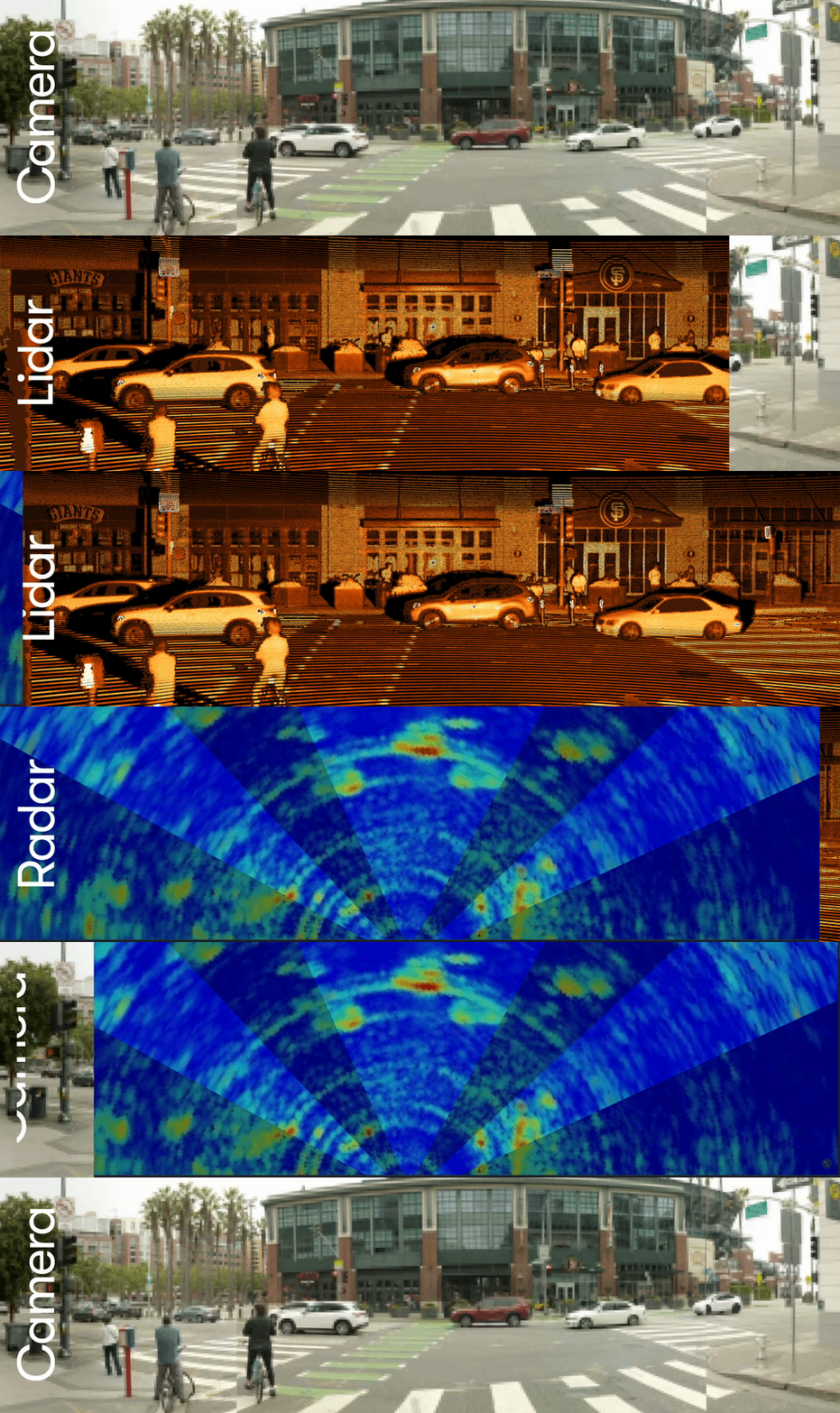
Mercedes describes more than 35 sensors, including cameras, radar, ultrasonics, and LiDAR, with detailed digital maps for positioning. More important than a sensor count is the fault response: electrics, steering, and braking are designed redundantly. If the driver does not resume control after escalating prompts, DRIVE PILOT brakes the vehicle to a controlled standstill and activates hazard lights as Mercedes specifies. This is why L3 is not merely stronger perception AI; it needs a demonstrable vehicle architecture, HMI, and fallback behavior.
Level 4: no assumption that someone in the cabin will rescue the drive
Level 4 is still ODD-limited, contrary to the common “it drives anywhere” interpretation. The difference is that if it leaves the ODD or experiences a DDT-performance-relevant fault, the ADS itself must complete fallback to a minimal-risk condition (MRC). SAE defines MRC as a condition that reduces crash risk after DDT fallback. For Levels 4 and 5, the ADS is capable of achieving it automatically when necessary, including after an ODD exit or relevant system failure in SAE/AVSC guidance.
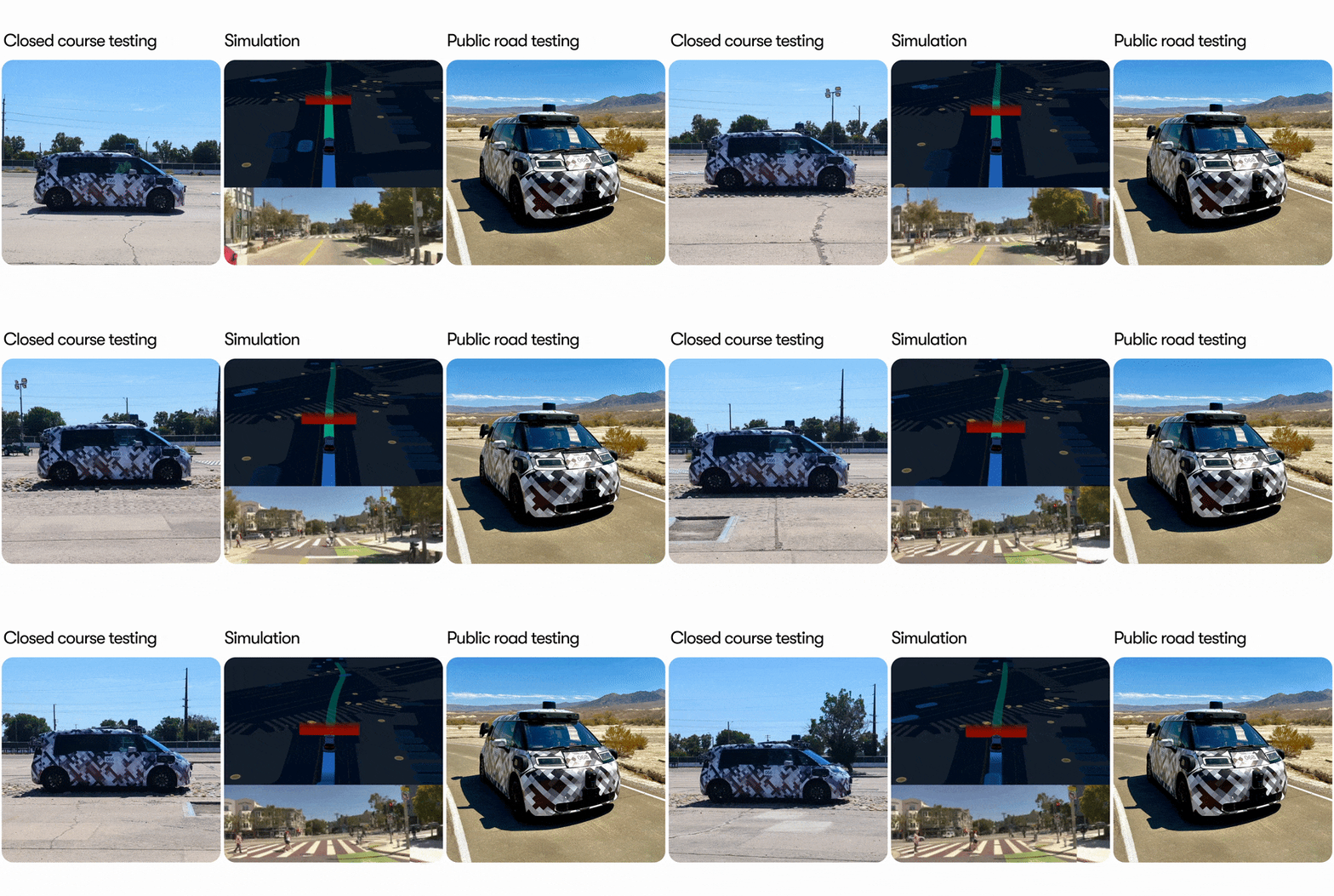
Waymo One demonstrates the operating model on public roads: riders request a trip and ride as passengers rather than reserve drivers. Waymo calls the Waymo Driver a Level 4 system and bases its safety-readiness decisions on risks specific to each ODD in its safety methodology. The service only operates in cities and zones where Waymo has deployed it. That geographic limit does not demote it to L3; it is exactly the bounded context in which the ADS accepts end-to-end responsibility.
To remove the assumption of human rescue, L4 redundancy has to extend beyond sensors. Waymo describes a secondary onboard computer that can bring a vehicle to a safe stop after a primary failure, independent collision-avoidance backups, redundant steering, secondary braking, independent power, and cross-checking inertial-positioning systems on its Waymo Driver technology page. In other words, redundancy is not simply “add LiDAR”: it is an independent survivable path across perception, compute, power, actuation, diagnostics, and controlled stopping.
How to read a claim about a car that is selling or operating today
Strip away the brand name and write down five answers.
- Who is the technical and legal driver when the feature is active? If it is the seated human, the feature is L2—even if it can travel door to door.
- What is the DMS for? At L2 it ensures you keep supervising; at L3 it manages the ability to respond to a takeover request, not a continuous road-watching duty.
- Where is the ODD written down? Look for the owner manual, operating guide, approval material, or operator’s service page. “Everywhere” without measurable conditions is not a credible ODD.
- What if nobody responds? L2 relies on you; L3 requests takeover and has a designed risk-reduction stop; L4 must handle the path to MRC itself within its ODD.
- Which redundancies exist? Ask separately about sensing, compute, power, steering, braking, and fault diagnosis. A second sensor alone does not create a fail-operational vehicle.
This last distinction prevents a bad comparison: L3 may let a person disengage more within a narrow condition, while L4 may not operate outside a service zone at all. An SAE level describes roles while an engaged feature operates in its ODD. It does not measure the total road network the vehicle can cover or the polish of its interface.
Takeaway
Tesla FSD (Supervised) is L2 because the driver must always supervise and be ready to control the vehicle. “L2+” remains L2 until OEDR and fallback responsibility genuinely changes hands. Mercedes DRIVE PILOT is certified L3 in a specific highway ODD, with takeover requests and controlled stopping. Waymo represents the L4 operating model in a service ODD: passengers are not fallbacks, so the ADS and vehicle must manage faults and safe stopping themselves.
Next, we will examine why cameras, radar, and LiDAR are often combined—and why fusion is only one part of a safety case, not an automatic ticket to Level 4.