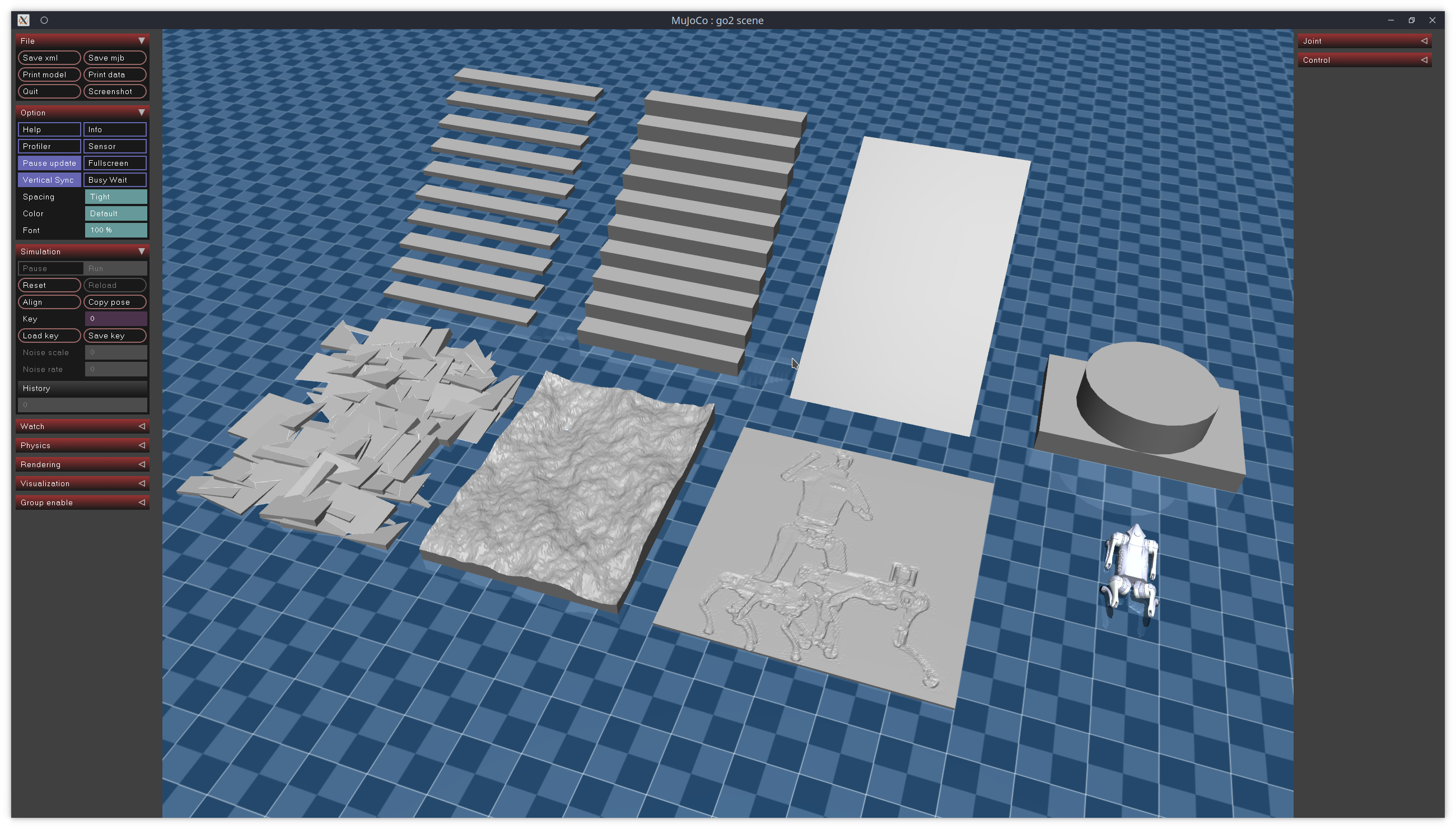
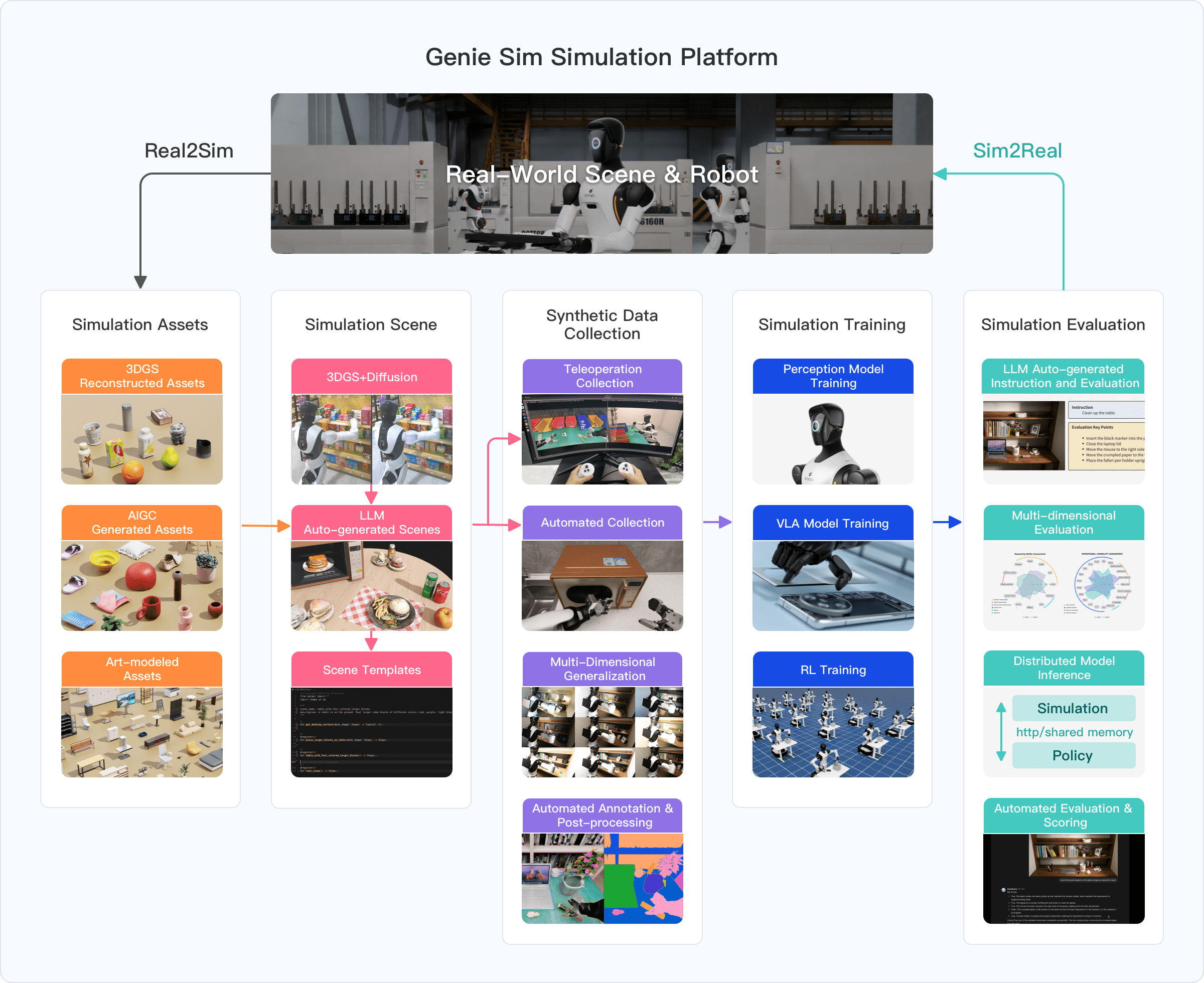
Tại sao cần so sánh chi tiết MuJoCo và Isaac Lab?
Nếu bạn đã đọc bài tổng quan 3 simulator, bạn biết MuJoCo và Isaac Lab là hai lựa chọn hàng đầu cho robot learning. Nhưng khi thực sự bắt tay vào project, câu hỏi cụ thể hơn nhiều: physics engine nào chính xác hơn cho contact-rich manipulation? GPU throughput thực tế ra sao? Ecosystem nào giúp bạn ship nhanh hơn?
Bài viết này đi sâu vào từng khía cạnh với benchmark numbers cụ thể, code examples cả hai platform, và những trade-offs mà documentation chính thức không nói rõ.

MuJoCo 3.x: Những thay đổi lớn
MJX và MuJoCo-Warp -- Hai con đường GPU
MuJoCo 3.x mang đến hai cách chạy simulation trên GPU:
MJX (MuJoCo XLA) -- backend JAX, chạy trên GPU/TPU thông qua XLA compilation. Đây là backend được dùng trong MuJoCo Playground, framework open-source đạt giải Outstanding Demo Paper tại RSS 2025. MJX đạt throughput 2.7 triệu steps/giây trên 8-chip TPU v5 và khoảng 650,000 steps/giây trên Apple M3 Max.
MuJoCo-Warp -- backend NVIDIA Warp, được phát triển bởi Google DeepMind như một phần của Newton Physics Engine. Theo benchmark chính thức, MuJoCo-Warp nhanh hơn MJX đáng kể trên NVIDIA GPUs:
- Locomotion tasks: nhanh hơn MJX 152x trên RTX 4090
- Manipulation tasks: nhanh hơn MJX 313x trên RTX 4090
- Humanoid simulation: tăng tốc 70x so với MJX
# MuJoCo MJX -- JAX backend
import mujoco
from mujoco import mjx
import jax
import jax.numpy as jnp

# Load model
model = mujoco.MjModel.from_xml_path("humanoid.xml")
mjx_model = mjx.put_model(model)

# Batch simulation -- 4096 environments song song
batch_size = 4096
rng = jax.random.PRNGKey(0)
mjx_data = jax.vmap(lambda _: mjx.put_data(model, mujoco.MjData(model)))(
    jnp.arange(batch_size)
)

# Step tất cả environments cùng lúc
@jax.jit
def batch_step(mjx_model, mjx_data):
    return jax.vmap(mjx.step, in_axes=(None, 0))(mjx_model, mjx_data)

mjx_data = batch_step(mjx_model, mjx_data)
print(f"Simulated {batch_size} environments in parallel")
Convex Collision Detection (MuJoCo 3.2+)
Từ version 3.2, MuJoCo chuyển sang native convex collision detection làm default. Điều này cải thiện đáng kể accuracy cho contact-rich tasks:
- Convex-convex contacts được giải bằng optimization-based method thay vì impulse-based
- Signed Distance Field (SDF) collision cho non-convex geometries
- Deformable objects qua flex elements -- hỗ trợ lines, triangles, tetrahedra
Flex Elements -- Soft Body Simulation
MuJoCo 3.x giới thiệu flex elements cho deformable object simulation:
<!-- MuJoCo XML -- Deformable cloth -->
<mujoco>
  <worldbody>
    <body name="cloth">
      <composite type="grid" count="10 10 1" spacing="0.05">
        <skin texcoord="true"/>
        <joint kind="main" damping="0.01"/>
        <geom type="sphere" size="0.01" mass="0.001"/>
      </composite>
    </body>
  </worldbody>
</mujoco>
Isaac Lab 2.x: GPU Parallelism ở quy mô lớn
Kiến trúc mới
Isaac Lab 2.x (trước đây là Orbit + Isaac Gym) chạy trên nền Isaac Sim và Omniverse. Kiến trúc gồm 3 lớp:
- Isaac Sim (Omniverse app) -- rendering, USD scene management
- PhysX 5 -- GPU-accelerated physics engine
- Isaac Lab -- RL training framework, environment wrappers
Tiled Rendering (Isaac Lab 2.2)
Tính năng mới cho phép combine render outputs từ nhiều environments vào single image, tăng tốc rendering 1.2x khi train vision-based policies.
Newton Physics Engine -- Tương lai chung
Newton Physics Engine, được phát triển bởi NVIDIA, Google DeepMind và Disney Research, là physics engine open-source mới (beta từ tháng 9/2025, quản lý bởi Linux Foundation). Newton tích hợp cả MuJoCo-Warp lẫn PhysX, cho phép chuyển đổi physics solver mà không thay đổi training code.
Newton được xây dựng trên NVIDIA Warp và OpenUSD, hỗ trợ differentiable physics -- cho phép tính gradient xuyên suốt simulation.
# Isaac Lab 2.x -- Environment setup
import isaaclab
from isaaclab.envs import ManagerBasedRLEnv

# Config cho locomotion task
env_cfg = {
    "num_envs": 4096,
    "physics_engine": "physx",  # hoặc "newton" cho Newton backend
    "sim": {
        "dt": 0.005,
        "substeps": 2,
        "gpu_found_lost_pairs_capacity": 2**23,
    }
}

env = ManagerBasedRLEnv(cfg=env_cfg)
obs = env.reset()

# Training loop
for i in range(1000):
    actions = policy(obs)
    obs, rewards, dones, infos = env.step(actions)

Benchmark so sánh chi tiết
Physics Accuracy
| Test case | MuJoCo 3.x | Isaac Lab (PhysX 5) | Ghi chú |
|---|---|---|---|
| Contact force accuracy | Convex optimization (rất cao) | Impulse-based + TGS solver | MuJoCo chính xác hơn cho fine manipulation |
| Friction model | Elliptic friction cone | Pyramid approximation | MuJoCo realistic hơn |
| Deformable objects | Flex elements (native) | PhysX 5 FEM | Cả hai đều hỗ trợ |
| Fluid simulation | Không | Particle-based (PhysX 5) | Isaac Lab thắng |
| Joint limit enforcement | Constraint-based (chính xác) | Penalty-based | MuJoCo ổn định hơn |
Throughput -- Parallel Environment
| Metric | MuJoCo MJX (GPU) | MuJoCo-Warp (GPU) | Isaac Lab (PhysX 5) |
|---|---|---|---|
| Humanoid locomotion | ~100K steps/s (A100) | ~7M steps/s (RTX 4090) | ~5M steps/s (RTX 4090) |
| Manipulation (single arm) | ~200K steps/s | ~63M steps/s (RTX 4090) | ~8M steps/s (RTX 4090) |
| Max parallel envs | 4,096 (typical) | 8,192+ | 10,000+ |
| TPU support | Co (JAX native) | Khong | Khong |
| Apple Silicon | Co (Metal via JAX) | Khong | Khong |
Rendering Quality
| Feature | MuJoCo | Isaac Lab |
|---|---|---|
| Engine | OpenGL (basic) | RTX ray-tracing |
| Photorealistic | Khong | Co |
| Synthetic data gen | Khong (can third-party) | Built-in (Replicator) |
| Tiled rendering | Khong | Co (1.2x speedup) |
| Domain randomization (visual) | Manual | Built-in, extensive |
GPU Utilization
Một điểm quan trọng mà ít người đề cập: GPU utilization thực tế.
MuJoCo MJX: Vì chạy qua JAX → XLA compilation, overhead ban đầu cao (JIT compilation mất 30-60 giây). Sau đó GPU utilization ~70-85% cho physics, nhưng không có rendering workload.
MuJoCo-Warp: Chạy native NVIDIA Warp, GPU utilization 90%+ cho physics. Đây là lý do throughput vượt trội so với MJX trên NVIDIA hardware.
Isaac Lab: GPU chia sẻ giữa physics (PhysX) và rendering (RTX). Với physics-only mode, utilization ~85%. Khi bật rendering, tổng utilization cao hơn nhưng physics throughput giảm ~20-30%.
Ecosystem và Developer Experience
MuJoCo
- Documentation: Xuất sắc, chi tiết, có ví dụ rõ ràng
- Community: Lớn (research-focused), active GitHub Issues
- Model zoo: dm_control suite, MuJoCo Playground tasks, Robosuite (Stanford)
- RL frameworks: Tương thích tốt với Gymnasium, Stable-Baselines3, CleanRL, Brax
- Install:
pip install mujoco-- 5 phút là chạy - ROS 2: Community wrapper (mujoco_ros2), không chính thức
Isaac Lab
- Documentation: Tốt nhưng phức tạp (Omniverse layer)
- Community: Đang phát triển nhanh, NVIDIA support trực tiếp
- Model zoo: Built-in environments cho locomotion, manipulation, dexterous hand
- RL frameworks: RSL-RL (native), RL Games, Stable-Baselines3
- Install: ~15GB, cần Omniverse Launcher -- 1-2 giờ setup
- ROS 2: Isaac ROS (chính thức, tốt)
Workflow comparison
MuJoCo workflow:
  pip install mujoco → viết XML model → Python script → train
  Thời gian setup: 10 phút

Isaac Lab workflow:
  Install Omniverse → Install Isaac Sim → Clone IsaacLab
  → ./isaaclab.sh --install → config YAML → train
  Thời gian setup: 2-4 giờ
Khi nào chọn MuJoCo 3.x?
- Research-first: Bạn cần reproduce papers, benchmark algorithms. Hầu hết RL papers dùng MuJoCo.
- Contact-rich manipulation: Grasping, dexterous hand, assembly tasks -- MuJoCo physics chính xác hơn.
- Multi-platform: Cần chạy trên Mac (Apple Silicon), TPU, hoặc cloud không có NVIDIA GPU.
- Lightweight: Prototype nhanh, không muốn Omniverse overhead.
- Deformable objects: Cloth, soft bodies với flex elements.
Khi nào chọn Isaac Lab 2.x?
- Visual sim-to-real: Cần photorealistic rendering cho vision policies (RTX ray-tracing).
- Massive scale training: 10,000+ parallel environments, synthetic data generation.
- Production pipeline: Từ simulation → Isaac ROS → deploy lên robot thật.
- Domain randomization: Built-in visual + physics randomization, không cần code thêm.
- Locomotion tasks: Terrain generation, quadruped/humanoid training tốt hơn.
Case studies thực tế
Google DeepMind -- MuJoCo Playground
Google DeepMind phát triển MuJoCo Playground, framework open-source cho robot learning. Playground chạy hoàn toàn trên GPU thông qua MJX, cho phép train locomotion policy trong vài phút trên single GPU thay vì hàng giờ. Framework đạt giải Outstanding Demo Paper tại RSS 2025.
ETH Zurich RSL -- Isaac Lab cho ANYmal
Robotic Systems Lab (RSL) tại ETH Zurich sử dụng Isaac Lab để train locomotion policies cho robot quadruped ANYmal. Họ chạy 4,096 parallel environments trên RTX A6000, đạt ~90,000 FPS training throughput. Policy được transfer zero-shot sang robot thật, di chuyển trên nhiều loại terrain khác nhau.
Toyota Research Institute -- Kết hợp cả hai
Toyota Research Institute (TRI) sử dụng MuJoCo cho manipulation research (contact accuracy quan trọng khi grasping) và Isaac Lab cho locomotion + visual sim-to-real. Đây là pattern phổ biến ở các lab lớn: không chọn một, mà dùng đúng tool cho đúng task.
Kết hợp cả hai -- Xu hướng 2026
Với Newton Physics Engine, ranh giới giữa MuJoCo và Isaac Lab đang mờ dần. Newton cho phép:
- Dùng MuJoCo-Warp solver trong Isaac Lab environment
- Chuyển đổi solver mà không thay đổi training code
- Differentiable physics cho gradient-based optimization
Workflow lý tưởng:
Prototype (MuJoCo, lightweight)
  → Scale training (Isaac Lab + MuJoCo-Warp/Newton)
    → Visual DR + Synthetic data (Isaac Sim rendering)
      → Deploy (Isaac ROS → Robot thật)
Nhiều research labs hàng đầu như Stanford IRIS, Berkeley BAIR, và CMU Robotics Institute đã áp dụng workflow kết hợp này.
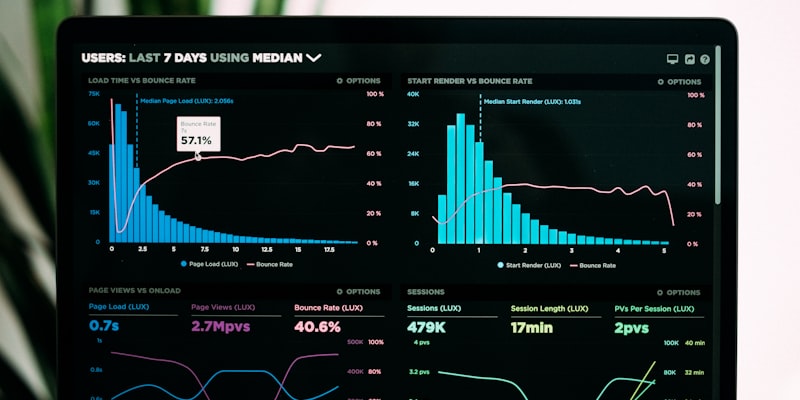
Tổng kết
| Tiêu chí | Người thắng | Lý do |
|---|---|---|
| Physics accuracy | MuJoCo | Convex optimization, friction model |
| GPU throughput (NVIDIA) | MuJoCo-Warp | 152-313x nhanh hơn MJX |
| Rendering | Isaac Lab | RTX ray-tracing, photorealistic |
| Ease of use | MuJoCo | pip install, 10 phút setup |
| Production pipeline | Isaac Lab | Isaac ROS, Omniverse ecosystem |
| Multi-platform | MuJoCo | Mac, TPU, cloud |
| Visual sim-to-real | Isaac Lab | Built-in domain randomization |
| Research adoption | MuJoCo | Standard benchmark, nhiều papers hơn |
Không có simulator "tốt nhất" -- chỉ có simulator phù hợp nhất cho project của bạn. Hiểu rõ trade-offs giúp bạn đưa ra quyết định đúng từ đầu, tiết kiệm hàng tuần refactoring sau này.
Bài viết liên quan
- Simulation cho Robotics: MuJoCo vs Isaac Sim vs Gazebo -- Tổng quan 3 simulator hàng đầu
- Bắt đầu với MuJoCo: Cài đặt đến mô phỏng robot đầu tiên -- Hands-on tutorial MuJoCo
- NVIDIA Isaac Lab: GPU-accelerated RL training từ zero -- Training locomotion policy
- Sim-to-Real Transfer: Train simulation, chạy thực tế -- Domain randomization và best practices
- Domain Randomization: Cầu nối Sim và Real -- Kỹ thuật DR chi tiết