Tại sao Bipedal khó hơn Quadruped?
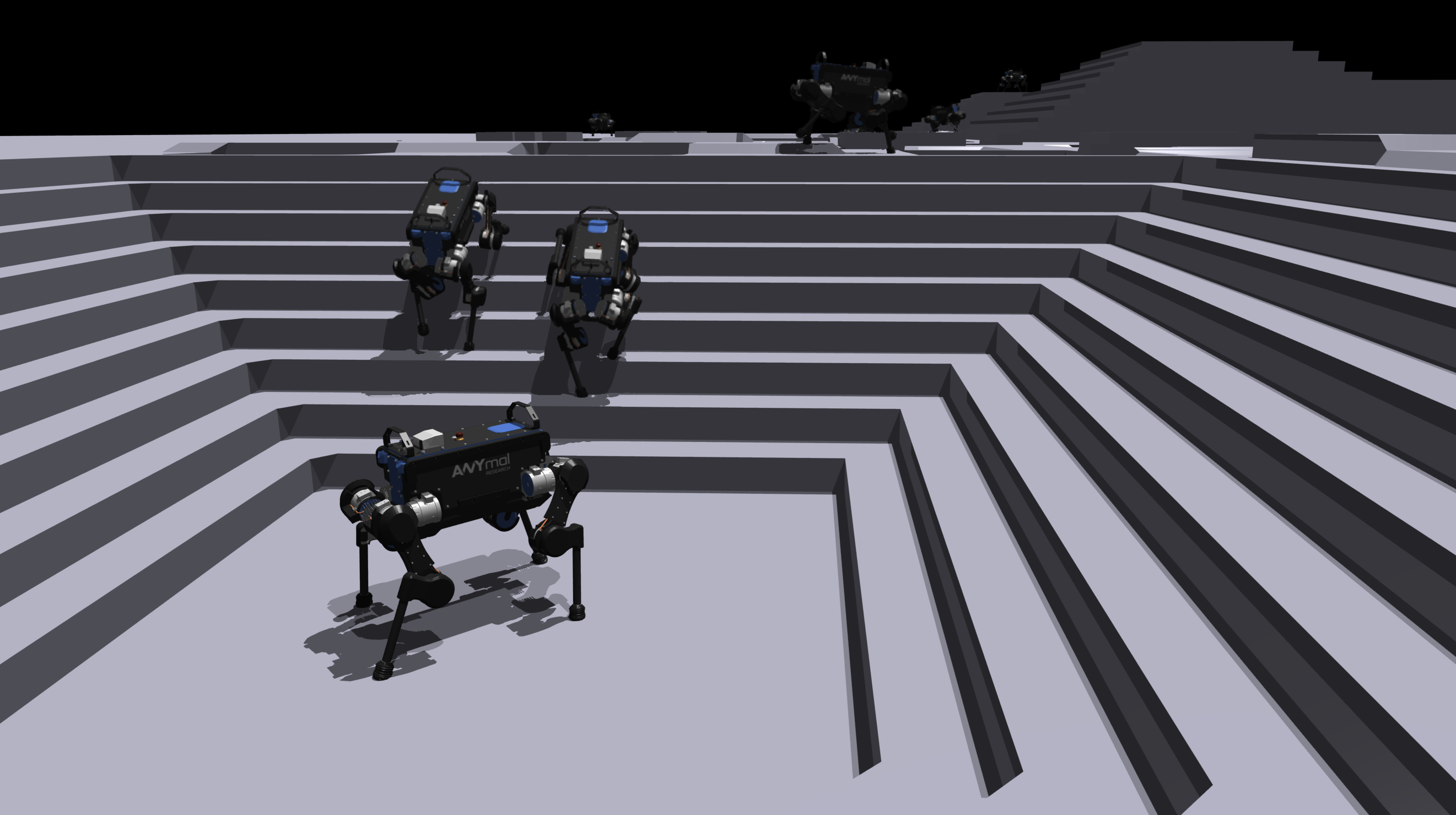
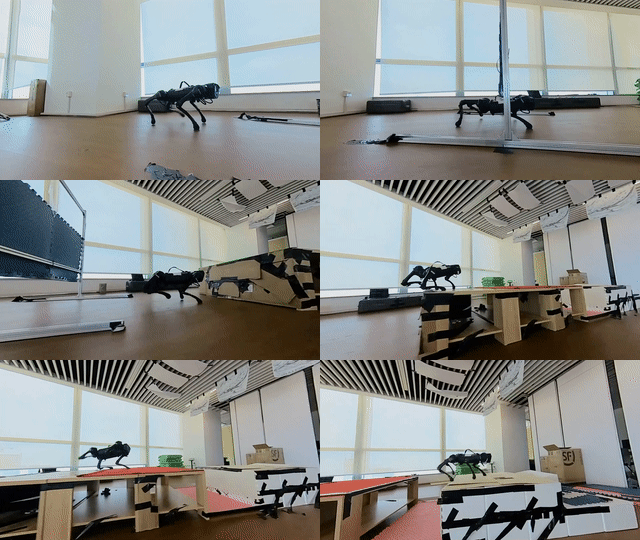
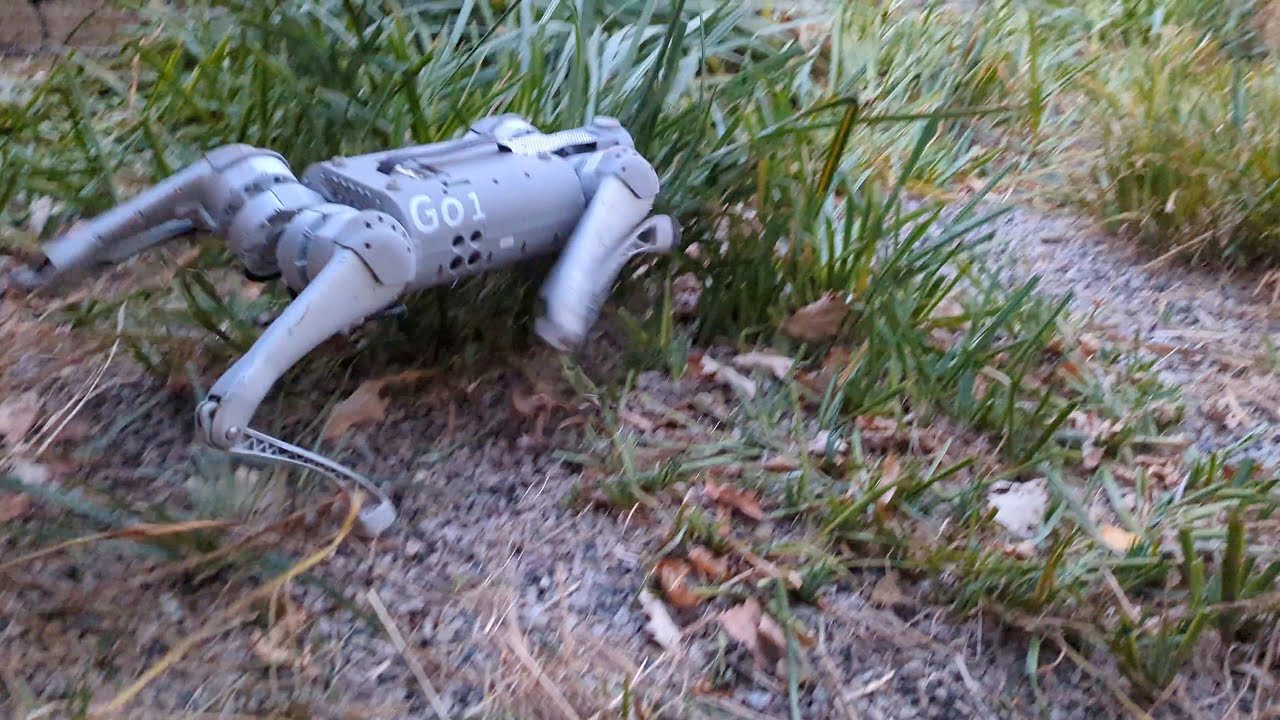
Nếu bạn đã theo dõi series từ Part 1 đến Part 5, bạn thấy rằng quadruped locomotion đã đạt được kết quả ấn tượng -- ANYmal chạy parkour, Unitree A1 leo cầu thang. Nhưng khi chuyển sang robot 2 chân (bipedal), mọi thứ khó hơn gấp bội.
Underactuated Dynamics
Robot quadruped có 4 điểm tiếp xúc mặt đất, tạo thành support polygon rộng. Trọng tâm (Center of Mass - CoM) dễ dàng nằm trong polygon này, nên robot ổn định tĩnh.
Robot bipedal chỉ có 2 chân, và trong phase swing (một chân nhấc lên), chỉ còn 1 điểm tiếp xúc. Support polygon thu nhỏ thành diện tích bàn chân. Đây là hệ underactuated -- robot không có đủ actuators để trực tiếp control tất cả degrees of freedom, phải dựa vào dynamic balance (giống con người đi bộ -- thực chất là "ngã có kiểm soát").
Các thách thức cụ thể
| Thách thức | Quadruped | Bipedal |
|---|---|---|
| Support polygon | Rộng (4 chân) | Hẹp (1-2 chân) |
| Static stability | Dễ (3 chân trên đất) | Không có (phải dynamic) |
| Fall risk | Thấp | Rất cao |
| DoF cần control | 12 (3/chân) | 10-30+ (hips, knees, ankles, torso) |
| Impact forces | Phân tán 4 chân | Tập trung 2 chân |
| Recovery khi ngã | Dễ (crawl position) | Khó (phải đứng dậy từ nằm) |
Chính vì những thách thức này, bipedal locomotion bằng RL là lĩnh vực phát triển chậm hơn so với quadruped, nhưng đang tăng tốc mạnh mẽ nhờ compute power và simulation tools tốt hơn.

Các nền tảng Bipedal chính
Cassie (Agility Robotics)
Cassie là nền tảng bipedal research phổ biến nhất, được phát triển bởi Agility Robotics (spin-off từ Oregon State University). Robot này có thiết kế đặc biệt:
- Compliant leg design: Chân có spring ở knee, giúp absorb impact và store energy
- Underactuated ankle: Không có ankle actuator -- buộc policy phải balance bằng hip và knee
- 10 DoF: 5 joints mỗi chân (2 hip, 1 knee, 2 ankle -- nhưng ankle passive)
- Cân nặng: ~32 kg
- Nổi tiếng: Chạy 100m trong 24.73 giây (Guinness World Record cho bipedal robot, 2022)
Cassie là testbed cho rất nhiều RL research papers vì: (a) available cho các lab mua, (b) đủ phức tạp để test advanced control, (c) sim-to-real gap được study kỹ.
Digit (Agility Robotics)
Digit là thế hệ kế tiếp của Cassie, thêm torso, arms, và head:
- Full humanoid form: Torso + 2 arms + 2 legs
- 30 DoF: Nhiều hơn Cassie đáng kể
- Mục đích: Warehouse logistics (Agility hợp tác với Amazon)
- Manipulation + Locomotion: Có thể vừa đi vừa mang hàng
- Cân nặng: ~65 kg
Unitree H1 / G1
Unitree H1 là humanoid robot "giá rẻ" từ Unitree Robotics (Trung Quốc):
- 19 DoF, 1.8m tall, ~47 kg
- Giá: ~$90,000 (rẻ hơn nhiều so với Atlas hay Digit)
- Tốc độ: Đạt 3.3 m/s walking speed (record cho humanoid)
- Open-source friendly: Hỗ trợ Isaac Gym, MuJoCo
Unitree G1 là phiên bản nhỏ hơn, 1.27m, 35 kg, ~$16,000 -- accessible cho labs nhỏ.
Atlas (Boston Dynamics)
Atlas là humanoid nổi tiếng nhất thế giới từ Boston Dynamics:
- Hydraulic → Electric: Phiên bản mới (2024) chuyển sang fully electric
- 28 DoF, extreme agility (backflip, dance, parkour)
- Không bán: Chỉ dùng internal research
- State-of-the-art hardware nhưng control chủ yếu dùng model-based (MPC), đang chuyển dần sang RL
Tesla Optimus
Tesla Optimus (Gen 2) là nỗ lực humanoid từ Tesla:
- 28 DoF, 1.73m, ~57 kg
- Tesla-designed actuators: 14 rotary + 14 linear
- Mục đích: Factory automation, general-purpose
- RL training: Dùng massive compute infrastructure của Tesla
Bảng so sánh tổng hợp
| Platform | DoF | Weight | Height | Max Speed | Actuator | Price | RL Research |
|---|---|---|---|---|---|---|---|
| Cassie | 10 | 32 kg | 1.1m | 4.0 m/s | Electric | ~$150K | Rất nhiều |
| Digit | 30 | 65 kg | 1.75m | 1.5 m/s | Electric | ~$250K | Nhiều |
| Unitree H1 | 19 | 47 kg | 1.8m | 3.3 m/s | Electric | ~$90K | Đang tăng |
| Unitree G1 | 23 | 35 kg | 1.27m | 2.0 m/s | Electric | ~$16K | Mới |
| Atlas (new) | 28 | ~89 kg | 1.5m | 2.5 m/s | Electric | N/A | Internal |
| Tesla Optimus | 28 | 57 kg | 1.73m | 1.3 m/s | Electric | N/A | Internal |
RL cho Bipedal: Reward Design
Reward design cho bipedal locomotion phức tạp hơn quadruped. Ngoài các reward cơ bản (forward velocity, energy efficiency), cần thêm nhiều thành phần cho balance và naturalness.
Core Reward Components
# Reward function cho bipedal walking
reward = (
    # Forward progress
    w_vel * forward_velocity_tracking
    # Balance (quan trọng nhất cho bipedal)
    + w_balance * upright_reward          # Torso vertical
    + w_com * com_over_support_foot       # CoM trên chân trụ
    # Gait quality
    + w_gait * periodic_gait_reward       # Nhịp đi đều đặn
    + w_sym * symmetry_reward             # Hai chân đối xứng
    + w_natural * joint_angle_penalty     # Tránh pose bất thường
    # Energy
    - w_energy * torque_squared           # Tiết kiệm năng lượng
    - w_jerk * action_jerk_penalty        # Smooth control
    # Safety
    - w_contact * body_contact_penalty    # Không chạm đất bằng thân
    - w_fall * fall_penalty               # Không ngã
)
Balance Reward chi tiết
Balance là yếu tố sống còn. Các cách phổ biến:
1. Upright torso reward: Giữ torso orientation gần vertical
upright = cos(torso_pitch) * cos(torso_roll)
reward_upright = max(0, upright)  # 1.0 khi đứng thẳng
2. CoM projection reward: Trọng tâm chiếu xuống nằm trong support polygon
com_xy = get_com_projection()
support = get_support_polygon()
reward_com = is_inside(com_xy, support)
3. Angular momentum regulation: Hạn chế angular momentum quá lớn (tránh spinning out)
reward_angmom = -||angular_momentum||^2
Periodic Gait Reward
Để bipedal robot đi tự nhiên (không shuffle), dùng periodic reward:
# Phase variable: 0 → 2pi cho mỗi gait cycle
phase = (time % gait_period) / gait_period * 2 * pi

# Desired foot contact pattern
left_contact_desired = sin(phase) > 0      # Left foot stance
right_contact_desired = sin(phase + pi) > 0 # Right foot stance (opposite)

# Reward matching desired contact pattern
reward_gait = (
    match(left_foot_contact, left_contact_desired)
    + match(right_foot_contact, right_contact_desired)
)
Cách này tạo ra alternating gait tự nhiên thay vì để RL tìm ra bất kỳ gait nào (có thể là shuffling hoặc hopping).
Fall Recovery Policy
Một vấn đề quan trọng cho bipedal: robot sẽ ngã. Câu hỏi là làm sao đứng dậy?
Separate Recovery Policy
Approach phổ biến: train 2 policies riêng biệt:
- Walking policy: Điều khiển đi bộ bình thường
- Recovery policy: Đứng dậy từ nằm sấp/ngửa
State machine chuyển đổi:
Walking → [phát hiện ngã] → Recovery → [đứng thẳng] → Walking
Fall detection dựa trên torso orientation: nếu |pitch| > 60° hoặc |roll| > 60°, kích hoạt recovery.
Push Recovery
Thay vì chờ ngã rồi đứng dậy, push recovery giúp robot resist perturbation:
- Train với random external forces (push) trong simulation
- Robot học stepping strategy: bước thêm một bước về hướng bị đẩy để recover
- Giống phản xạ của con người khi bị xô -- tự động bước chân ra để giữ thăng bằng
Berkeley Humanoid (arXiv:2407.21781)
Paper Berkeley Humanoid: A Research Platform for Learning-based Control giới thiệu platform humanoid mới từ UC Berkeley, thiết kế riêng cho RL research.
Design Principles
- 16 kg lightweight: Nhẹ hơn nhiều so với Digit (65kg) hay Atlas (89kg)
- Quasi-Direct-Drive (QDD) actuators: Giảm gearing ratio, giúp sim-to-real gap nhỏ hơn vì actuator dynamics đơn giản hơn
- Low cost: In-house manufactured, affordable cho university labs
RL Results
- Omnidirectional walking: Forward, backward, lateral, turning
- Dynamic hopping: Single-leg và double-leg hops
- Outdoor terrain: Steep unpaved trails, hundreds of meters traversal
- Simple RL controller: PPO với light domain randomization (không cần heavy randomization nhờ QDD actuators có sim-to-real gap nhỏ)
Điểm đáng chú ý: Berkeley Humanoid chứng minh rằng hardware design tốt có thể giảm đáng kể complexity của RL training. QDD actuators cho response gần linear, dễ simulate chính xác, nên không cần actuator network hay heavy domain randomization.

Humanoid-Gym (arXiv:2404.05695)
Humanoid-Gym là open-source RL framework cho humanoid locomotion, xây trên NVIDIA Isaac Gym. Đây là công cụ practical nhất hiện nay để bắt đầu với bipedal RL.
Features chính
- Isaac Gym backend: Massive parallel training (4096+ environments)
- Sim-to-sim verification: Train trong Isaac Gym, verify trong MuJoCo trước khi deploy
- Pre-configured robots: Hỗ trợ RobotEra XBot-S (1.2m), XBot-L (1.65m), và có thể thêm custom robots
- Zero-shot sim-to-real: Verified trên real XBot-S và XBot-L
Training Pipeline
1. Define robot URDF/MJCF
2. Configure reward weights (balance, velocity, energy...)
3. Train PPO in Isaac Gym (4096 parallel envs)
4. Verify in MuJoCo (sim-to-sim check)
5. Deploy to real robot (zero-shot)
Terrain Curriculum trong Humanoid-Gym
Humanoid-Gym hỗ trợ diverse terrains:
- Flat ground (baseline)
- Rough terrain (random height perturbations)
- Slopes (up to 15 degrees)
- Stairs (ascending + descending)
- Discrete stepping stones
Dynamics randomization bao gồm:
- Mass randomization: +/- 15%
- Friction: 0.5 - 2.0
- Motor strength: +/- 10%
- Push perturbation: random forces up to 50N
Kết quả
RobotEra XBot-L (1.65m humanoid) đạt:
- Stable walking trên flat ground và rough terrain
- Stair climbing (ascending)
- Push recovery (50N lateral forces)
- Zero-shot transfer từ Isaac Gym sang real robot
RL cho Bipedal: State of the Art
Cassie RL Milestones
Research trên Cassie đã đạt được nhiều milestones quan trọng:
1. Robust Parameterized Locomotion (arXiv:2103.14295):
- Train walking policy với variable speed, height, turning
- Domain randomization cho sim-to-real
- Đầu tiên demo robust sim-to-real bipedal walking bằng RL
2. All Common Bipedal Gaits (arXiv:2011.01387):
- Single policy cho standing, walking, hopping, running, skipping
- Periodic reward composition -- design reward function cho từng gait dựa trên phase variable
- Chuyển đổi smooth giữa các gaits
3. Versatile Dynamic Locomotion (arXiv:2401.16889):
- General solution cho diverse bipedal skills
- Walking, running, jumping, standing trong cùng một framework
- LSTM-based policy cho temporal reasoning
Xu hướng 2024-2026
- Whole-body control: Kết hợp locomotion + manipulation (Digit mang hàng, Optimus lắp ráp)
- Vision-based bipedal: Thêm camera cho terrain-aware walking (như quadruped parkour)
- Foundation policies: Pre-train general locomotion policy, fine-tune cho specific tasks
- Faster sim-to-real: QDD actuators + better simulation giảm gap
Practical Guide: Bắt đầu với Bipedal RL
Nếu bạn muốn thử bipedal RL:
Hardware accessible
- Unitree G1 (~$16K): Giá tốt nhất cho full humanoid
- Simulation only: Dùng Humanoid-Gym với MuJoCo humanoid models (miễn phí)
Software stack
- Humanoid-Gym (recommended): Isaac Gym + PPO, pre-configured cho humanoid
- legged_gym (ETH Zurich): Flexible hơn, hỗ trợ cả quadruped và bipedal
- MuJoCo + Stable-Baselines3: Lightweight, dễ customize
Tips cho beginners
- Bắt đầu với standing balance trước khi walking
- Periodic gait reward quan trọng -- không có nó, robot sẽ shuffle
- Curriculum: Flat → rough → slopes → stairs
- Symmetry reward giúp gait tự nhiên hơn
- Sim-to-sim (Isaac Gym → MuJoCo) trước khi sim-to-real
Kết luận
Bipedal locomotion bằng RL đang ở giai đoạn bùng nổ. Từ Cassie (chạy 100m record) đến Berkeley Humanoid (QDD simplicity) đến Humanoid-Gym (open-source tools), cộng đồng đang nhanh chóng thu hẹp khoảng cách với quadruped locomotion. Hardware giá rẻ hơn (Unitree G1/H1) và simulation tools tốt hơn (Isaac Gym, MuJoCo) đang democratize lĩnh vực này.
Đọc thêm các phần trước trong series:
- Part 1: Locomotion là gì?
- Part 2: Sim-to-Real cơ bản
- Part 3: Reward Design cho Locomotion
- Part 4: Terrain Curriculum
- Part 5: Robot Parkour
Bài tiếp theo -- Part 7: Sim-to-Real cho Locomotion -- sẽ đi sâu vào cách chuyển policy từ simulation sang robot thật, với actuator network và best practices.
Bài viết liên quan
- Sim-to-Real cho Locomotion: Thực tế và kinh nghiệm -- Actuator network, domain randomization, deployment
- Robot Parkour: Nhảy, leo cầu thang bằng RL -- Extreme Parkour và SoloParkour
- Humanoid Robotics: Hướng dẫn toàn diện -- Tổng quan humanoid robotics
- RL cho Bipedal Walking -- Reinforcement learning cơ bản cho bipedal
- Foundation Models cho Robot: RT-2, Octo, OpenVLA -- Kết hợp locomotion với foundation models